Warehouse cleaning is a critical part of industrial operations. According to Safe Work Australia’s 2024 report, slips, trips, and falls remain the second leading cause of workplace injuries, accounting for over 23% of serious claims in the transport, postal, and warehousing industry.
This highlights why cleaning is a legal necessity under the Work Health and Safety (WHS) Act 2011. Large facilities accumulate contaminants quickly due to constant vehicle movement, packaging waste, and high storage structures, making structured cleaning essential for safety and efficiency.
According to the International Facility Management Association (IFMA) clean warehouses experience lower equipment failure rates, reduced product damage, and improved air quality.
Effective cleaning systems also support WHS and OHS compliance, which has become increasingly important as regulators place greater emphasis on workplace hygiene, dust control, and hazard prevention in industrial environments.
This article explains what warehouse cleaning means, its core components, why it matters for daily operations, and how businesses can maintain a clean facility year-round.
What is Warehouse Cleaning?
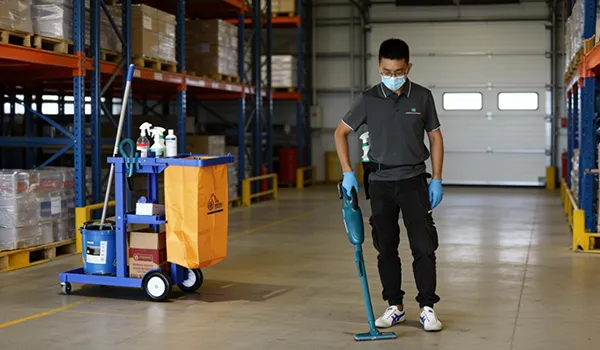
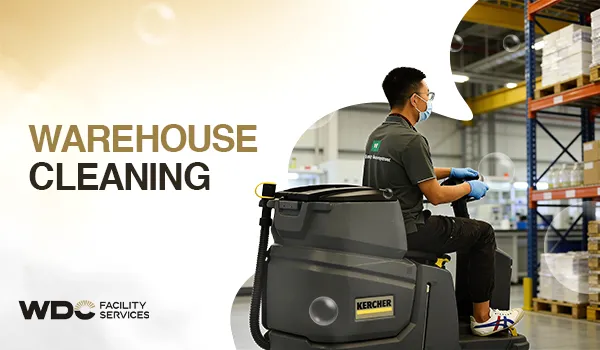
Warehouse cleaning means keeping an industrial facility clean, organised, and free from hazards so employees can work safely and inventory stays protected. It includes routine cleaning, deep cleaning, disinfection, spill control, and waste management planned on a regular schedule to prevent downtime and contamination.
A warehouse is a busy environment with forklifts, pallets, dust-heavy surfaces, and constant movement. These conditions allow dirt, spills, and debris to build up fast.
Research from workplace safety bodies shows that poor housekeeping contributes to a significant share of industrial accidents. When a warehouse stays clean, the risk of slips, trips, chemical exposure, and airborne dust drops noticeably.
Clean walkways, organised racks, and well-maintained equipment also help teams work faster and reduce delays in daily operations.
Core Components of a Complete Warehouse Cleaning Program
A complete warehouse cleaning program includes daily cleaning, scheduled deep cleaning, and preventive tasks that keep the facility safe and operational.
Each part of the warehouse collects dirt differently, so every zone requires a specific method. The sections below explain what a proper cleaning program should cover and why each area matters for safety, hygiene, and efficiency.
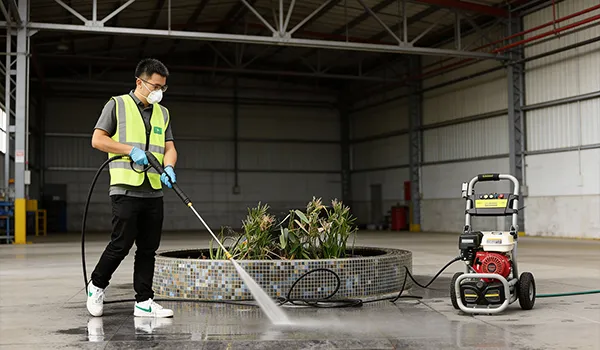
1. Floor Cleaning, Degreasing, and Hazard Spill Control
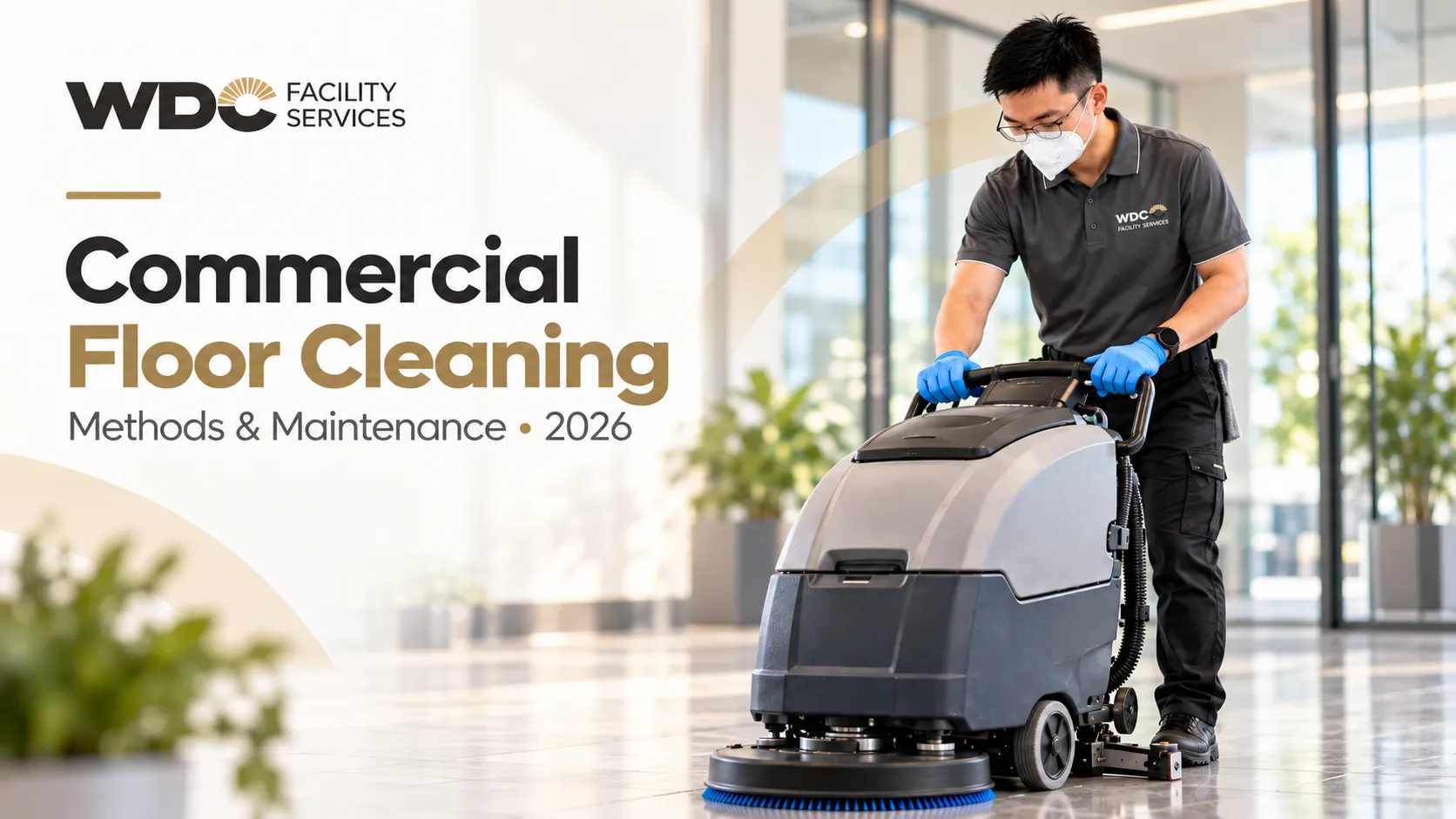
Floor cleaning in a warehouse means removing dust, oil, dirt, and debris from the ground so workers, forklifts, and vehicles can move safely. Clean floors reduce slipping risks and help equipment last longer.
In Australia, floor safety is governed by the AS/NZS 4586:2013 standard, which classifies the slip resistance of surfaces. Regular degreasing is required to maintain the Coefficient of Friction (COF), ensuring that forklift tires maintain grip and pedestrian walkways remain safe even when damp.
Warehouse floors pick up oil drips, forklift tire marks, chemical residues, and loose materials throughout the day. Sweeping alone cannot remove these layers, which is why warehouses use scrubbers, degreasers, and industrial vacuums.
Safety reports from OSHA show that slips and falls remain one of the most common warehouse injuries. When spills happen, teams must act quickly using spill kits, absorbent pads, or barriers to stop the spread. Fast response protects employees and prevents contaminants from reaching stored goods.
2. High-Level Cleaning (Rafters, Beams, Ducts, Vents)
High-level cleaning focuses on overhead areas such as beams, vents, ducts, rafters, and light fixtures. These sections trap dust that eventually drops onto products, machinery, or workstations if not cleaned regularly.
High-level cleaning also mitigates the risk of Combustible Dust explosions. Under NFPA 652 and local Australian fire safety guidelines, accumulated dust on rafters can act as fuel.
Professional commercial cleaning ensures that Particulate Matter (PM10) is removed using HEPA-filtered extraction rather than being redistributed into the air.
Dust buildup at height can also increase fire risk in industrial settings. Safety audits show that even a thin dust layer can become combustible in certain environments.
Regular high-level cleaning improves air quality, reduces hazards, and keeps the warehouse safe for daily work. Because these areas are hard to reach, specialised tools and trained technicians are often needed.
3. Racking, Mezzanine, and Storage Area Cleaning
Racking and mezzanine cleaning ensure that the shelves and storage structures stay free from dust, debris, and packaging materials. Clean racks make stock easier to identify and prevent contamination.
When racks are not cleaned, warehouses often face damaged boxes, incorrect picks, and hidden pest problems. Dust also covers labels, slowing down workers and increasing the chance of mistakes. Keeping these areas clean supports smoother inventory movement and helps protect stored products from unnecessary damage.
4. Loading Docks, Entry Zones, and Traffic Areas
Cleaning loading docks and entry points keeps dirt, mud, and contaminants from entering the warehouse. These areas experience constant movement from trucks, pallets, and workers, so they become dirty very quickly.
Data from Safe Work Australia and global safety bodies like NIOSH confirms that nearly one-quarter (25%) of all warehouse injuries occur on loading docks.
This is often due to ‘trailer creep’ or slips on oil-slicked concrete, making high-traction cleaning and immediate spill response a critical safety priority.
5. Staff Facilities (Bathrooms, Break Rooms, Lockers)
Staff facility cleaning involves maintaining bathrooms, break rooms, and locker areas in a hygienic condition so employees stay healthy. These spaces support worker well-being and play a major role in overall workplace satisfaction.
Clean facilities reduce the spread of illness and support health standards. Research on workplace behaviour shows that employees feel more motivated and report fewer sick days when their shared spaces are well-maintained. Clean staff areas also reflect a company’s professionalism and care for its workforce.
6. Cafeteria, Kitchen, and Food Handling Zones
Cafeteria and kitchen cleaning prevent contamination and ensure safe food handling. These areas require special attention because bacteria, mold, and odours can spread quickly if surfaces and equipment are not cleaned properly.
Regular sanitisation keeps pests away and helps maintain compliance with food safety guidelines. Clean dining and kitchen spaces also create a healthier environment for employees who rely on these areas during breaks.
7. Machinery and Equipment Wipe-Down Procedures
Machinery cleaning means wiping down equipment to remove dust, grease, and residues that build up during daily operations. Clean machinery runs better, lasts longer, and decreases the chance of mechanical failure.
Industrial data indicates that up to 70% of premature machine component failures are caused by surface contamination and abrasive dust. In automated warehouses, maintaining a clean environment directly correlates to a 15-20% increase in Overall Equipment Effectiveness (OEE) by preventing sensor blockages and motor overheating.
Manufacturers highlight that dust and residue can cause engines to overheat or moving parts to jam. Regular wipe-downs keep machines performing at their best and reduce downtime. This level of care is especially important in industries where equipment must stay sanitary, such as food processing or packaging.
8. Outdoor and Car Park Cleaning
Outdoor cleaning includes sweeping parking areas, removing litter, clearing pathways, and keeping external access points free of debris. These areas often bring dirt into the warehouse if not maintained.
A clean outdoor environment reduces cleaning workload inside and improves the overall impression of the facility. Visitors and drivers see the exterior first, so a well-kept outdoor area contributes to a more professional image.
9. External Walls, Fascia, and Lighting
Cleaning external walls and lighting removes dust, marks, cobwebs, and pollution stains that build up over time. Clean lighting fixtures improve visibility, allowing workers to see clearly and move safely.
A clean exterior also protects surfaces from long-term weather damage, helping the building stay in better condition. It creates a strong first impression for clients, partners, and inspectors who visit the site.
Why Is Warehouse Cleaning Important for Daily Operations?
Warehouse cleaning is important because it keeps the workplace safe, reduces contamination, protects products, and ensures daily operations run smoothly.
A clean warehouse is easier to navigate, more efficient to work in, and better prepared for safety inspections. It also helps businesses avoid unexpected downtime and costly repairs caused by dust, spills, or neglected equipment.
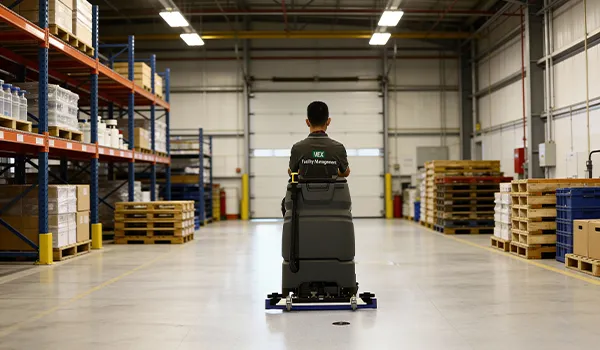
Improving Workplace Safety and Reducing Accidents
Clean warehouses help reduce accidents by keeping floors dry, pathways clear, and work areas free from clutter. When surfaces stay clean, employees can move with confidence and avoid slips or collisions.
Safety reports from OSHA show that a large percentage of warehouse injuries come from slips and falls. Good cleaning habits directly lower these risks by removing spills, loose materials, or objects left in walkways.
When visibility is clear and surfaces are even, workers stay safer and operations run without disruption.
Protecting Inventory, Machinery, and Infrastructure
A clean warehouse protects inventory from dust, moisture, and contaminants that can damage products over time. This means fewer returns, fewer complaints, and better product quality.
Dust can also affect machinery by blocking vents, increasing friction, or causing overheating. Clean machines perform better and last longer, which reduces maintenance costs.
Clean storage racks, floors, and loading areas also prevent unnecessary damage during handling or transport. This helps the entire infrastructure remain in good condition.
Supporting WHS or OHS and Compliance Requirements
Warehouse cleaning supports workplace safety rules set by WHS or OHS authorities. Clean facilities are easier to audit and more likely to meet required safety standards.
Under Australian law, the PCBU (Person Conducting a Business or Undertaking) has a ‘Primary Duty of Care’ to ensure the health and safety of workers.
A documented cleaning schedule serves as evidence of ‘Reasonable Practicability’ during a SafeWork NSW or WorkSafe Victoria audit, potentially protecting the business from heavy non-compliance penalties.
During inspections, regulators often check for hazards, waste problems, air quality, and dust levels. Businesses that maintain consistent cleaning habits usually pass these checks without issues.
Cleanliness shows that the company takes safety seriously and provides a healthy environment for employees.
Reducing Dust, Contamination, and Air Quality Risks
Warehouses naturally produce dust because of pallet movement, forklifts, cardboard, and packaging materials. If dust is not controlled, it spreads through the air and settles on products, shelves, and equipment.
Poor air quality affects workers by causing breathing discomfort, coughing, or fatigue. Studies show that fine particles under 10 microns can enter the lungs and pose long-term health risks. Regular cleaning keeps dust levels low, creates cleaner air, and helps employees feel more comfortable during long shifts.
Boosting Employee Morale and Productivity
Clean workplaces support better morale because employees feel safer and more respected in a tidy environment. When work areas are organized, it becomes easier to move, find items, and stay focused.
Research published in the Journal of Occupational and Environmental Medicine confirms that workers in sanitized environments report 12% higher productivity and a significant reduction in respiratory-related absenteeism. Furthermore, a Staples Workplace Survey revealed that 94% of employees feel more motivated when their workspace is kept clean and organized.
Research on workplace behavior shows that people are more productive in clean environments. Even small improvements in cleanliness can increase output and reduce stress. Employees also take fewer sick days when the warehouse maintains good hygiene, which helps keep operations stable.
How to Maintain a Clean Warehouse Year-Round
To meet modern industrial standards, your cleaning plan should include Color-Coded Cleaning Tools to prevent cross-contamination (e.g., separate tools for bathrooms and food zones) and a central station for Safety Data Sheets (SDS) for every cleaning chemical used on-site.
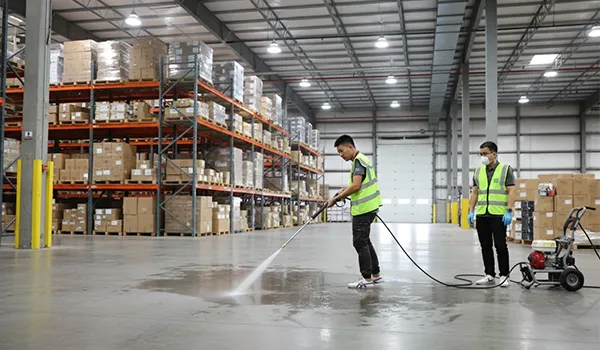
Create a Warehouse Cleaning Plan
A warehouse cleaning plan is a written schedule that shows what needs to be cleaned, how often it should be done, and who is responsible for each task. This keeps every activity structured and predictable.
A clear plan prevents confusion and helps teams stay ahead of problems. Most warehouses use daily routines for high-traffic areas, weekly tasks for dust-prone sections, and monthly or seasonal deep-cleaning for harder areas.
Research in facility management shows that planned cleaning can reduce downtime because teams are not reacting to last-minute messes. A structured plan also helps managers see whether tasks are being completed on time.
Set Cleaning Zones and Assign Responsibilities
Cleaning zones divide the warehouse into small, manageable sections so each team or department knows exactly which area they must maintain. This improves accountability and keeps standards consistent.
When everyone has a defined area, no zone is forgotten. Employees also develop a sense of ownership, which leads to cleaner workspaces.
Many warehouses report smoother operations when cleaning zones are used, because organised spaces reduce time lost to searching, sorting, or clearing clutter.
Keep Cleaning Supplies Stocked and Accessible
Keeping cleaning supplies easy to access allows workers to deal with spills, dust, or debris right away. A warehouse stays cleaner when the tools are always available.
When supplies run out, spills stay longer and become safety hazards. Industrial safety studies show that quick spill response lowers the risk of slip-related injuries.
Placing absorbents, brooms, wipes, and bins in visible spots encourages workers to clean as they go, which prevents small issues from turning into major problems.
Use Proper Labelling and Clear Storage Layouts
Proper labeling and clean storage layouts help workers return items to the right place, keep aisles open, and reduce clutter throughout the warehouse.
When labels are clear, employees do not waste time figuring out where inventory belongs. This improves accuracy and keeps aisles free for forklifts and foot traffic. Clear layouts also reduce accidents caused by misplaced items or blocked pathways. A warehouse with good labelling simply feels easier to navigate.
Make a Waste and Recycling Disposal Strategy
A waste disposal strategy sets rules for how trash, cardboard, broken pallets, and recyclable materials should be removed. This keeps the warehouse hygienic and controls fire risks.
Industrial warehouses generate large amounts of packaging waste. Without proper disposal, this creates clutter, attracts pests, and slows down workflow.
Studies from waste management groups show that organized recycling systems reduce clutter and improve warehouse flow. A clear strategy also supports sustainability goals and keeps the environment cleaner for staff.
Control Dust With the Right Tools and Equipment
Dust control requires equipment made for industrial environments, such as high-filtration vacuums, floor scrubbers, and microfiber tools that trap fine particles. These tools remove dust that sweeping alone cannot handle.
Dust affects machines, products, and air quality. Research shows that cleaner air reduces worker fatigue and respiratory discomfort.
Proper dust control also prevents build-up on equipment, which helps machines run longer without overheating or breaking down. Using the right tools keeps the warehouse safer and healthier.
Schedule Deep-Cleaning for Hard-to-Reach Areas
Deep-cleaning involves planned sessions for areas that daily routines cannot reach, such as overhead beams, vents, corners, and the spaces behind racks. These areas collect dust that can fall onto stock or equipment.
Deep-cleaning supports compliance and reduces hidden risks. Warehouses that schedule quarterly or twice-yearly deep-cleaning sessions report fewer pest issues and fewer equipment failures linked to dirt buildup.
It also helps prepare the facility for audits, client visits, or safety inspections. When deep cleaning is part of the annual cycle, the warehouse stays stable, predictable, and easier to manage.
When Should You Hire Professional Warehouse Cleaners?
Hiring professional warehouse cleaners becomes necessary when your facility needs deeper support than what daily in-house cleaning can provide.
As warehouses grow larger and more complex, certain tasks require specialized tools, trained technicians, and safety procedures that general cleaning teams are not equipped to handle.
Professional cleaners help restore areas that are difficult to reach, highly contaminated, or safety-sensitive, ensuring the whole warehouse returns to a safe working condition.
Signs Your Warehouse Needs a Professional Deep Clean
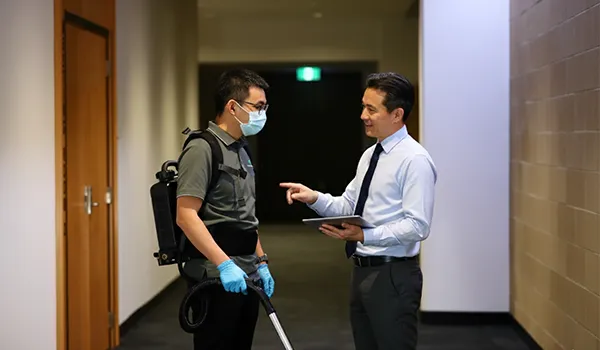
A warehouse usually needs a professional deep clean when normal cleaning no longer keeps the space under control. If dust is settling on top of rafters, beams, and high-level structures, or if machines develop thick layers of grease and residue, it shows that deeper cleaning is overdue.
Floors that remain slippery or stained even after daily mopping also signal that industrial-level tools are needed.
Other clear signs include persistent smells, mold patches in corners, pest activity, or airflow that feels heavy and dusty. Employees may begin reporting breathing discomfort, coughing, or irritation from airborne particles.
When these issues appear, it means the warehouse requires cleaning methods such as HEPA-filtered vacuuming, high-reach dust removal, industrial degreasing, and precision cleaning around machinery. These tasks are best handled by professionals who have the right safety training and equipment.
Benefits of Working With Industrial-Grade Cleaning Teams
Industrial cleaning teams bring a level of skill and efficiency that in-house staff rarely achieve. They are trained to work in busy warehouse environments and know how to remove heavy dirt, oil, and dust without interrupting daily operations.
Their cleaning methods improve workplace safety, protect machinery, and help maintain product quality.
These teams also understand WHS and OHS guidelines, proper chemical handling, and safe practices when working at height.
Their experience allows them to clean faster and more thoroughly. Many businesses notice that professional cleaners complete high-level or complex tasks in half the time of an untrained team.
They can also spot hidden issues, such as dust build-up in vents, mold behind shelving, or residue layers around equipment that could affect performance or safety.
Cost, Time, and Risk Advantages of Outsourcing Cleaning
Outsourcing warehouse cleaning offers strong cost and safety advantages. Companies avoid spending money on expensive cleaning machines, high-reach tools, or specialized chemicals because professionals bring their own equipment.
This reduces long-term expenses and prevents the need for constant maintenance of internal cleaning tools.
Professional cleaners also save time. They usually work before or after business hours, which means there is no interruption to warehouse workflows.
Their work reduces the chances of accidents, especially when cleaning elevated areas or handling chemical residues. Industry reports show that outsourcing can lower cleaning-related costs by 20 to 40 percent while significantly reducing the risk of worker injuries.
For many warehouses, this combination of safety, efficiency, and long-term savings makes professional cleaning a practical and reliable solution.
What to Look for When Choosing a Warehouse Cleaning Company
Choosing a warehouse cleaning company is an important decision because the right team helps keep your facility safe, compliant, and running smoothly.
A professional cleaning partner should understand industrial environments, follow strict safety standards, and use the right tools for large spaces. The points below explain what you should check before hiring any company.
Certifications, Safety Training, and Insurance Requirements
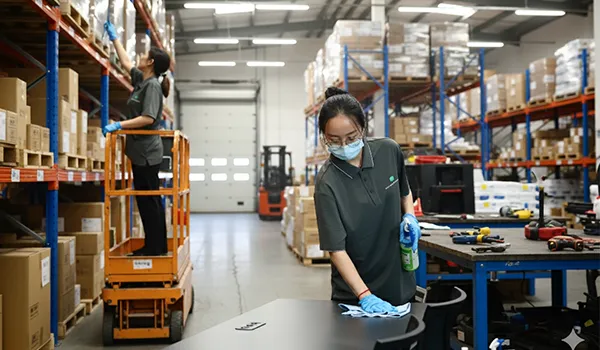
A reliable warehouse cleaning company must have proper certifications, worker safety training, and full insurance coverage. These qualifications show that the team can handle industrial cleaning safely and follow regulatory standards.
Companies with WHS or OHS training know how to work around machines, chemicals, and high-risk areas. Safety training also teaches cleaners how to handle spills, prevent accidents, and use cleaning equipment correctly.
Insurance is equally important because warehouse cleaning often involves working at height or around heavy equipment. If an accident happens, proper insurance protects your business from liability and ensures everyone stays covered.
Experience With Industrial Environments
A cleaning company should have hands-on experience working in warehouses, production sites, or distribution centers. Industrial spaces behave differently from offices or retail stores, so general cleaners may not understand the risks or the layout.
Experienced warehouse cleaners know how to protect inventory, avoid disrupting operations, and clean around forklifts, conveyors, and racking systems.
They also understand which cleaning products are safe for floors, machines, and storage areas. This experience leads to smoother cleaning sessions, fewer mistakes, and better results overall.
Consistent Quality Control and Reporting
A good warehouse cleaning company will have a clear quality control process that helps track results and maintain consistent standards every day.
This often includes checklists, progress logs, supervisor inspections, and regular communication with your management team.
Quality reports make it easier to see what has been cleaned, what needs attention, and whether cleaning goals are being met.
Many companies now use digital apps to send updates, photos, or reports directly to warehouse managers. This level of transparency improves accountability and ensures your facility remains clean and compliant without guesswork.
Use of Modern Tools, Equipment, and Eco-Friendly Products
A strong cleaning company should use updated tools and safe cleaning products that work well in industrial environments.
Modern equipment helps remove dust, grease, and debris faster, while eco-friendly solutions reduce chemical exposure for workers.
High-filtration vacuums, scrubber machines, and long-reach tools allow cleaners to work efficiently without interrupting warehouse operations.
Eco-friendly chemicals also help protect sensitive equipment and inventory from harsh residues. Cleaner air and safer surfaces improve the working environment and support long-term sustainability goals.
Final Thoughts
Warehouse cleaning plays a major role in keeping operations safe, smooth, and dependable. A clean warehouse reduces accidents, protects inventory, and helps businesses meet WHS and OHS standards without stress.
When floors, racks, machinery, and staff areas stay clean, the entire facility becomes easier to manage and more pleasant for employees. It also removes everyday frustrations like blocked aisles, dust-covered stock, or slippery walkways.
Keeping a warehouse clean is not something you finish once. It requires steady attention throughout the year.
Daily cleaning prevents dirt from building up, while scheduled deep-cleaning handles higher areas, machinery, and hidden corners that gather dust over time. This combination helps avoid costly equipment failures, unexpected disruptions, and avoidable safety risks.