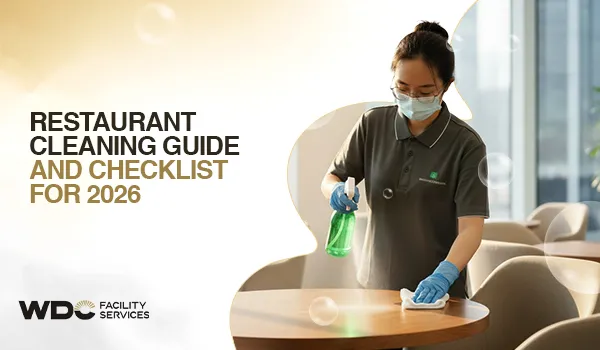
Restaurant cleaning is the systematic removal of grease, food residue, moisture, and microorganisms from preparation surfaces, equipment, storage areas, and ventilation systems to maintain hygienic food handling conditions in commercial kitchens.
The World Health Organization estimates that 600 million people fall ill each year due to contaminated food, with poor surface sanitation identified as a major source of bacterial transfer in food service environments.
Studies in commercial kitchens show that regular cleaning and sanitizing of food contact surfaces can reduce microbial contamination by more than 90 percent when proper hygiene practices are followed.
Consistent cleaning routines help lower contamination risks, maintain food safety standards, and support compliance with public health inspection requirements.
In this guide, I will explain what restaurant cleaning includes, which areas require regular sanitation, and how daily, weekly, and monthly cleaning checklists help maintain operational safety.
What is Restaurant Cleaning?
Restaurant cleaning is the planned process of removing food residue, grease, dust, and harmful microorganisms from all surfaces, equipment, and storage areas inside a food service facility.
The goal is to maintain hygienic conditions that support safe food preparation and reduce the risk of contamination across daily operations.
In commercial kitchens, cleaning goes beyond basic housekeeping. Food handling activities generate moisture, organic waste, and heat throughout the day.
These conditions allow bacteria to grow quickly on preparation counters, utensils, cloths, and cooking equipment if sanitation is not maintained.
Food safety studies have shown that kitchen cloths and frequently used preparation surfaces can carry bacteria such as E. coli and Listeria when they are not cleaned at regular intervals. Once present, these microorganisms can transfer between surfaces through staff contact, shared tools, or airborne particles from ventilation systems.
Restaurant cleaning involves disinfecting preparation areas, degreasing cooking equipment, washing floors and drainage points, and sanitizing storage shelves used for raw ingredients. These tasks help control microbial presence and prevent the spread of contaminants during food handling.
Areas That Require Regular Cleaning in a Restaurant
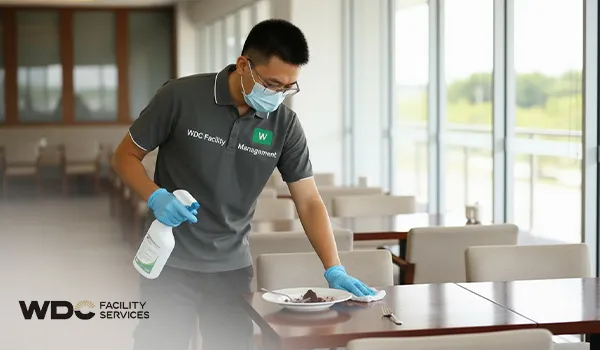
Every restaurant contains multiple operational zones where food handling, customer interaction, and waste generation take place throughout the day. Each of these spaces requires scheduled cleaning to reduce contamination risks and maintain hygiene standards.
- Front of House Areas, Dining Tables, Chairs, Menus, POS Systems
- Commercial Kitchen Equipment and Workstations
- Food Storage Areas Cold Rooms and Shelving
- Washrooms and Handwashing Stations
- Waste Disposal and Garbage Areas
- Ventilation and Airflow Systems
1. Front of House Areas, Dining Tables, Chairs, Menus, POS Systems
Front of house areas are customer facing spaces that include dining tables, seating arrangements, payment terminals, and shared service items such as menus. These surfaces are touched frequently by both customers and staff during operating hours.
Research conducted by the National Sanitation Foundation found that restaurant menus often carry more bacterial contamination than restroom door handles because they are handled repeatedly without routine cleaning between uses. Payment terminals and digital ordering screens may also accumulate microorganisms due to constant hand contact.
Routine cleaning of tables, chairs, and service counters helps reduce microbial transfer from surfaces to food items served in dining areas. Sanitizing these contact points at regular intervals throughout the day significantly lowers the risk of cross contamination between customers and food service staff.
2. Commercial Kitchen Equipment and Workstations
Kitchen equipment and preparation stations are among the most contamination sensitive areas in any restaurant. Cooking ranges, cutting boards, mixing tables, and food preparation counters come into direct contact with raw ingredients multiple times a day.
Grease buildup on cooking equipment can trap food particles and create a breeding ground for bacteria when exposed to heat and moisture. Studies in commercial kitchens have shown that food preparation surfaces can host Salmonella and Campylobacter when not cleaned after each use.
Cleaning these workstations with approved sanitizing agents helps prevent microbial transfer between raw and cooked food items. It also reduces the risk of cross contamination which may occur when preparation surfaces are reused without proper disinfection.
3. Food Storage Areas Cold Rooms and Shelving
Food storage areas include refrigeration units, dry storage racks, and ingredient shelving used to store raw materials before preparation. These spaces require regular cleaning to prevent mold growth and spoilage caused by moisture accumulation.
Temperature controlled environments such as cold rooms can develop condensation on walls and shelves. This moisture may encourage microbial growth that contaminates stored food products over time. The Centers for Disease Control and Prevention has noted that improper cleaning of refrigeration units is linked to bacterial survival on packaging surfaces.
Maintaining cleanliness in storage areas ensures that raw ingredients remain safe for consumption and reduces the likelihood of contamination spreading to preparation zones during handling.
4. Washrooms and Handwashing Stations
Washrooms and handwashing facilities are critical hygiene points that require frequent sanitation to maintain staff cleanliness and prevent microbial transfer into food preparation areas.
Handwashing stations are used regularly by kitchen staff before handling food. Contaminated faucets or soap dispensers may reintroduce bacteria even after proper handwashing. Research has shown that inadequate sanitation of handwashing facilities contributes to increased contamination in food service environments.
Routine cleaning of washrooms and hygiene stations helps maintain proper personal hygiene practices among staff and reduces the risk of bacteria entering kitchen spaces through human contact.
5. Waste Disposal and Garbage Areas
Waste disposal zones contain organic waste materials such as food scraps and packaging that can attract pests and generate harmful bacteria when left unattended.
Garbage bins placed near preparation areas may produce odors and airborne contaminants if not cleaned regularly. Studies indicate that improper waste management can lead to the growth of microorganisms that spread across floors and nearby surfaces.
Cleaning and disinfecting waste containers helps prevent pest infestation and reduces contamination risks associated with decaying organic materials.
6. Ventilation and Airflow Systems
Ventilation systems remove smoke, grease particles, and airborne contaminants generated during cooking processes. Over time, grease accumulation within ducts and filters may reduce airflow efficiency and introduce contaminants back into kitchen spaces.
Research on commercial kitchen ventilation has found that grease buildup inside exhaust systems can contain microbial deposits when exposed to warm air circulation. Cleaning these systems improves indoor air quality and reduces contamination risks associated with airborne particles.
Daily Restaurant Cleaning Checklist
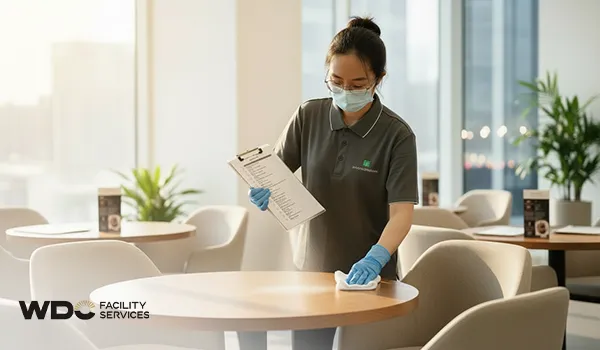
Daily restaurant cleaning involves routine sanitation tasks performed at the end of each shift to remove food residue and maintain hygienic working conditions across operational areas.
- Dining Area Cleaning
- Kitchen Surface Cleaning
- Equipment Cleaning Tasks
- Floor and Drain Cleaning
- Waste Removal and Bin Cleaning
1. Dining Area Cleaning Tasks
Dining areas should be cleaned multiple times a day because of constant customer interaction. Surfaces such as tables, chair backs, and service counters accumulate microorganisms through repeated contact during meal service hours.
Sanitizing these surfaces after each customer turnover reduces microbial presence and maintains a clean dining environment for incoming guests.
2. Kitchen Surface Cleaning Tasks
Kitchen surfaces used for food preparation must be cleaned immediately after use to prevent contamination between raw and cooked food items.
Food safety studies have shown that bacteria can transfer between surfaces within minutes when preparation counters are reused without sanitation.
3. Equipment Cleaning Tasks
Cooking appliances such as ovens, grills, and fryers should be wiped and degreased daily to remove oil buildup and food particles.
Removing grease deposits helps maintain equipment efficiency and prevents bacterial growth on heat exposed surfaces.
4. Floor and Drain Cleaning
Floors and drainage systems may accumulate liquid waste and food debris throughout the day.
Cleaning these areas prevents slip hazards and reduces the risk of bacterial growth associated with standing moisture.
5. Waste Removal and Bin Cleaning
Waste bins should be emptied and disinfected daily to prevent odor buildup and microbial growth.
Proper waste disposal practices reduce contamination risks within preparation zones.
Weekly Restaurant Cleaning Checklist
Weekly restaurant cleaning includes deeper sanitation tasks that target areas often missed during daily routines. These tasks focus on removing accumulated grease, dust, and moisture from equipment and storage spaces to maintain safe food handling conditions.
- Deep Cleaning of Kitchen Equipment
- Refrigeration Unit Cleaning
- Ventilation Filter Cleaning
- Wall, Ceiling and Storage Area Cleaning
1. Deep Cleaning of Kitchen Equipment
Kitchen equipment collects grease, carbon deposits, and food residue after repeated daily use. These deposits may not be fully removed during routine surface cleaning at the end of each shift.
Over time, grease buildup on cooking ranges and ovens can trap organic particles that support bacterial growth. Research published in the Journal of Food Protection has shown that grease contaminated surfaces can harbor harmful microorganisms for extended periods if not cleaned thoroughly. Weekly deep cleaning of grills, fryers, ovens, and preparation machines helps reduce microbial presence and improves cooking efficiency.
Degreasing internal equipment components also reduces the likelihood of fire hazards. Commercial kitchens with excessive grease buildup inside cooking appliances have reported increased maintenance issues and ventilation blockage over time.
2. Refrigeration Unit Cleaning
Refrigeration units are used to store perishable ingredients under controlled temperatures. However, spills, condensation, and packaging debris can accumulate inside storage compartments throughout the week.
Moisture inside refrigerators creates an environment where mold and bacteria can survive even at low temperatures. Studies conducted by the Food Safety Authority have identified contaminated refrigerator shelves as a common source of cross contamination between raw and ready to eat foods.
Cleaning storage racks, internal walls, and door seals weekly helps maintain hygiene standards and prevents microbial transfer during ingredient handling.
3. Ventilation Filter Cleaning
Ventilation filters capture grease particles and airborne contaminants generated during cooking processes. These filters gradually become clogged with oil residue and dust.
When airflow is restricted, contaminated air may circulate back into the kitchen environment. Research on indoor air quality in commercial kitchens has shown that unclean ventilation filters can reduce air exchange efficiency by more than 40 percent.
Weekly cleaning of ventilation filters helps remove trapped grease and improves airflow across preparation areas.
4. Wall, Ceiling and Storage Area Cleaning
Kitchen walls, ceilings, and storage racks often accumulate smoke residue and airborne grease particles that settle over time.
These surfaces are not always included in daily cleaning routines. Dust and grease deposits on walls and overhead storage areas may contaminate food preparation zones indirectly when disturbed.
Weekly sanitation of these surfaces helps maintain overall hygiene and reduces contamination risks associated with airborne particles.

Monthly Restaurant Cleaning Checklist
Monthly restaurant cleaning focuses on large scale sanitation tasks that address hidden contamination sources within ventilation systems, flooring, and cold storage environments.
- Exhaust Hood and Duct Cleaning
- Cold Storage Deep Cleaning
- Pest Prevention Cleaning
- Floor Polishing and Surface Treatment
1. Exhaust Hood and Duct Cleaning
Exhaust hoods and duct systems remove smoke and grease laden air from cooking stations. Grease particles accumulate inside these ducts during daily operations.
Over time, this buildup may restrict airflow and introduce contamination into kitchen environments. The National Fire Protection Association has reported that grease deposits inside exhaust ducts are one of the leading causes of commercial kitchen fires.
Monthly cleaning of exhaust hoods and duct systems helps maintain safe airflow and reduces microbial presence associated with airborne grease.
2. Cold Storage Deep Cleaning
Cold storage units such as walk in refrigerators require deep cleaning at regular intervals to prevent contamination caused by condensation and food residue.
Studies on food storage safety indicate that microbial growth can occur on refrigerator walls when moisture accumulates over long periods. Deep cleaning these units monthly helps maintain ingredient quality and reduces spoilage.
3. Pest Prevention Cleaning
Food service environments may attract pests such as insects and rodents if food residue and waste are not removed from hidden spaces.
Cleaning under equipment, behind storage shelves, and along drainage lines helps eliminate potential breeding areas. Pest prevention cleaning has been linked to improved hygiene ratings during restaurant health inspections.
4. Floor Polishing and Surface Treatment
Restaurant flooring is exposed to moisture, grease, and heavy foot traffic throughout daily operations.
Monthly polishing and surface treatment help maintain floor durability and reduce microbial growth within surface cracks.

Why is Restaurant Cleaning Important?
Restaurant cleaning is essential for maintaining food safety, protecting staff health, and ensuring compliance with public hygiene standards. Proper sanitation reduces contamination risks that may affect both customers and employees.
Customer Health and Food Safety
Foodborne illnesses are often caused by bacteria transferred from contaminated surfaces to prepared meals.
Data from the Centers for Disease Control and Prevention shows that contaminated kitchen surfaces are among the primary sources of food related infections. Regular cleaning of preparation areas helps reduce microbial transfer during cooking processes.
Staff Safety and Workplace Hygiene
Kitchen staff work in environments where grease, moisture, and food debris are present throughout the day.
Unclean floors and equipment may create slip hazards or exposure to harmful microorganisms. Maintaining workplace hygiene reduces accident risks and supports safer working conditions.
Prevention of Cross Contamination
Cross contamination occurs when microorganisms transfer from raw food to cooked food through shared surfaces or utensils.
Proper sanitation of preparation counters and storage areas helps prevent bacterial spread between ingredients during handling.
Maintaining Restaurant Reputation
Customer perception of cleanliness influences dining experience and brand trust.
Studies on customer behavior indicate that visible hygiene standards can affect repeat visits and overall satisfaction levels.
Compliance with Health and Safety Regulations
Restaurants must follow hygiene guidelines established by local food safety authorities.
Failure to maintain proper sanitation standards may result in penalties or closure during inspection processes.
Benefits of Maintaining a Proper Restaurant Cleaning Routine
Maintaining a structured restaurant cleaning routine helps reduce contamination risks, improve operational safety, and support consistent food quality. Regular sanitation also improves customer satisfaction and protects kitchen equipment from long term damage caused by grease and moisture buildup.
Improved Food Safety
Routine cleaning of preparation areas helps reduce the presence of bacteria that may contaminate food during handling.
Studies from the World Health Organization have shown that improved sanitation practices in food service environments can significantly reduce the spread of foodborne pathogens. Cleaning food contact surfaces regularly limits microbial transfer between ingredients and cooking tools.
Reduced Risk of Illness
Unclean kitchen environments increase the likelihood of contamination that may lead to food related illnesses.
Research published by the Food Standards Agency indicates that improper sanitation of preparation surfaces and utensils is a common cause of bacterial transfer in commercial kitchens. Maintaining hygiene routines reduces the risk of illness for both customers and staff.
Better Customer Experience
Customers often associate visible cleanliness with food quality and service standards.
Surveys on dining behavior have shown that restaurants with higher hygiene ratings receive more repeat visits compared to establishments with lower sanitation scores. Clean dining environments improve customer confidence and overall experience.
Increased Equipment Lifespan
Grease and food residue may damage cooking equipment when left unattended for long periods.
Routine cleaning helps maintain equipment efficiency and prevents corrosion caused by organic buildup. Regular maintenance also reduces the frequency of repairs and replacement costs.
When to Consider Professional Restaurant Cleaning Services
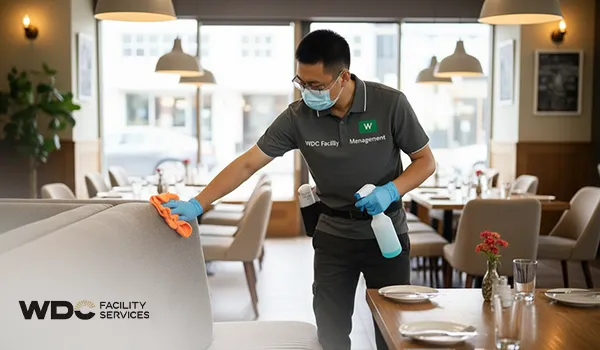
Professional cleaning services may be required when routine cleaning methods are not enough to remove grease buildup or contamination from hidden areas within the kitchen environment.
Restaurants often consider professional cleaning after renovation work, before health inspections, or when ventilation systems accumulate excessive grease deposits.
Deep cleaning of exhaust ducts, cold storage units, and flooring surfaces may require specialized equipment and trained personnel.
Commercial kitchens that operate for extended hours may also experience contamination in areas that are difficult to access during daily cleaning routines. Professional services help restore hygiene standards by removing residue from ventilation systems, drainage lines, and preparation zones.
Periodic professional cleaning has been associated with improved hygiene ratings in food safety audits. These services support compliance with sanitation guidelines and reduce contamination risks within operational environments.
FAQ
What are the duties of a restaurant cleaner?
The primary duty of a restaurant cleaner is to maintain a sterile environment that prevents cross-contamination and ensures guest safety.
Beyond basic tidying, an expert cleaner focuses on the sanitation of high-touch surfaces like POS systems and door handles, while also managing deep-cleaning tasks in the back-of-house.
This includes degreasing exhaust hoods to prevent fire hazards and ensuring that floor drains remain clear of organic buildup. Their role is essentially a blend of aesthetic maintenance and strict adherence to local health department sanitation codes.
How do you perform professional restaurant cleaning?
Effective restaurant cleaning follows a strategic “Top-to-Bottom” workflow to ensure that dust and pathogens are not reintroduced to lower surfaces during the process.
You begin by clearing food-contact zones and applying specialized degreasers to surfaces, allowing for proper “dwell time” to chemically break down grease.
After scrubbing and rinsing, the final and most critical step is the application of food-safe sanitizers. This systematic approach ensures that the environment is not just visually clean, but biologically safe for food preparation and consumption.
What is a restaurant cleaning checklist?
A restaurant cleaning checklist serves as a fundamental operational framework that categorizes tasks by frequency, daily, weekly, and monthly, to ensure no area of the establishment is neglected.
Daily tasks usually center on immediate hygiene like floor care and line sanitation, while weekly and monthly schedules dive into technical maintenance such as cleaning refrigerator coils, deep-scrubbing grease traps, and detailing ventilation systems.
By documenting these actions, a restaurant creates a “paper trail of safety” that is invaluable during health inspections or safety audits.
What equipment is used for restaurant cleaning?
Professional restaurant sanitation requires industrial-grade tools designed to handle high volumes of organic grease and heavy foot traffic.
The essential kit includes color-coded microfiber systems to prevent the transfer of bacteria between restrooms and kitchens, along with high-temperature pressure sprayers for deep-cleaning porous surfaces.
Furthermore, the use of dual-chamber mop buckets is critical to ensure that cleaning solutions remain uncontaminated, while HEPA-filter vacuums are employed to maintain high indoor air quality for diners and staff alike.
Conclusions
Restaurant cleaning is an essential process that helps maintain hygiene, reduce contamination risks, and ensure compliance with food safety standards in commercial kitchens.
Daily, weekly, and monthly cleaning routines support safe food preparation by limiting microbial presence on surfaces, equipment, and storage areas. Maintaining structured sanitation practices also improves staff safety and customer experience while protecting equipment from long term damage.
Regular cleaning helps restaurants meet inspection requirements and maintain operational efficiency. In situations where routine cleaning may not be sufficient, professional sanitation services can help restore hygienic conditions within kitchen environments.