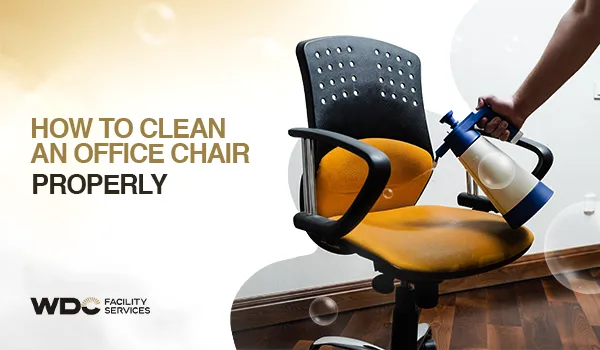
Proper office chair maintenance is essential for ergonomic comfort, hygiene, and structural durability. Workplace hygiene analytics indicate that office chairs accumulate dust, skin oils, germs, and allergens, particularly at frequent touchpoints.
Regular sanitation not only improves aesthetics but also prevents premature wear and enhances Indoor Air Quality (IAQ). While many professionals clean their desks daily, they often neglect the chair, despite an average of 6–8 hours of daily contact.
A systematic cleaning routine can extend the lifespan of your chair by up to 30% and reduce bacterial buildup by over 75% when performed weekly.
This article provides direct, reliable answers regarding required tools, material safety, and professional stain removal techniques. You will understand when DIY methods suffice and when professional extraction is required.
Before You Start: What to Check on Your Office Chair
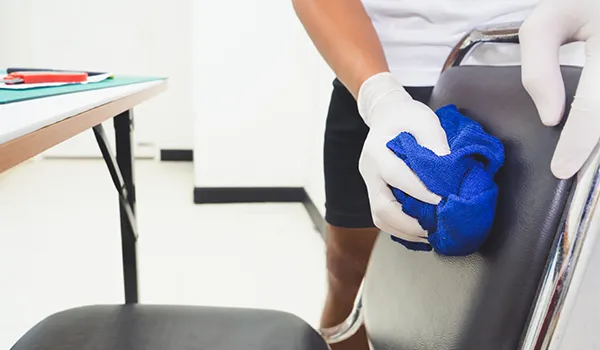
Before initiating the cleaning process, you must identify the material, review care labels, and locate high-traffic areas to avoid accidental damage.
Identify Your Chair’s Material
Material identification dictates the safe use of moisture and chemicals. Every surface reacts differently to hydration and friction.
What to know about each material:
- Fabric: Highly absorbent; requires minimal moisture to prevent foam saturation.
- Mesh: Requires gentle handling; aggressive scrubbing compromises tensile strength.
- Leather: Needs pH-balanced cleaners to preserve natural oils and prevent desiccation.
- Faux Leather (PU/PVC): Sensitive to alcohol-based solvents; requires soft, non-chemical cleaners.
- Vinyl & Plastic: Durable, but prone to micro-scratches from abrasive tools.
Read Care Labels and Manufacturer Guidelines
Care labels show the safest way to clean your chair. Many chairs include codes like W, S, SW, or X that explain what type of cleaner you can use.
Why care labels matter:
- W Code: Water-based cleaners are safe.
- S Code: Use solvent-based (water-free) cleaners only.
- SW Code: Permissible to use either water or solvent cleaners.
- X Code: Vacuum only; no liquid agents.
Areas That Collect the Most Dirt and Germs
Some parts of the chair collect more dirt because they’re touched and used the most. These areas need regular cleaning to stay hygienic.
High-contact areas to focus on:
- Seat: Reservoir for perspiration, skin cells, and debris.
- Backrest: Accumulates skin oils and textile fibers.
- Armrests: Primary germ hotspot due to constant hand contact.
- Adjustment Levers: Frequently touched but often neglected during cleaning.
- Wheels (Casters): Entrap hair and dust, which restricts mobility and damages flooring.
What You’ll Need to Clean an Office Chair
You only need a few basic tools to clean an office chair safely. These items help remove dust, stains, and dirt without damaging the chair material.
You may need:
- Microfibre cloths for lint-free dusting and blotting.
- Mild pH-neutral soap or specialized upholstery cleaner.
- Distilled warm water (to avoid mineral spots).
- Soft-bristled brush for mesh or fabric agitation.
- HEPA-filter vacuum with a brush attachment.
- Baking soda (Sodium Bicarbonate) for odour neutralisation.
- Leather conditioner for natural hide surfaces.
How to Clean an Office Chair easy 5 Step
This step-by-step process explains the safest and most effective way to clean every part of your office chair. Each step is designed to help you remove dirt, protect the material, and keep the chair hygienic for daily use. Following this guide ensures your chair stays comfortable, fresh, and long-lasting.
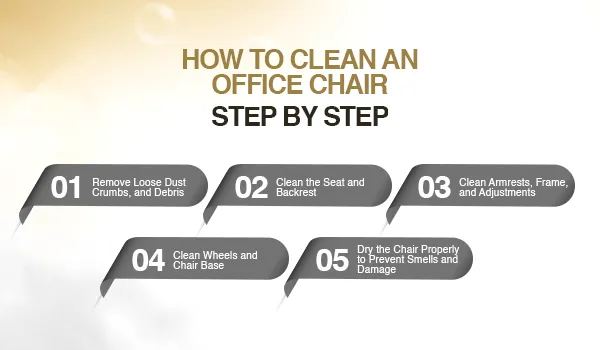
Here is the easy steps:
- Step 1: Remove Loose Dust, Crumbs, and Debris
- Step 2: Clean the Seat and Backrest
- Step 3: Clean Armrests, Frame, and Adjustments
- Step 4: Clean Wheels and Chair Base
- Step 5: Dry the Chair Properly to Prevent Smells and Damage
Step 1: Remove Loose Dust, Crumbs, and Debris
Removing loose dirt first helps prevent it from spreading during deep cleaning. It also prepares the chair so the cleaning products work better.
Dust, hair, crumbs, and tiny particles settle easily on office chairs, especially around the seat, corners, and mesh. Studies on indoor furniture show that dust buildup can carry allergens, bacteria, and pollutants that affect air quality. Clearing this buildup is the foundation of proper cleaning.
How to do it safely and effectively:
- Use a vacuum cleaner with a brush attachment for gentle dust removal.
- Move slowly over seams, stitching lines, and curved areas where crumbs hide.
- For mesh chairs, use low suction to avoid stretching the material.
- Use a soft brush to loosen dust stuck between layers.
- If your chair has deep crevices, use a small detailing brush or a clean paintbrush.
This step removes 70–80% of loose soil, preventing it from being rubbed deeper into the upholstery.
Step 2: Clean the Seat and Backrest
The seat and backrest collect the most sweat, natural skin oils, and everyday dirt. Keeping them clean helps maintain comfort and prevents the fabric from wearing out prematurely.
Warm water with a mild soap solution is usually safe for most chair materials. Research on upholstery cleaning shows that using too much water can damage foam layers and increase drying time, so only a slightly damp cloth should be used.
How to clean them properly:
- Dampen a microfibre cloth in a warm, mild soap solution; wring out thoroughly.
- Apply gentle circular motions to lift surface dirt.
- For mesh, avoid excessive pressure to maintain material tension.
- Rinse with a clean, damp cloth to remove residual soap.
- Blot immediately with a dry cloth to accelerate evaporation.
Standard maintenance like this can extend the lifespan of your upholstery by up to 30%.
Step 3: Clean Armrests, Frame, and Adjustments
Armrests carry more germs than most people realise. Research on office touchpoints has found that armrests often hold more bacteria than a desktop or keyboard, mainly because hands touch them frequently throughout the day.
These areas need careful cleaning to keep them hygienic and smooth.
To clean them effectively:
- Use warm water mixed with a mild detergent.
- Thoroughly wipe the armrests, focusing on the front edges where hand contact is highest.
- Sanitize adjustment levers, knobs, and plastic frames where oils and dust coalesce.
- Rinse with a clean, damp cloth and dry immediately to prevent water spots or streaks.
- Removing residue from lotions or sanitizers prevents long-term stickiness and discoloration.
If you use hand lotions or sanitizers often, residue can build up on the armrests. Cleaning them removes stickiness and prevents discoloration over time.
Step 4: Clean Wheels and Chair Base
Chair wheels collect a surprising amount of dirt, hair, carpet fibres, and dust. This buildup affects how smoothly the chair rolls and can even scratch flooring.
Maintenance reports from office furniture suppliers show that over 50 percent of chair movement problems come from blocked or dirty wheels.
Here’s the best way to clean them:
- Flip the chair gently onto its side or upside down.
- Pull out hair and threads with your fingers or a small tool.
- Use a damp cloth with warm soapy water to clean the wheel surfaces.
- Wipe the chair base, especially around corners where dust collects.
- Roll the wheels by hand to ensure they move smoothly.
If the wheels are extremely stiff, a small drop of silicone-based lubricant helps improve movement, but avoid oil-based lubricants because they attract more dust.
A clean wheel system helps the chair move quietly and reduces friction on hard floors or carpets.
Step 5: Dry the Chair Properly to Prevent Smells and Damage
Proper drying is essential for preventing odours, mould, and moisture damage. Leaving a chair damp causes smells to return quickly.
Most chairs dry well when placed in a ventilated area. Research on fabric furniture shows that good airflow can reduce drying time by up to 40%, which helps prevent mildew.
Safe drying tips:
- Place the chair in a well-lit or airy room.
- Keep it away from direct sunlight to avoid fading.
- Avoid using hair dryers or heaters, as the heat can shrink fabrics or crack leather.
- Allow the chair to dry completely before sitting to prevent new stains.
How to Clean Office Chairs by Material Type
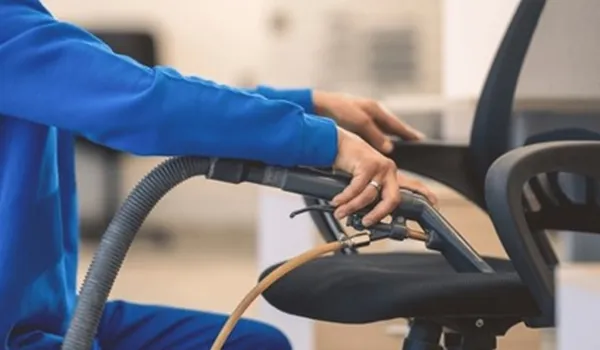
Different chair materials react differently to water, soap, and cleaning pressure. Each type needs its own safe method to avoid damage and maintain long-term quality.
Knowing the right technique helps you clean confidently without harming the fabric, mesh, leather, or plastic parts of your chair.
How to Clean a Fabric Office Chair
Fabric office chairs collect more dust, sweat, spills, and odours than any other material because the fibres absorb moisture easily. Cleaning fabric gently protects the surface, prevents stains from settling, and keeps the chair fresher for longer.
Fabric chairs need a combination of vacuuming, light moisture, and proper drying. A vacuum with a brush attachment helps remove loose dirt, while mild soap or upholstery cleaner lifts deeper marks without damaging the fibres.
Fabric research shows that too much water pushes dirt deeper and increases drying time, which can lead to mould or smell. Blotting is always safer than rubbing because rubbing spreads the stain and weakens the fabric.
Here is the easiest and safest way to clean a fabric office chair:
Steps for Cleaning Fabric Chairs
- Vacuum thoroughly, especially around seams, stitching, and corners.
- Mix warm water with a few drops of mild soap or laundry detergent.
- Dip a cloth lightly, squeeze out excess water, and blot the stained area.
- Blot again with a clean, damp cloth to remove soap residue.
- Let the chair dry completely in a ventilated area.
When Fabric Needs Extra Care
- Deep stains like coffee or curry may need an upholstery cleaner marked “safe for fabrics”.
- Chairs used daily for 6 to 8 hours often need monthly deep cleaning.
- If the foam underneath feels wet, leave it to air-dry before sitting again.
A clean, well-dried fabric chair lasts longer and smells fresher, making it more comfortable for everyday use.
How to Clean a Mesh Office Chair
Mesh chairs are lightweight, breathable, and comfortable, but the tiny holes in the mesh can trap dust, crumbs, and skin particles. Cleaning mesh gently prevents stretching, tearing, and material weakening.
Mesh needs a soft approach because the fibres lose strength if scrubbed aggressively.
Warm soapy water helps break down dirt, and a microfibre cloth removes debris without pulling the mesh. Studies on breathable chair materials show that the mesh becomes loose if pressure is applied repeatedly, so gentle cleaning is essential.
Best Way to Clean Mesh Chairs
- Vacuum the back and seat with a soft brush to remove dust from behind the mesh.
- Mix warm water with mild soap and dip a cloth lightly.
- Wipe the mesh using slow, gentle strokes.
- Rinse the cloth and wipe again to remove soap.
- Dry the chair using a fan or natural airflow to protect mesh elasticity.
Mesh Cleaning Tips
- Avoid heavy scrubbing because it stretches the fibres.
- Do not use harsh chemicals or alcohol-based sprays, as they can weaken the mesh.
- Clean the frame, back support, and edges as dust collects heavily around these areas.
Regular gentle cleaning helps preserve airflow through the mesh and maintains comfort during long work sessions.
How to Clean a Leather or Faux Leather Office Chair
Leather and faux leather chairs look premium, but they require careful cleaning to prevent cracks, dryness, peeling, or colour fading. Proper maintenance helps the surface stay soft, smooth, and resistant to wear.
Leather absorbs oils from skin and clothing, which can lead to dark patches or shine loss. Faux leather behaves differently because it has a synthetic coating that can peel when exposed to strong chemicals.
Research on leather care shows that regular conditioning keeps natural leather flexible and reduces cracks by up to 40 percent.
Safe Steps to Clean Leather Chairs
- Wipe the surface using a damp cloth to remove dust and light dirt.
- Use mild soap mixed with water or a leather-safe cleaner.
- Gently wipe the chair without soaking the surface.
- Dry with a soft cloth to prevent water spots.
- Apply a leather conditioner every 2 to 3 months (only for real leather).
For Faux Leather
- Use mild cleaners only.
- Avoid alcohol, bleach, or strong disinfectants as they cause peeling.
- Do not use thick conditioners because they are meant for natural hide, not synthetic surfaces.
When Leather Needs Extra Attention
- Strong smells need a leather-safe deodorising spray.
- Deep stains should be cleaned as soon as possible to avoid discoloration.
- Cracked or peeling faux leather cannot be repaired and may need replacement.
A clean leather chair improves comfort, appearance, and lifespan, keeping it looking premium for years.
How to Clean Plastic and Vinyl Office Chairs
Plastic and vinyl office chairs are the easiest to clean because they don’t absorb water or stains. Their smooth surfaces make them ideal for shared offices, clinics, or places where hygiene matters.
Cleaning involves wiping, disinfecting, and removing marks without scratching the surface. Studies on synthetic materials show that smooth plastic holds fewer allergens and dust particles, making it low-maintenance and long-lasting.
Simple Cleaning Steps for Plastic and Vinyl
- Mix warm water with mild soap.
- Wipe the entire chair using a soft microfibre cloth.
- Rinse the cloth and wipe again to remove soap residue.
- Use a disinfectant wipe or spray to kill germs safely.
- Dry with a clean cloth to avoid streaks.
Extra Tips for Plastic/Vinyl Chairs
- Avoid rough scrubbers because they create scratches.
- Do not use highly acidic cleaners as they fade colour.
- Vinyl benefits from an occasional vinyl protectant to prevent dryness.
Plastic and vinyl chairs stay looking new with minimal effort, making them perfect for high-traffic environments where quick cleaning is needed.
How to Remove Stains from an Office Chair
Stains can happen from food, drinks, ink, sweat, or everyday spills. Cleaning them quickly makes a big difference because stains become harder to remove the longer they sit. Below are the easiest and safest ways to remove stains from each chair material.
Removing Stains from a Fabric Office Chair
Fabric absorbs stains fast, so gentle cleaning works best.
Use a vacuum first to lift loose dust. Mix a small amount of mild soap with warm water and dab the stain using a soft cloth.
Avoid rubbing because it can push the stain deeper. For tougher stains, a fabric upholstery cleaner works well and helps lift dirt trapped in the fibres. Let the chair dry completely so moisture does not settle into the foam.
Removing Stains from a Mesh Office Chair
Mesh needs careful cleaning to protect the woven material.
Start by vacuuming both sides of the mesh to remove crumbs and dirt. Use a soft cloth dipped in mild soapy water and gently blot the stain.
Avoid scrubbing because mesh can stretch or weaken. If the stain is deep, use a small soft brush with very light pressure to loosen it. Allow the mesh to air dry in good ventilation.
Removing Stains from a Leather Office Chair
Leather requires gentle cleaners to avoid cracking or fading.
Wipe the stained area with a damp cloth using mild soap. For deeper marks, use a leather-safe cleaner designed for furniture. Avoid strong chemicals because they remove natural oils.
After cleaning, apply a leather conditioner to keep the surface soft and prevent dryness. Proper conditioning helps protect leather from future stains.
Removing Stains from a Faux Leather Office Chair
Faux leather is easier to clean but can peel if harsh cleaners are used.
Wipe the stain gently with warm soapy water. Avoid alcohol or bleach because they damage the coating.
For light marks, a microfibre cloth is enough to lift the dirt. For stubborn stains, use a cleaner made for synthetic leather. Dry the area fully to prevent moisture spots.
Removing Stains from Plastic or Vinyl Chairs
These materials don’t absorb stains, so cleaning is simple.
Wipe the stain with mild soap and warm water. For sticky or coloured stains, a non-abrasive cleaner works well. Avoid rough scrubbers because they scratch the surface. Vinyl cleaners help remove stains and leave the surface smooth.
How to Remove Odours from an Office Chair
Odours in office chairs usually come from sweat, spills, trapped moisture, and everyday use. Removing them helps keep the chair fresh and prevents bacteria from building up. The cleaning method depends on the material of the chair, so here are the easiest ways to remove smells based on chair type.
Fabric Office Chairs
Fabric chairs absorb smells the quickest because the fibres hold moisture and sweat.
Sprinkling baking soda over the seat and backrest and leaving it for a few hours helps pull out most odours.
After it dries, vacuum it well. Baking soda works because it naturally absorbs smells without damaging the fabric.
For stronger odours, using a fabric-safe disinfectant spray helps kill the bacteria that cause the smell. Placing the chair in a well-ventilated area helps the fabric dry completely and prevents the smell from returning.
Mesh Office Chairs
Mesh chairs develop odours when sweat or moisture gets trapped in the small holes.
Mixing a small amount of mild soap with warm water and wiping the mesh gently removes the source of the smell.
Mesh dries faster than fabric, which helps reduce odours as long as the chair is placed in an airy space. A light spray of fabric deodoriser can also help freshen the material without soaking it.
Leather and Faux Leather Office Chairs
Leather does not absorb smells as quickly as fabric, but it can still develop odours from sweat or spills.
Wipe the surface with a damp cloth and mild soap to remove the buildup causing the smell. After cleaning, apply a leather conditioner to refresh the surface and prevent dryness.
Faux leather should not be treated with strong chemicals, so a light wipe and air drying work best. Keeping leather chairs out of direct sunlight helps avoid cracks while removing musty smells naturally.
Plastic and Vinyl Office Chairs
Plastic and vinyl chairs usually develop odours from bacteria sitting on the surface rather than deep inside the material.A simple disinfecting wipe or warm soapy water removes the smell quickly.
These materials do not hold moisture, so they dry fast and rarely need deeper deodorising. If the smell continues, cleaning underneath the seat and around screws helps because trapped dirt can cause odours too.
How Often Should You Clean an Office Chair?
| Cleaning Task | Recommended Frequency | Why It Matters (ROI & Hygiene) |
| Light Dusting / Quick Wipe | Every 2–3 days | Prevents allergen accumulation and sanitizes high-touch zones (arms, levers). |
| Weekly Vacuuming | Once per week | Removes abrasive crumbs and bacteria that degrade fabric and mesh fibers. |
| Deep Cleaning (Extraction) | Every 6 months* | Extracts embedded oils and particulate matter to extend upholstery lifespan. |
| Leather Conditioning | Every 2–3 months | Preserves material elasticity, prevents cracking, and maintains aesthetic value. |
| Wheel (Caster) Cleaning | Every month | Restores smooth mobility and prevents debris from scratching flooring. |
| Shared Workspace Chairs | Monthly (Deep Clean) | Mitigates cross-contamination risks in high-turnover or hot-desking areas. |
| Spill & Stain Treatment | Immediately | Prevents permanent discoloration and inhibits bacterial odor development. |
Tips to Keep Your Office Chair Clean
Keeping your office chair clean becomes easier when you follow a few simple habits. These small steps reduce dirt buildup, prevent stains, and help your chair stay fresh for longer.
Simple Maintenance Habits
A few everyday habits can protect your chair and reduce the need for deep cleaning.
- Wipe spills as soon as they happen to stop them from sinking into the material.
- Light vacuuming once a week removes dust, crumbs, and allergens.
- Avoid eating directly on the chair to prevent food particles from getting into the fabric.
- Keep your hands clean before sitting to reduce oil buildup on armrests and seats.
These habits keep dirt from settling deeply and protect your chair’s appearance.
Using Chair Mats and Covers
Mats and covers help reduce wear and protect high-contact areas.
- Chair mats stop wheels from collecting hair and floor dust.
- Seat and backrest covers prevent sweat, moisture, and spills from absorbing into the material.
They also help your chair look newer for a longer time.
DIY Cleaning vs. Professional Office Chair Cleaning
The choice between DIY maintenance and professional office chair cleaning depends largely on the upholstery’s condition and usage frequency. While both approaches have their place in a maintenance schedule, they serve different functions in preserving your office assets.
When DIY Cleaning Is Enough
DIY cleaning is ideal for routine maintenance and addressing immediate, surface-level issues. Most upholstery fabrics respond well to mild soap, warm water, and gentle agitation. For general dust accumulation or minor fresh spills, these in-house methods are both effective and cost-efficient.
Hygiene studies indicate that proper mechanical cleaning with soap and water effectively removes surface grime and significantly reduces bacterial presence. If the chair does not suffer from embedded contaminants or fabric damage, a DIY approach is usually sufficient for day-to-day upkeep.
When Professional Cleaning Makes Sense
Opt for a professional commercial cleaning service provider when dealing with deep-set stains, persistent odors, or long-term soil buildup. Technicians employ industry-grade Hot Water Extraction (HWE) and steam units that penetrate deep into the cushion foam, areas standard wiping cannot reach.
Workplace hygiene surveys confirm that high-temperature steam cleaning sanitizes fabric, neutralizing bacteria and allergens more effectively than surface wiping alone.
If the furniture is high-value (such as ergonomic mesh or leather) or located in a shared environment, professional commercial cleaning services are essential to maintain Indoor Air Quality (IAQ) and hygiene standards.
Benefits of Professional Office Chair Cleaning
Professional cleaning delivers restorative results that extend beyond aesthetics. Commercial equipment extracts abrasive particulates from inner cushion layers, significantly reducing the microbial load and revitalizing the fabric texture.
Furthermore, many providers apply stain-guard treatments to repel future spills. Research on furniture asset preservation shows that regular professional cleaning can extend the lifespan of upholstery by several years. This makes it a high-ROI option for businesses looking to maximize the longevity of their furniture while ensuring a healthy work environment.
Conclusion
Proper cleaning ensures your office chair remains comfortable, hygienic, and durable. With the right tools and a simple routine, maintenance becomes effortless, whether for a home setup or a corporate workspace.
Routine care prevents deep-set stains, eliminates odors, and minimizes abrasive wear on the upholstery. By following the steps in this guide, you ensure safe cleaning across all material types, including fabric, leather, mesh, and plastic. Ultimately, consistent maintenance contributes to a healthier workspace and protects your ergonomic investment for years of daily use.