Commercial deep cleaning is a high-intensity sanitation protocol designed to eradicate accumulated particulates, pathogens, and hidden contaminants that routine maintenance misses.
This guide defines the standards, processes, and industrial equipment required to maintain a safe, compliant, and hygienically sound workplace.
By understanding the technical requirements of a deep cleaning, facility managers can better mitigate health risk, reduce absenteeism and protect high value assets across Australia by ATP testing to TGA-listed disinfection.
What Is Commercial Deep Cleaning?
Commercial deep cleaning is a thorough cleaning method that removes built-up dirt, germs, and hidden contaminants from a workplace. It goes beyond regular cleaning by targeting areas that are touched often or rarely reached, helping create a healthier and safer environment.
Deep cleaning matters because high-touch surfaces can hold thousands of bacteria even when they look visibly clean.
Studies on workplace hygiene show that shared equipment and busy spaces spread germs faster, increasing the chance of illness if deeper cleaning is not done regularly.
This level of cleaning removes embedded dust, residues, and microbial growth that daily routines cannot reach.
Professional teams follow a structured process that includes detailed surface cleaning, sanitising, disinfecting, and improving indoor air quality.
This helps reduce sick days, supports health standards, and keeps the workplace looking and feeling professional for staff and visitors.
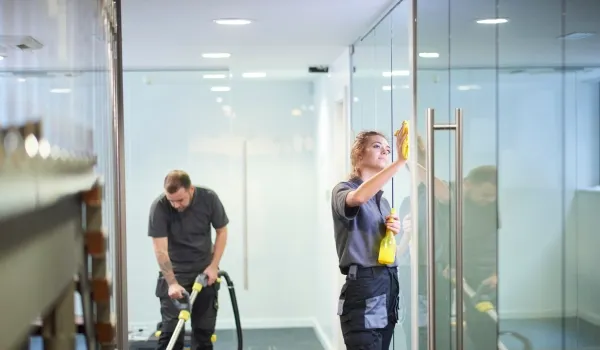
Commercial Deep Cleaning vs. Regular Cleaning
The following table delineates the technical differences between daily maintenance and restorative deep cleaning.
| Aspect | Regular Cleaning | Commercial Deep Cleaning |
| Purpose | Visual maintenance and surface-level hygiene. | Restoration of hygienic standards by removing bio-load. |
| Focus Areas | Accessible surfaces: desks, floors, and bins. | Inaccessible zones: high-level shelving, behind fixtures, and upholstery. |
| Methods | Manual wiping, mopping, and vacuuming. | Steam sterilization, HEPA filtration, and chemical fogging. |
| Frequency | Daily or weekly intervals. | Quarterly, bi-annually, or following hygiene audits. |
| Impact | Maintains order and aesthetics. | Mitigates disease transmission and improves VOC levels. |
| Compliance | General facility maintenance. | Adheres to TGA, OSHA, or industry-specific health codes. |
What’s Included in a Commercial Deep Clean?
A professional deep clean utilizes specialized chemicals and mechanical tools to treat the entire facility volume.
1. Floors, Carpets, and Hard Surfaces
Floors act as the primary reservoir for allergens and pathogens. Professional teams utilize hot water extraction for carpets cleaning and mechanical scrubbers with alkaline degreasers for hard floors.
This process removes embedded contaminants that standard mopping merely redistributes.
2. High-Touch Point Disinfection
Shared surfaces like keyboards, door hardware, and elevator buttons are primary vectors for cross-contamination.
Research shows office keyboards can harbour over 3,000 microbes per square inch. Deep cleaning involves applying disinfectants with appropriate dwell times to ensure a 99.9% kill rate.
3. Kitchens and High-Risk Wet Areas
In break rooms and bathrooms, moisture accelerates microbial colonization. Deep cleaning involves de-scaling fixtures, degreasing appliances, and sanitizing grout lines where mold and bacteria like E. coli proliferate.
4. High-Level Dusting and Air Quality
HVAC vents and elevated fixtures accumulate fine particulate matter that irritates the respiratory system.
Deep cleaning includes high-level dusting and vent sterilization to optimize airflow and reduce airborne allergens.
The 5-Stage Professional Deep Cleaning Protocol
Professional deep cleaning follows a systematic, evidence-based protocol designed to eliminate stubborn bio-load, neutralize pathogens, and restore hygiene across the entire facility footprint.
This process transcends routine maintenance by targeting the hidden microbial reservoirs that compromise occupant health and indoor air quality.
Each stage is strategically sequenced to maximize the efficacy of the next, ensuring a scientifically clean result.
Step 1: Mechanical Cleaning & Bio-Burden Removal
The initial phase involves the mechanical removal of visible dust, soil, and organic residue from all substrates.
This stage is critical because it creates a clean base; research in environmental hygiene confirms that removing bio-burden first can increase the efficacy of chemical disinfectants by up to 90%.
Crews utilize commercial-grade surfactants to emulsify grease and lift particulates from desks, shelving, and fixtures.
All floor surfaces are HEPA-vacuumed to ensure loose debris is captured rather than redistributed. By the end of this stage, the facility is visually pristine and prepared for microbial treatment.
Step 2: Sanitizing for High-Traffic Surfaces
Sanitizing reduces the bacterial count to safe, regulatory-approved levels. This step focuses on frequent touchpoints, phones, switches, and shared workstations to interrupt the cycle of cross-contamination.
Applying approved sanitisers to a pre-cleaned surface allows the solution to make direct contact with the microbial load.
This proactive step is essential in high-density environments to lower immediate infection risks and refresh the workspace for daily operations.
Step 3: High-Risk Disinfection & Pathogen Eradication
Disinfection targets critical zones like bathrooms, kitchens, and medical areas with potent chemical agents designed to destroy a broad spectrum of viruses and bacteria. Disinfection is a restorative hygiene step that requires precision.
Cleaners adhere strictly to manufacturer-specified dwell times (or wet contact times), ensuring the disinfectant remains active long enough to compromise microbial cell walls.
This rigorous approach is the frontline defense against workplace outbreaks and ensures compliance with high-level hygiene standards.
Step 4: Quantitative Validation (ATP Testing)
To provide scientific verification of cleanliness, an optional but highly recommended ATP testing phase is conducted.
Using bioluminescence technology, an ATP meter detects organic matter (Relative Light Units) that is invisible to the naked eye.
This data-driven approach confirms that hygiene levels meet industry benchmarks and is a standard requirement for healthcare, food service, and high-risk commercial facilities.
It provides facility managers with measurable proof that their sanitation goals have been achieved.
Step 5: Compliance Audit & Quality Assurance
The protocol concludes with a comprehensive final inspection. Supervisors review each zone against a rigorous checklist to ensure no high-risk area has been overlooked.
Documentation is provided to the facility manager, outlining the specific treatments applied and the results of the cleaning audit.
This transparent reporting supports safety compliance and provides a clear record of facility maintenance for internal and external stakeholders.
Equipment and Products Used in Commercial Deep Cleaning
Commercial deep cleaning uses specialised equipment and cleaning products that go deeper than regular daily routines. These tools allow professionals to remove hidden dirt, improve hygiene, and reach areas that standard cleaning cannot handle.
The right equipment also reduces cleaning time and delivers stronger results, especially in workplaces with heavy foot traffic or sensitive hygiene needs.
Here are the most common tools professionals use and why they matter in a deep cleaning process:
- Steam Cleaners
These machines use high-temperature steam to break down grease, kill bacteria, and remove stains from tiles, grout, and upholstery. Heat is effective because it penetrates surfaces and reduces germs without leaving chemical residue. - Carpet Extractors
Carpet fibres trap dirt, allergens, and moisture deep inside. Extractors push cleaning solution into the fibres and pull it back out, removing build-up that vacuuming cannot reach. This improves air quality and extends carpet lifespan. - HEPA Vacuums
HEPA filtration captures extremely small particles such as dust mites and allergens. Many studies show that HEPA systems remove far more airborne contaminants than standard vacuums, which is essential for workplaces with allergy-sensitive staff. - Floor Scrubbers and Polishers
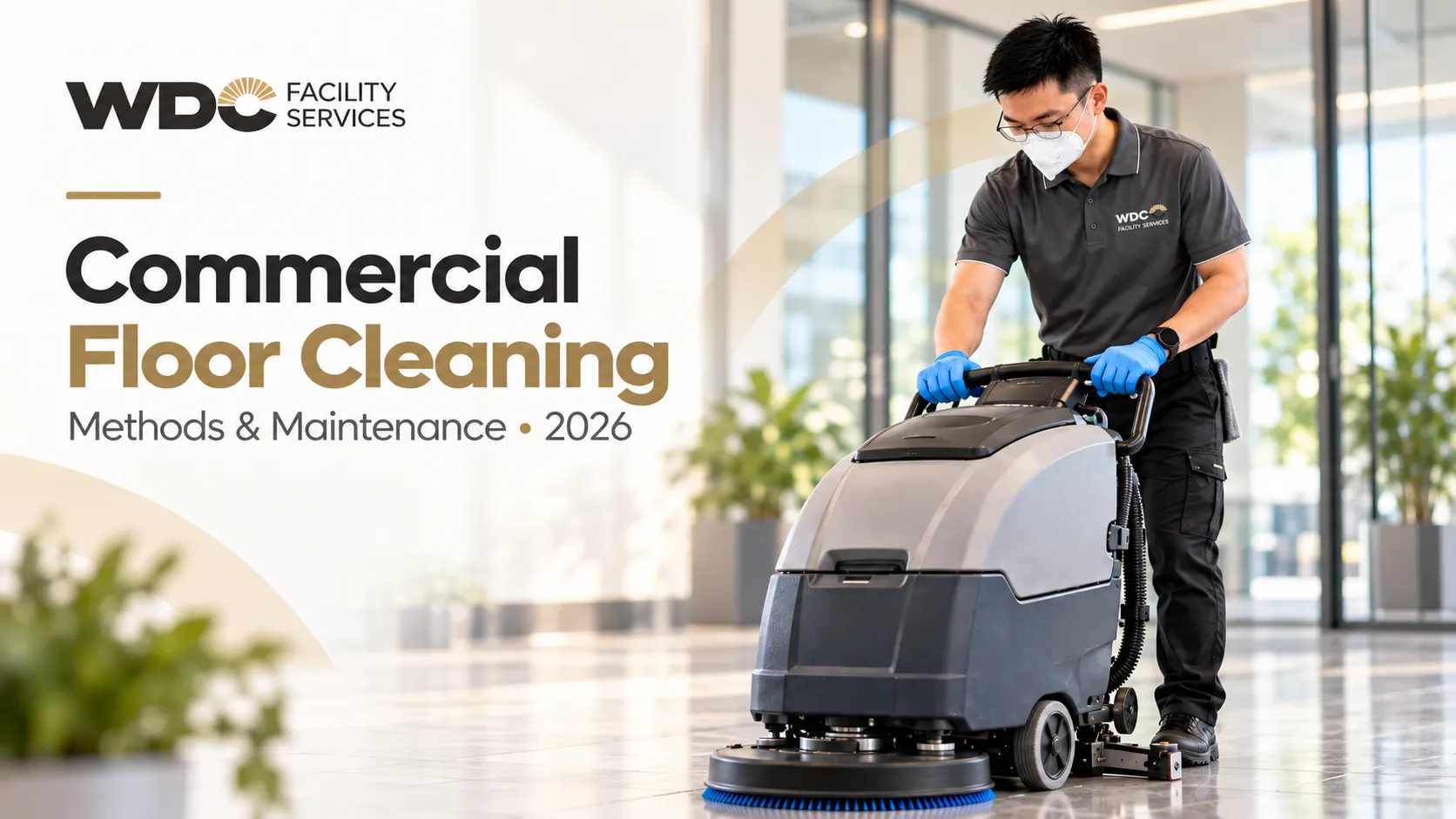
These machines clean hard floors by scrubbing away stuck debris and buildup. They create a smooth, clean surface and help maintain safety by reducing slippery residue. - Pressure Sprayers
Used for large surfaces, pressure sprayers help apply cleaning solutions evenly and reach areas that are difficult to clean manually. They work well in warehouses, industrial sites, and large communal spaces. - Microfiber Cloths and Mop Systems
Microfiber traps more dirt than cotton because its fibres are designed to hold dust and bacteria. This reduces streaking and supports better sanitising results across desks, glass, and shared surfaces. - Hospital-Grade Disinfectants
These solutions are stronger than regular household cleaners and are tested to kill a wide range of pathogens. They are important for bathrooms, kitchens, medical areas, and any workplace where germ reduction is a priority. - Degreasers and Surface-Safe Chemicals
Different materials need different products. Degreasers break down oil and grime in kitchens or industrial areas, while gentle cleaners are used on delicate surfaces to avoid damage while still achieving deep sanitisation.
Industry-Specific Deep Cleaning Needs
Different industries adhere to varied hygiene standards, as every workplace carries unique risks based on foot traffic, surface types, and operational activity.
To maintain safety and compliance, facilities require a customised deep cleaning routine utilizing specialized tools and methods tailored to their specific environment.
1. Offices and Corporate Workspaces
Offices require meticulous deep cleaning service to eliminate dust, bacteria, and allergens that accumulate on shared surfaces.
With multiple employees sharing high-touch zones, these spaces quickly become reservoirs for germs that impact productivity and indoor air quality.
- Essential Tools: HEPA-filter vacuums, steam cleaners, microfiber color-coded systems, and touchpoint disinfectants.
- Why It’s Needed: Research from the University of Arizona reveals that office keyboards can harbor over 3,000 microbes per square inch, nearly 400 times more bacteria than a toilet seat. Professional deep cleaning reduces viral transmission, improves air filtration, and maintains a professional corporate image.
2. Medical and Healthcare Facilities
Healthcare environment cleaning demand the highest tier of decontamination because they manage pathogens, vulnerable patients, and sensitive medical equipment.
These facilities must follow strict clinical hygiene protocols to mitigate infection risks.
- Essential Tools: EPA-registered hospital-grade disinfectants, ATP testing devices for surface verification, and steam sterilizers.
- Why It’s Needed: Managing bioburden on treatment tables, bed rails, and medical tools is critical to preventing Healthcare-Associated Infections (HAIs). Deep cleaning ensures cross-contamination control and maintains strict compliance with healthcare industry standards, protecting both patients and frontline workers.
3. Schools and Childcare Centres
School cleaning services require frequent deep cleaning due to high-contact interactions among children. Classrooms and play areas act as primary vectors for the rapid spread of germs.
- Essential Tools: Non-toxic/child-safe disinfectants, steam cleaners, high-performance carpet extractors, and eco-friendly surface cleaners.
- Why It’s Needed: Items like shared toys, desks, and restrooms accumulate bacteria rapidly. Peer-reviewed studies indicate that implementing rigorous deep cleaning protocols can reduce student absenteeism by up to 46% by limiting the spread of cold and flu viruses. Using child-safe products ensures surfaces are sanitized without leaving harmful chemical residues.
4. Gyms, Fitness Centres, and Studios
Warm, humid environments combined with shared equipment create ideal breeding grounds for bacteria, fungi, and odors. High-touch fitness equipment requires more than just a superficial wipe-down. It needs a proper gym cleaning service.
- Essential Tools: Broad-spectrum antibacterial sprays, antimicrobial coatings, industrial steam machines, and specialized floor scrubbers.
- Why It’s Needed: Clinical studies link poorly maintained gym surfaces to the spread of infections such as MRSA, Ringworm, and athlete’s foot. Deep cleaning removes stubborn sweat residue, disinfects porous surfaces like foam mats, and neutralizes odors to provide a safe workout environment.
5. Hospitality, Retail, and Public Venues
In the hospitality and retail sectors, cleanliness is directly tied to brand equity and customer retention.
High foot traffic introduces constant outdoor contaminants that require regular extraction to maintain safety and comfort.
- Essential Tools: Hot water extraction systems, industrial-grade odour neutralisers, kitchen degreasers, and HEPA dusting tools.
- Why It’s Needed: High-traffic floors and upholstery act as “sinks” for dirt. Deep cleaning in kitchens, restrooms, and lobbies boosts customer satisfaction scores and ensures food safety compliance. A pristine environment is a powerful marketing tool that protects the reputation of the business.
6. Warehouses, Factories, and Industrial Sites
Industrial warehouse cleaning facilities face unique challenges, including the buildup of grease, machinery debris, and combustible dust. Deep cleaning is a prerequisite for operational efficiency and workplace safety.
- Essential Tools: Industrial floor scrubbers, heavy-duty degreasers, pressure washers, and high-level dusting equipment for rafters.
- Why It’s Needed: Production residue can compromise machinery performance and create significant fire or slip hazards. Removing heavy grime and industrial dust ensures a VOC-compliant environment, protects worker respiratory health, and ensures the facility passes safety inspections.
Benefits of Commercial Deep Cleaning for Businesses
Commercial deep cleaning is more than an aesthetic choice; it is a vital component of facility maintenance that improves workplace hygiene, protects employee health, and supports long-term operational performance. Deep cleaning targets pathogens, allergens, and deep-set contaminants that compromise indoor air quality (IAQ).
Key Benefits for Modern Workplaces:
- Reduced Absenteeism: Comprehensive hygiene protocols can reduce the spread of germs on high-touch surfaces by 80%, leading to a significant drop in sick leave, often by as much as 46%.
- Enhanced Productivity: A cleaner environment supports cognitive function. Employees in workspaces with high air quality and low allergen counts report better focus and fewer respiratory distractions.
- Asset Preservation: Deep cleaning removes abrasive dirt and oils that degrade carpets, upholstery, and expensive office equipment. This proactive maintenance extends the lifecycle of your assets, reducing capital expenditure on replacements.
- Brand Authority: A pristine facility reflects professionalism and care, building immediate trust with clients, stakeholders, and visitors.
Signs Your Workplace Needs a Deep Clean
Identifying the need for professional intervention early can prevent long-term health issues and property damage. Here are the clear indicators that a routine clean is no longer sufficient:
1. Visible Build-Up in Neglected Zones
Visible accumulation of dust, cobwebs, and grime in corners or behind furniture is a primary indicator.
Routine cleaning often misses these “hidden sinks,” where allergens can thrive undisturbed.
2. Persistent Odours or Restricted Airflow
Musty or lingering smells usually indicate microbial growth or waste trapped in porous surfaces like carpets and HVAC ventilation systems.
If the air feels “heavy” or stale, your ventilation filters and ducts likely require professional sanitization.
3. Increased Health Complaints or “Sick Building Syndrome”
If employees report frequent headaches, eye irritation, or increased allergy symptoms, it is a clear sign that Indoor Air Quality (IAQ) has declined.
Staff complaints are a leading indicator that deep-set dust and pollutants are affecting the workspace environment.
Commercial spaces should be deep cleaned every one to six months based on occupancy levels, space usage, and regulatory hygiene risks.
A one-size-fits-all approach is insufficient; the ideal frequency depends on how quickly bioburden builds up and the volume of daily foot traffic.
A simple way to determine your schedule is to categorize your facility by activity type.
Some environments require frequent high-touch point disinfection and moisture control, while others with low activity can maintain safety with longer intervals.
Commercial Deep Cleaning Frequency Guide
| Type of Commercial Space | Recommended Frequency | Key Focus Areas | Why It’s Needed |
| Healthcare Facilities | Daily to Weekly | Clinical zones, waiting rooms, rails | Strict infection control and HAI prevention. |
| Gyms & Fitness Centres | Every 1 month | Equipment, locker rooms, mats | Prevents MRSA, fungi, and sweat-borne bacteria. |
| Childcare & Schools | Monthly to Quarterly | Classrooms, toys, shared surfaces | Reduces absenteeism by limiting viral spread. |
| Large Offices (High Traffic) | Every 3 months | Shared desks, HVAC vents, kitchens | Manages allergens and indoor air quality (IAQ). |
| Retail & Hospitality | Every 2–3 months | Lobbies, fitting rooms, restrooms | Protects brand equity and customer safety. |
| Warehouses & Industrial | Every 3–6 months | Machinery, rafters, high-level dust | Ensures VOC-compliance and fire safety. |
| Small Offices (Low Traffic) | Every 4–6 months | Carpets, upholstery, breakrooms | Maintains a professional, manageable environment. |
How to Prepare Your Workplace for a Professional Deep Clean
Preparing your facility for a deep clean allows technicians to work more efficiently, ensuring a thorough remediation of the space.
Proper preparation reduces operational downtime and ensures that every square inch is reached by sanitizing agents.
To ensure a seamless process, follow this pre-cleaning checklist:
- Clear Workstations: Ask staff to remove personal items and peripherals. This allows for 100% surface contact for desks and keyboards, where bacteria count is highest.
- Furniture Relocation: Move light modular furniture or portable items. This exposes “dust traps” and baseboards where allergens and debris typically accumulate.
- Electronics Management: Power down and unplug small appliances or electronic devices. This protects sensitive equipment during electrostatic spraying or steam cleaning.
- Remove Floor Clutter: Clear boxes, loose cables, and debris from the floors so that industrial floor scrubbers and extractors can reach hidden dirt.
- Secure Sensitive Data: Maintain a “Clean Desk Policy” by securing confidential files. This ensures confidentiality compliance while cleaners move through the space.
- Account for Drying Time: If your service includes hot water extraction for carpets or upholstery, plan for several hours of drying time to avoid moisture buildup.
- Optimize Scheduling: Schedule your deep clean after-hours or during weekends. This minimizes disruption to staff and ensures the space is fully sanitized and ready for the next business day.
Choosing the Right Commercial Deep Cleaning Company
Choosing the right commercial deep cleaning company means finding a team that is trained, experienced, and equipped to handle detailed cleaning in workplaces.
The goal is to ensure consistent results, safe practices, and reliable service every time.
When selecting a provider, focus on a few key factors that show whether they can deliver high-quality deep cleaning:
- Experience in commercial environments
Choose a company that specialises in deep cleaning for offices, retail stores, healthcare, gyms, or industrial sites. Industry experience ensures they understand hygiene standards and risk areas. - Use of professional equipment and products
Look for HEPA vacuums, steam cleaners, extraction machines, and hospital-grade disinfectants. These tools help remove deeper dirt, allergens, and bacteria more effectively. - Certifications and standards
Companies that follow recognised cleaning and safety guidelines usually deliver more consistent results and maintain higher hygiene levels. - Reviews, case studies, and references
Checking feedback from other businesses helps verify reliability and quality. - Clear inspection and reporting process
A good company offers checklists, walkthroughs, or reports to show what was cleaned and whether anything needs extra attention.
Ready for a Cleaner, Safer Workspace?
A deep clean is one of the most effective ways to restore hygiene, improve air quality, and keep your workplace safe for everyone. If you’re noticing dust buildup, odours, or rising hygiene complaints, it’s a clear sign your facility needs a professional deep clean.
At WDC Facility Services, we help businesses maintain healthier, more productive environments with reliable commercial deep cleaning.
Our trained team uses industry-approved methods to remove hidden contaminants and refresh every corner of your workspace.
If your facility is ready for a fresh start, we’re here to make the process simple and stress-free.
Get in touch with us today and create a cleaner, safer, and more welcoming workplace for your team and visitors.