Commercial cleaning maintains hygiene and safety in Australian workplaces and public facilities. It involves trained personnel, systematic processes, and industry-approved equipment to reduce contamination risks in commercial environments.
The sector has expanded rapidly in the past decade. The Australian commercial cleaning industry generates over $20.2 billion annually (IBISWorld), driven by increased urban development, stricter hygiene expectations, and a rise in shared work environments.
Businesses now operate under higher accountability to maintain clean spaces that protect employees, customers, and assets.
Demand for reliable cleaning has also strengthened due to documented health impacts.
Studies from Safe Work Australia link proper workplace hygiene to lower illness-related productivity loss, while research in environmental health highlights the role of cleanliness in reducing airborne and surface-level pollutants.
In this guide, I will explain what commercial cleaning includes, why it matters, how much it costs, and how businesses can choose the right provider.
What is Commercial Cleaning?
Commercial cleaning is the professional cleaning of workplaces, buildings, and shared business areas. It involves trained cleaners using professional-grade equipment, safe chemicals, and proven methods to maintain a clean, hygienic, and presentable space that supports the health of daily occupants.
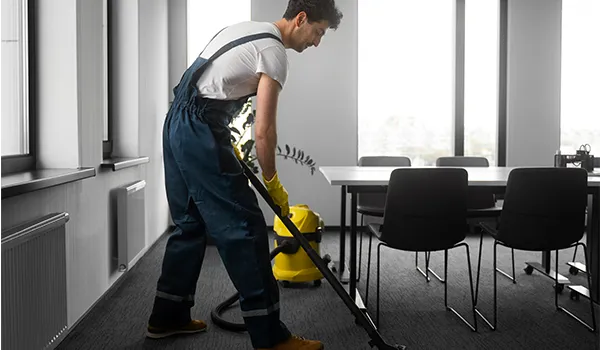
Routine commercial cleaning includes basic tasks like dusting, vacuuming, mopping, emptying bins, wiping desks, and sanitizing washrooms and shared kitchens. These tasks remove dirt, pathogens, and daily buildup that can affect comfort and hygiene.
Many businesses also need extra services such as carpet cleaning, window washing, deep cleaning, floor polishing, or high-pressure washing. These are usually done less often but play a major role in keeping a building in good condition.
Types of Commercial Cleaning for Australian Industries
There are multiple types of commercial cleaning, each designed for a specific environment or business requirement. These categories help companies choose services that match their facility conditions, risk levels, and daily traffic.
Industry-Specific Commercial Cleaning
- Office Cleaning: Keeps workspaces organised and hygienic through routine tasks such as dusting, vacuuming, sanitising desks, and cleaning bathrooms. Offices rely on regular cleaning because shared areas collect dust and bacteria quickly.
- Industrial Cleaning: Covers factories, plants, and production floors where machinery, grease, and heavy traffic are common. This service uses heavy-duty equipment and specialised methods to maintain safety and minimise contamination.
- Retail and Store Cleaning: Focuses on public-facing spaces like supermarkets, showrooms, and boutiques. Clean floors, clear entrances, and sanitised restrooms help stores maintain a professional appearance and a positive shopping experience.
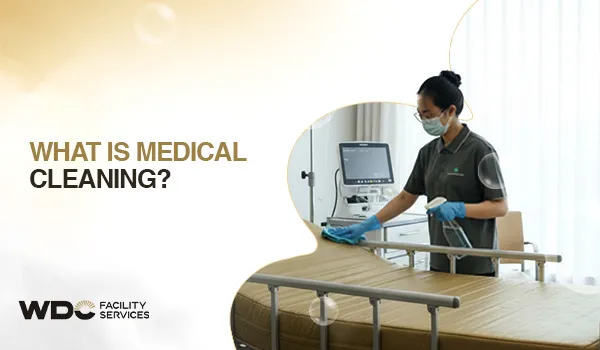
- Medical and Healthcare Cleaning: Follows strict hygiene standards to reduce infection risks. Clinics, hospitals, and aged-care facilities require precise disinfecting of treatment areas, waiting rooms, and equipment surfaces.
- Strata and Apartment Building Cleaning: Maintains shared residential spaces such as lobbies, hallways, and lifts. Consistent cleaning keeps these areas tidy, safe, and compliant with body corporate requirements.
- Gym and Fitness Centre Cleaning: Gyms need frequent sanitation because equipment, mats, and change rooms are high-touch zones. Cleaning helps control pathogens, reduce odours, and maintain member safety.
- School and Childcare Cleaning: Requires detailed cleaning of classrooms, bathrooms, and play areas. These spaces need higher hygiene levels due to constant interaction between children and shared objects.
- Hospitality and Restaurant Cleaning: Supports hotels, restaurants, and cafes. It includes dining areas, kitchens, and guest spaces, helping businesses meet food safety and guest experience standards.
Specialized Commercial Cleaning Services
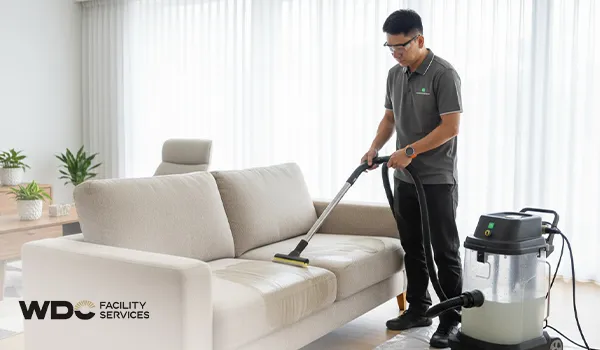
- Carpet and Upholstery Cleaning: Removes dirt, stains, and allergens trapped in fibres. It improves indoor air quality and prolongs the life of flooring and furniture.
- Window Cleaning: Keeps interior and exterior glass clear and streak-free, improving visibility and overall building appearance.
- Deep Cleaning: Targets areas not included in daily routines, such as behind appliances, vents, and corners. It helps refresh a space and remove built-up dirt.
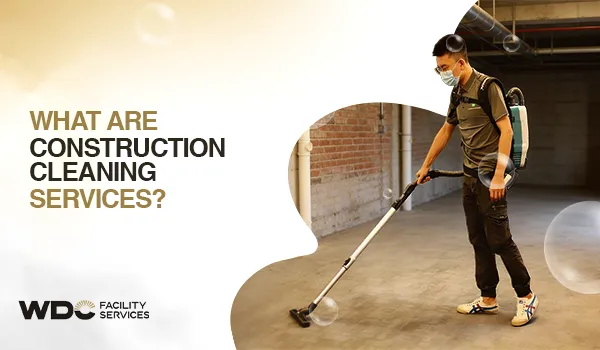
- Construction and Builders Cleaning: Prepares newly built or renovated properties for handover by removing dust, debris, and leftover materials.
- High Pressure Cleaning: Uses powerful water jets to remove dirt, mould, and stains from outdoor surfaces like pathways, walls, and parking areas.
- Commercial Kitchen and Exhaust Cleaning: Removes grease from cooking areas, hoods, and ducts to maintain fire safety and meet food hygiene standards.
- Warehouse and Logistics Facility Cleaning: Controls dust, waste, and spills across large storage areas. It supports worker safety and keeps goods contamination-free.
Why Commercial Cleaning is Important for Your Business
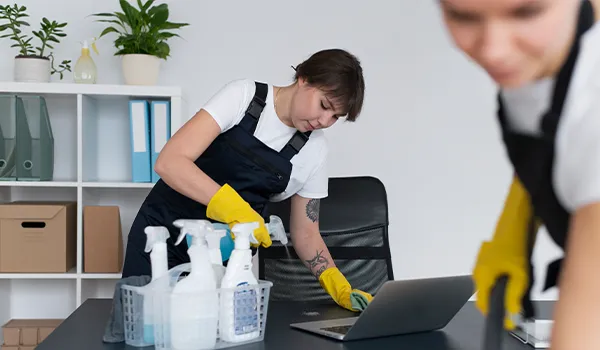
Commercial cleaning is critical because it helps businesses create healthier workplaces, meet hygiene standards, and maintain a safe environment for employees and customers.
A clean space reduces illness, improves operations, supports productivity, and enhances customer perception. Here are the key reasons professional commercial cleaning matters for your business:
- It reduces workplace illness: Regular cleaning removes dust, bacteria, and contaminants that build up on desks, handles, and shared areas. Fewer pathogens mean fewer sick days. Safe Work Australia reports that poor hygiene contributes to higher absenteeism, especially in offices and schools. Clean surfaces and good air quality help employees stay healthier.
- It improves employee productivity: People work better in clean and organised spaces. Clutter, dust, and unpleasant smells reduce focus. When workplaces are well-maintained, employees feel more comfortable, motivated, and supported, which helps teams complete tasks efficiently.
- It enhances customer perception: Customers quickly notice the cleanliness of a business. Cleanliness influences food safety and trust in restaurants, and clean displays make products more appealing in retail stores. A clean space directly shapes reviews, repeat visits, and brand reputation.
- It helps businesses meet compliance standards: Many industries in Australia have strict hygiene requirements, especially hospitality, healthcare, and childcare. Regular cleaning ensures businesses meet these standards and avoid penalties or failed inspections. Proper sanitation is also critical for maintaining a safe environment under workplace health and safety guidelines.
- It protects equipment and long-term assets: Dust, spills, and neglected areas can damage equipment, flooring, furniture, and fixtures. Regular cleaning prevents wear, reduces repair costs, and extends the life of business assets, maintaining a professional appearance.
Types of Businesses That Need Commercial Cleaning
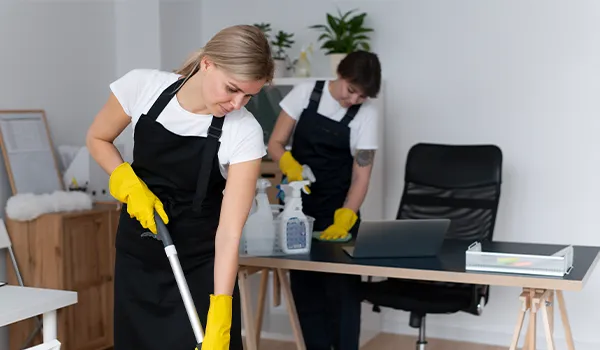
Different industries require commercial cleaning based on their daily activities, customer interactions, and regulatory needs.
Some industries need general cleaning, while others require specialized cleaning due to higher hygiene risks.
The following sections outline the main business types that rely on commercial cleaning services across Australia.
Offices and Corporate Buildings
Offices need commercial cleaning because shared desks, meeting rooms, and kitchens collect dust and germs quickly. Regular cleaning helps maintain air quality, reduce illness, and keep the workplace professional for staff and visitors.
Hospitality and Restaurants
Restaurants, cafes, and hotels require consistent cleaning to meet food safety rules and maintain guest satisfaction. Kitchens, dining areas, and rooms must stay hygienic to prevent contamination and ensure a positive customer experience.
Gyms and Sports Facilities
Gyms need strict cleaning because equipment and change rooms accumulate sweat and bacteria. Frequent sanitation helps prevent the spread of germs and supports member safety and comfort.
Retail Stores
Retail stores need regular cleaning to keep floors, shelves, and fitting rooms presentable. Clean environments improve customer experience and influence buying decisions.
Healthcare and Medical Centres
Medical centres require specialised cleaning to control infections and meet health regulations. Examination rooms, waiting areas, and surfaces must be disinfected to protect patients.
Factories and Industrial Facilities
Industrial sites need heavy-duty cleaning because machinery, floors, and work zones collect dust, oils, and debris. Proper cleaning supports safety and keeps operations running smoothly.
Educational Institutions
Schools and childcare centres need frequent cleaning due to constant contact with toys, surfaces, and shared items. Regular cleaning reduces germ spread and supports a healthy learning environment.
The Role and Expertise of a Professional Commercial Cleaner
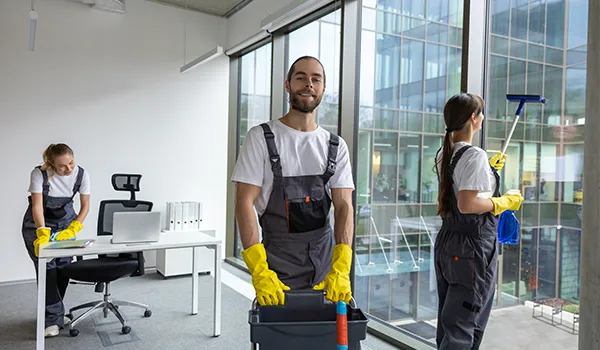
A commercial cleaner helps maintain cleanliness, hygiene, and safety inside business environments. Their work covers routine cleaning, sanitation duties, and specialised services.
Commercial cleaners focus on day-to-day tasks that keep workplaces healthy. They clean and disinfect high-touch surfaces, vacuum carpets, mop floors, empty bins, sanitise bathrooms, and maintain shared kitchens.
They also take care of common areas such as lobbies, hallways, and break rooms, ensuring these spaces stay presentable for employees and visitors.
Beyond routine tasks, professional cleaners handle specialised work when required, including steam-cleaning carpets, polishing hard floors, washing windows, or using high-pressure equipment to remove heavy dirt. Many companies rely on structured checklists to maintain consistency, especially in large offices or multi-level buildings.
Professional cleaners use industry-approved equipment such as HEPA-filtered vacuums, automated floor scrubbers, disinfectant sprayers, and commercial-grade chemicals.
These tools allow them to clean faster and achieve a deeper level of sanitation than normal household methods.
Certain facilities require even higher standards. In healthcare, food service, or industrial settings, cleaners follow strict guidelines to handle contaminants, grease, and hazardous materials.
Their training helps them manage chemical usage, safety procedures, and compliance requirements set by Australian health and workplace regulations. This ensures every area is cleaned correctly and the business meets necessary hygiene standards.
Commercial Cleaning Frequency
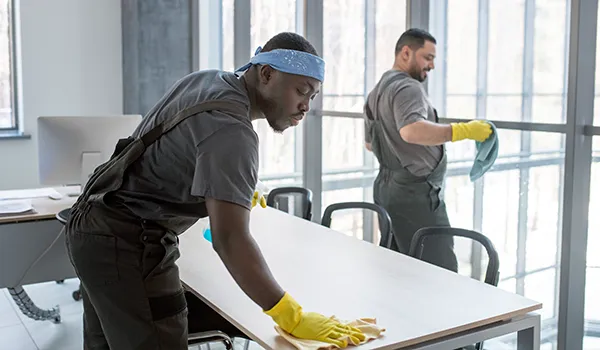
A commercial space should be cleaned according to its foot traffic, daily activities, and hygiene risks.
High-traffic industries like retail, gyms, or healthcare facilities require more frequent cleaning, while low-traffic offices can follow weekly routines for certain tasks.
| Commercial Space | Recommended Cleaning Frequency | Cleaning Type |
| Office Buildings | Daily for kitchens, restrooms, bins; Weekly for desks and carpets | General cleaning, touchpoint disinfection, vacuuming |
| Retail Stores | Daily cleaning; Additional touchpoint cleaning during peak hours | Floor care, dusting, restroom cleaning |
| Gyms & Fitness Centres | Multiple times daily for equipment; Daily for floors and change rooms | Equipment disinfection, floor cleaning, sanitation |
| Healthcare & Medical Centres | After each patient for exam rooms; Daily deep sanitation | Medical-grade disinfection, waste handling |
| Restaurants & Cafes | After each shift; Deep cleaning weekly | Kitchen sanitation, dining area cleaning |
| Industrial Facilities | Daily cleaning; Scheduled cleaning around machines | Degreasing, floor cleaning, hazard control |
| Schools & Childcare Centres | Daily cleaning; Frequent sanitation of shared items | Classroom cleaning, restroom sanitation, waste removal |
| Strata & Apartment Buildings | Weekly or biweekly for common areas | Lobby cleaning, lift cleaning, floor care |
| Warehouses | Weekly for general areas; Daily for high-traffic zones | Dust control, floor cleaning, spill management |
Commercial Cleaning Costs in Australia
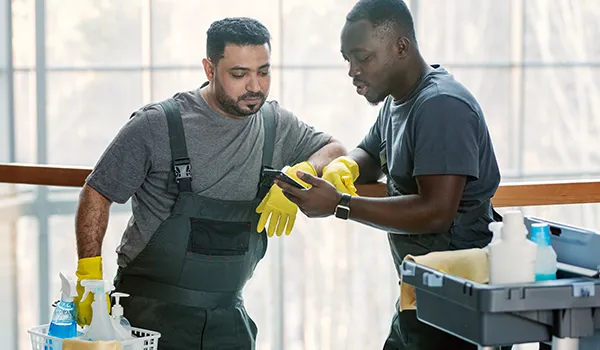
Commercial cleaning costs in Australia depend on the building type, cleaning method, service frequency, and the level of hygiene the workplace requires. Most businesses either pay an hourly rate or choose a fixed monthly package.
Commercial Cleaning Costs in Australia
| Commercial Space / Industry | Type of Cleaning | Hourly Rate (AUD) | Fixed / sqm Pricing (AUD) |
| Offices | General routine cleaning | 30–55 per hour | 2–6 per $\text{sqm}$ |
| Retail Stores | Floor and surface cleaning | 35–60 per hour | 150–450 per visit (size-based) |
| Gyms & Fitness Centres | Equipment sanitation and floors | 40–70 per hour | 3–7 per $\text{sqm}$ |
| Restaurants & Hospitality | Dining area cleaning + kitchen hygiene | 45–90 per hour | 300–900 per visit (kitchen size affects cost) |
| Medical & Healthcare Centres | Medical-grade disinfecting | 55–110 per hour | 4–10 per $\text{sqm}$ |
| Warehouses & Logistics | Large-area machine cleaning | 35–65 per hour | 2–5 per $\text{sqm}$ |
| Schools & Childcare | Classrooms, bathrooms, play areas | 35–65 per hour | 250–600 per visit (depending on building size) |
| Strata Buildings | Lobbies, lifts, hallways, common areas | 35–55 per hour | 200–500 per visit |
| Carpet Steam Cleaning | Deep carpet treatment | 40–65 per hour | 4–12 per $\text{sqm}$ |
| Window Cleaning | Internal and external | 40–90 per hour | 5–15 per window or custom quote |
| Post-Construction Cleaning | Debris removal and final polish | 40–75 per hour | — |
Benefits of Hiring Professional Cleaning Services
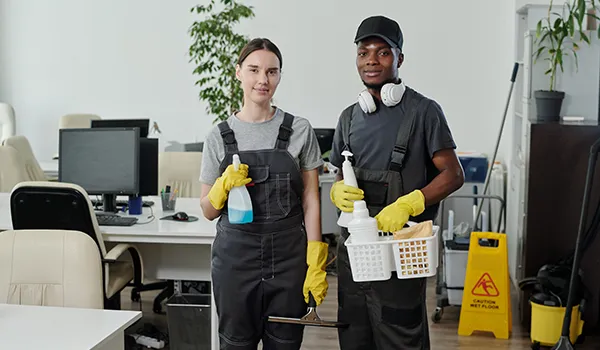
Commercial cleaning services help businesses maintain hygiene, reduce risks, and create healthier workplaces.
Professional cleaners use trained methods and reliable equipment to deliver results that are difficult to achieve with in-house cleaning.
Professional cleaning improves consistency. Cleaners follow fixed schedules and detailed checklists that ensure every area is cleaned regularly. This reduces missed spots and keeps the workplace in a well-maintained condition.
They use equipment like HEPA vacuums, industrial floor machines, and disinfectant sprayers, which remove dust, allergens, and bacteria more effectively than standard tools.
Working with trained cleaners also helps businesses meet Australian hygiene and safety expectations. Professional teams know how to handle chemicals, waste, and high-risk environments such as commercial kitchens or medical rooms. This reduces compliance issues and supports health standards in workplaces.
How to Choose the Right Commercial Cleaning Company
Choosing the right commercial cleaning company means checking their experience, reliability, training, and the services they provide.
A good provider should understand your industry and be able to support your cleaning needs without interruptions.
Start by reviewing the company’s experience in your type of business. Cleaning needs differ vastly between offices, gyms, medical centres, and restaurants.
A company with relevant experience already knows the correct methods, hygiene standards, and safety steps, which ensures consistent results and minimizes errors.
It is also important to check whether the company holds proper certifications. These may include safety training, chemical handling knowledge, and compliance with Australian cleaning guidelines.
Certified cleaners follow safer processes and use approved products, which is essential for workplaces with high hygiene expectations.
You should also look at their service packages. A reliable cleaning provider should offer general cleaning, deep cleaning, and any specialised services your business may need.
Flexible schedules, clear pricing, and quick customer support are strong signs of a professional company. Many businesses also prefer companies that use modern machines and eco-friendly cleaning products. This helps improve indoor air quality and reduces chemical exposure for staff and customers.
To make a final decision, consider asking for a trial clean or an on-site inspection. This helps you see their cleaning quality in real time and evaluate how they communicate and handle tasks.
When comparing companies, check:
- Industry experience
- Certifications and training
- Range of services offered
- Flexible cleaning schedules
- Transparent and fair pricing
- Use of modern equipment and safe products
- Responsiveness and communication
- Availability for trial sessions or site inspections
Conclusion
Commercial cleaning plays a major role in keeping Australian workplaces healthy, safe, and well-presented.
Every industry has different hygiene requirements, but all businesses benefit from consistent cleaning, proper sanitation, and trained professionals who understand how to maintain commercial environments.
A reliable cleaning routine helps reduce illness, protects equipment, supports regulatory compliance, and improves the way customers and employees experience a space.