Construction cleaning services play a critical role in making newly built or renovated properties safe and fit for use, especially as studies from Safe Work Australia show construction sites can leave behind airborne dust particles small enough to remain suspended for up to 48 hours.
Fine debris, silica dust, chemical residues, and surface contaminants pose health and safety risks if not removed through structured cleaning stages.
With recent National Registry data highlighting hundreds of newly diagnosed silicosis and dust-related cases annually, and thousands more at risk of exposure linked to work environments, post-construction cleaning has become an essential step for ensuring healthier indoor spaces.
These services also offer the practical benefit of protecting new finishes and preparing the property for final inspection in a clean, stable condition.
In this guide, you will learn what construction cleaning includes, how the stages work, who needs it, how long it takes, and what tools professionals use.
What is construction cleaning?
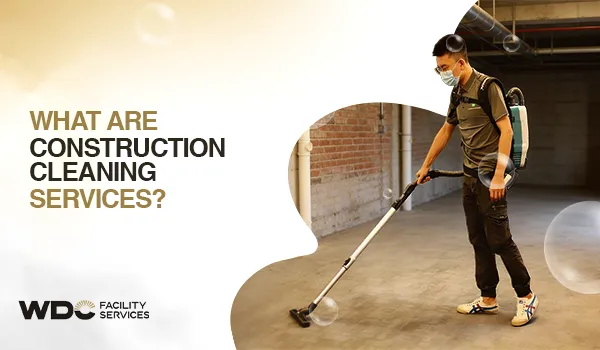
Construction cleaning means clearing dust, debris, stains, and leftover materials after a building or renovation job is finished. It makes the property safe, clean, and ready for people to move in.
When construction ends, fine particulate matter (PM10 and PM2.5) settles on vertical surfaces, inside HVAC ductwork, and within joinery crevices. Professional cleaning removes these traces through a three-phase workflow: Rough Clean, Deep Clean, and Final Polish.
Beyond simple irritation, post-construction sites often contain RCS (Silica dust) and VOCs from new paints/adhesives. Professional cleaning isn’t just for aesthetics; it’s a health requirement to prevent long-term respiratory issues like Silicosis.
Cleaning the property properly helps improve indoor air quality, protects new surfaces from damage, and gives the finished space a fresh, polished look. It also ensures that the property meets basic safety and hygiene standards before handover.
What Do Construction Cleaning Services Include?
Construction cleaning services include the tasks needed to make a new or renovated property clean, safe, and ready for use.
They remove dust, debris, stains, and leftover materials that remain after construction. This section explains the main activities included in a typical cleaning service so you know exactly what to expect.
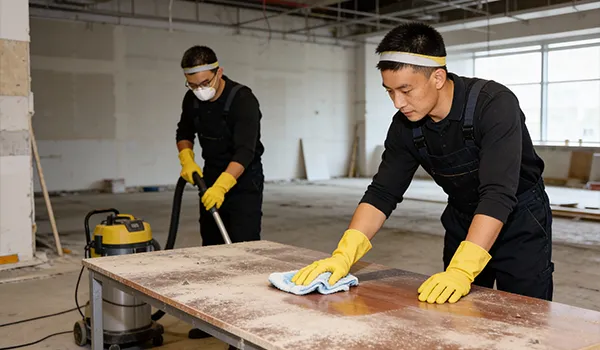
Most construction cleaning services include:
- Removing debris and leftover building waste
- Cleaning dust from all surfaces
- Restoring floors by removing stains and marks
- Deep cleaning kitchens, bathrooms, and living areas
- Cleaning windows, frames, and glass
- Cleaning exterior and outdoor areas
Debris Collection and Waste Removal
Debris removal clears leftover materials such as wood pieces, packaging, scrap metal, nails, and broken parts. This step makes the site safer and opens space for detailed cleaning.
Many studies show that construction work produces a significant amount of waste, which makes this first step important for site safety. Clearing debris early also reduces the chance of injuries and protects new surfaces from accidental damage.
Dust Removal From All Surfaces
Dust removal focuses on fine particles that settle on walls, ceilings, vents, fixtures, and floors. Construction dust stays in the air for a long time and can cause breathing discomfort.
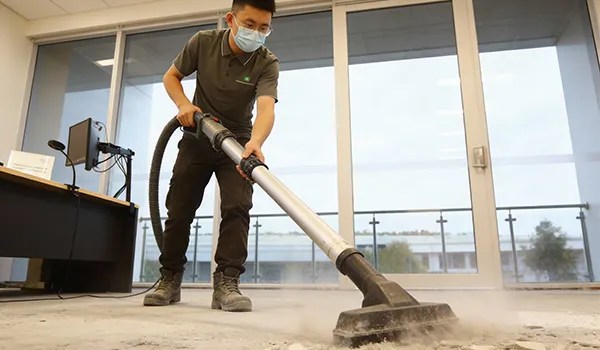
Professional cleaners use H-Class HEPA Vacuums to capture small dust particles before they spread again. This improves indoor air quality and helps the property feel fresh when the cleaning is complete.
Floor Cleaning and Stain Removal
Floor cleaning restores the appearance of tiles, wood, vinyl, or concrete by removing paint marks, adhesive, grout residue, and dried stains.
Construction work often leaves visible marks that basic sweeping or mopping cannot remove. Cleaners use the right tools and cleaning solutions to protect the floor while removing stubborn stains.
This helps extend the floor’s lifespan and gives it a clean, finished look for inspection or move-in.
Detailed Cleaning for Kitchens, Bathrooms, and Living Areas
Detailed cleaning prepares essential rooms like kitchens and bathrooms for safe and comfortable use. These rooms collect dust around cabinets, sinks, fixtures, appliances, and tiles.
Cleaners remove dirt from corners, wipe down surfaces, polish hardware, and clean inside and around new installations. This step ensures hygiene and prevents moisture-related problems that sometimes occur after construction work.
Window, Frame, and Glass Cleaning
Window cleaning removes dust, stickers, fingerprints, paint splashes, and construction residue from glass and frames. Clean windows improve lighting and make the property look well-finished.
Natural light enters more clearly when windows are clean, which helps the space feel more open and welcoming. Removing residue from tracks and frames also ensures windows operate smoothly.
Outdoor and Exterior Area Cleaning
Exterior cleaning focuses on patios, entryways, walkways, driveways, and other outdoor areas affected during construction. Dust and debris build up outside as workers move in and out of the building.
Cleaning these areas improves safety by removing loose materials and enhances the property’s first impression. A clean exterior helps the entire site look complete and ready to hand over.
The Three Stages of Post-Construction Cleaning
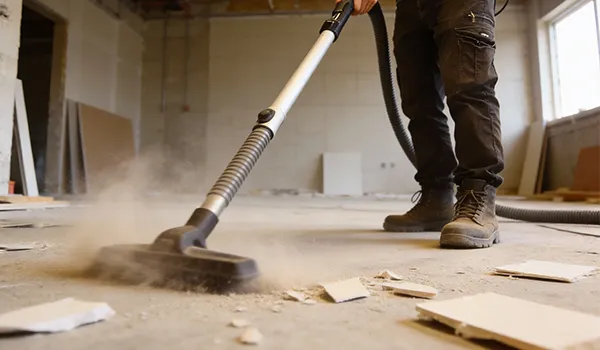
Post-construction cleaning is completed in three structured stages. Each stage has a clear purpose and helps bring the property from dusty and unfinished to fully ready for handover.
These stages allow cleaners to remove debris, handle fine dust, and add the final touches that make the space feel complete.
Stage 1 Initial or Rough Cleaning
The initial cleaning stage focuses on clearing out major debris and removing the first buildup of dust. This stage normally begins once the main construction work is mostly finished and the structure is safe to enter.
During this stage, cleaners remove leftover materials such as plastic wrapping, cardboard, wood pieces, and broken items.
They also sweep or vacuum heavy dust that settles after tasks like sanding, drilling, or drywall installation. This step is important because construction dust spreads quickly and can cover every surface, including floors, ledges, and fixtures.
Rough cleaning also helps prepare the space for installers who need a clearer area to complete work like cabinets, lighting, flooring, or appliances.
A clean environment reduces slip hazards and improves visibility. Industry reports show that early debris removal can reduce workplace accidents and speed up the final phases of construction.
By the end of this first stage, the property still doesn’t feel finished, but it becomes safe, stable, and easier to work in for the next teams.
Stage 2 Final Detail Cleaning
The final detail cleaning stage transforms the property from “under construction” to “move-in ready.” This is the most detailed and time-consuming part of the process because it targets the fine dust and residue that remain after construction is complete.
Fine dust from concrete, plaster, and sawdust tends to settle in hidden areas like window tracks, cabinet hinges, baseboards, and behind appliances.
Professional cleaners use HEPA vacuums and microfiber cloths to remove this dust, which helps improve indoor air quality.
Studies on indoor environments show that post-construction dust often contains tiny particles that can stay airborne for days, making this stage extremely important for health and comfort.
Cleaners also wash and polish floors, remove paint splatters, clean windows, scrub bathrooms, and sanitize kitchens.
Every corner, fitting, and surface receives attention so the property looks fresh and new. This stage ensures the building meets the expectations of buyers, tenants, or inspectors.
It also protects new installations from damage caused by leftover construction residue.
Stage 3 Touch-Up Cleaning Before Handover
The touch-up cleaning stage is the final sweep that ensures the property looks perfect on the day of handover.
Even after detailed cleaning, dust can settle again as workers finish small fixes like paint corrections, electrical checks, or hardware adjustments.
In this stage, cleaners revisit every room to wipe surfaces, re-clean glass, remove light smudges, and check high-touch areas for fingerprints. It is also common to correct small streaks on windows or marks on newly installed fixtures.
Touch-up cleaning helps maintain the polished appearance created during the second stage and ensures everything is flawless when the property is shown or delivered to the new owners.
This final stage increases customer satisfaction and prevents last-minute complaints. A clean and well-presented property creates confidence during handover and highlights the quality of the construction work.
Who Needs Construction Cleaning Services?
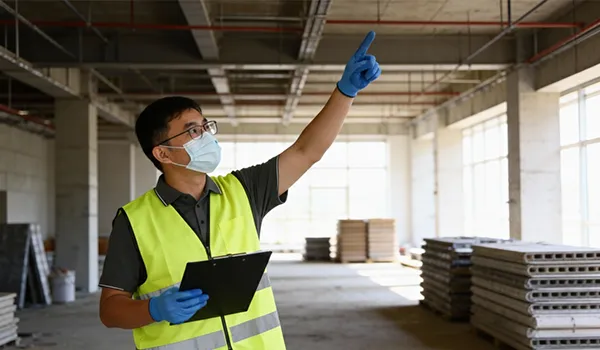
Construction cleaning services are needed by anyone preparing a newly built or renovated property for safe and comfortable use.
These services help remove dust, debris, and stains so the space is ready for move-in without health or safety risks.
People who commonly need construction cleaning include:
- Homeowners completing renovations or new builds
- Builders or developers preparing projects for handover
- Commercial property managers setting up spaces for tenants
- Real estate teams who want clean properties for listing or inspection
Tools and Equipment Used in Construction Cleaning
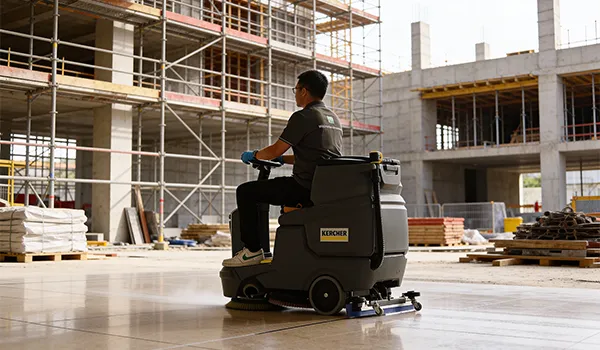
Tools and equipment used in construction cleaning help remove dust, debris, and stains fast and safely. These tools improve cleaning quality and make the property ready for use.
- HEPA Vacuum: Removes fine dust particles that regular vacuums cannot capture. Helps improve indoor air quality.
- Microfiber Cloths: Traps dust and wipes surfaces without scratching. Useful for fixtures, cabinets, and countertops.
- Dust Extractors: Controls airborne dust during and after construction. Helps reduce resettling on surfaces.
- Industrial Brooms and Brushes: Used for sweeping floors and collecting loose debris in the early cleaning stages.
- Scrapers and Blades: Remove dried paint, glue spots, cement marks, and other stubborn residue.
- Neutral pH Cleaners: Clean floors and surfaces without damaging tiles, vinyl, or polished materials.
- Floor Scrubbers: Restore floor shine by removing stains and construction buildup.
- Pressure Washers: Clean exterior areas such as driveways, patios, and walls by removing dirt and cement dust.
DIY vs Hiring Professional Construction Cleaners
DIY construction cleaning and professional cleaning both help prepare a property after building or renovation. But the results are not the same.
Construction dust settles in layers, sticks to surfaces, and moves through vents and airflows. This makes the cleaning process more detailed than many people expect.
What You Can Do Yourself
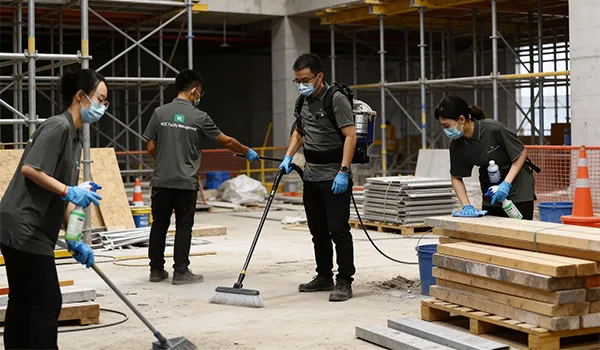
Homeowners can handle a few simple tasks on their own. Sweeping open floors, removing loose debris, or wiping easy-to-reach surfaces is manageable for small renovation projects.
Light cleaning helps reduce clutter and makes the area feel more organised. But deeper cleaning becomes challenging without the right equipment. Post-construction dust is very fine and does not disappear with basic sweeping.
It settles again and again, especially on high shelves, vents, lighting fixtures, and inside cabinets. Most DIY tools cannot remove this level of dust.
Professionals use HEPA vacuums and commercial-grade extractors that capture tiny particles that stay airborne for days. Without these tools, indoor air quality may stay poor long after the renovation.
Why Should You Hire a Professional Commercial Cleaner
Hiring a professional cleaner provides a safer, cleaner, and faster result. Professionals understand how dust spreads in new builds, how to remove paint spots without scratching surfaces, and how to clean around newly installed fixtures without causing damage.
They also clean areas that homeowners often overlook, such as vents, trims, window tracks, and above-cabinet spaces. Professional teams follow a clear process and use equipment made specifically for construction sites.
This means less dust, fewer hidden stains, and a more polished finish. Studies on indoor environments show that professional post-construction cleaning can significantly reduce fine dust particles, which helps protect people with allergies or breathing sensitivities.
For many property owners, choosing commercial cleaning is not about luxury. It is about saving time, avoiding repeated cleaning, and ensuring the space is truly ready for move-in. A well-cleaned property feels fresher, looks better, and makes the handover smoother.
Cost of Construction Cleaning Services
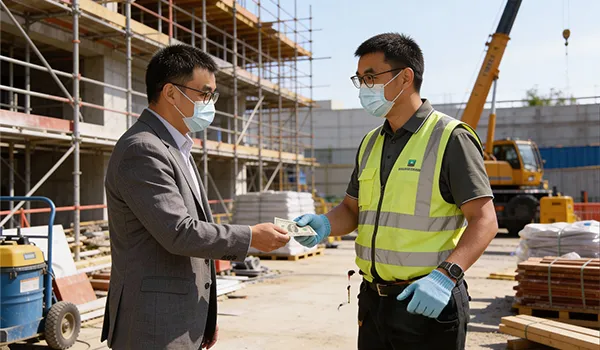
The cost of construction cleaning services depends on the size of the property, how much dust or debris is present, and the level of detail required.
Most companies in Melbourne calculate their pricing based on the total square meters and the type of cleaning stage needed. Smaller offices are normally cheaper because they take less time and require fewer cleaners.
Larger or heavily used construction sites cost more due to extra labour, tools, and sometimes repeated visits for touch-up cleaning.
Prices also increase when the site needs deep cleaning such as stain removal, floor scrubbing, glass polishing, or pressure washing for outdoor areas. These tasks take more time and require professional equipment.
In Melbourne, post-construction cleaning can vary widely, but most builders fall within a predictable price range. Below is a clear table to help you understand the average cost so you know what to expect when planning your handover.
Average Construction Cleaning Prices in Melbourne
| Property Type | Approx. Size | Estimated Price Range (AUD) |
| Small Apartment | Up to 80 sqm | $350 – $550 |
| Medium Home | 100 – 180 sqm | $550 – $950 |
| Large Home | 200 – 350+ sqm | $1,200 – $2,800+ |
| Commercial Space | Per sqm | $5 – $12 / sqm |
Conclusion
Construction cleaning is the final step that turns a busy worksite into a space people can safely use. It removes dust, debris, stains, and the small leftovers that appear throughout the building or renovation. This makes the property clean, healthy, and ready for handover.
A well-cleaned space also protects the new finishes you invested in by preventing scratches, dust buildup, and long-term wear.
Professional cleaners follow a structured process that includes rough cleaning, detailed cleaning, and touch-up cleaning.
They use the right tools for the job, which helps them remove fine dust and marks that normal cleaning often misses. This creates a cleaner and safer environment for owners, tenants, or buyers. It also makes inspections easier because every area looks polished and complete. As professional Cleaners provides different types of cleaning services so they have a proper knowledge to clean any types of business.