Commercial high-pressure cleaning has become a critical maintenance practice as commercial buildings face rising exposure to pollution, heavy vehicle traffic, industrial residue, and stricter environmental regulations.
Urban air quality studies show that particulate pollution accelerates facade discoloration and material wear, while workplace safety data consistently identify slips caused by oil and surface buildup as a leading cause of injury claims in commercial properties. At the same time, sustainability standards and stormwater regulations increasingly require controlled wastewater management during exterior cleaning.
In this context, commercial high-pressure cleaning provides a structured method for removing heavy contamination from durable surfaces while supporting safety, compliance, and long-term asset preservation, helping reduce accident risk, extend material lifespan, and maintain professional property standards.
In this guide, I will explain what commercial high-pressure cleaning is, how it works, what equipment is used, and which surfaces can be safely cleaned.
What Is Commercial High-Pressure Cleaning?
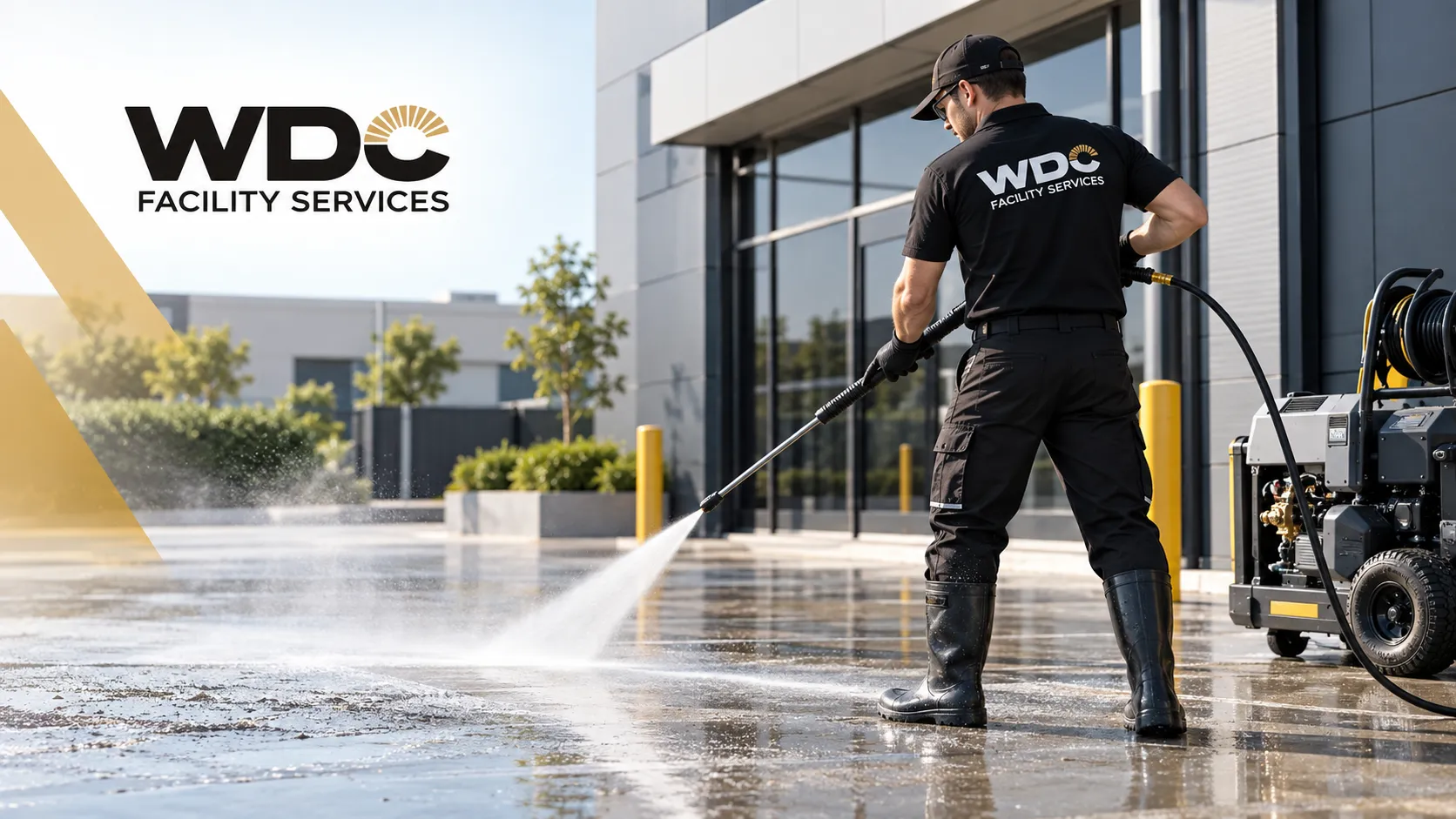
Commercial high-pressure cleaning is a professional cleaning method that uses powerful streams of pressurized water to remove stubborn dirt, grease, oil, mold, algae, and industrial buildup from large commercial and industrial surfaces. It is designed for heavy-duty environments where normal cleaning methods are not effective.
Commercial systems are much stronger than household machines. While home units usually operate below 2,000 PSI, commercial equipment typically ranges from 2,000 to 5,000 PSI, depending on the surface and contamination level.
Some industrial units operate at even higher pressures for concrete yards, loading docks, and heavy machinery. The high-pressure water breaks the bond between contaminants and the surface, making removal faster and more efficient.
Equipment Used in Commercial High-Pressure Cleaning
Commercial high-pressure cleaning uses industrial-grade tools built for power, durability, and safe operation in large commercial environments. These tools are designed to handle heavy contamination, high surface areas, and strict safety requirements.
Below is a list of the main equipment used in commercial high-pressure cleaning:
- Industrial pressure washers
- Hot water pressure washers
- Diesel, petrol, or electric-powered units
- High-pressure hoses
- Adjustable spray nozzles
- Turbo nozzles
- Rotary surface cleaners
- Telescopic extension wands
- Water storage tanks
- Chemical injection systems
- Degreasing and detergent applicators
- Wastewater recovery vacuums
- Filtration and water recycling systems
- Hose reels and safety shut-off systems
- Personal protective equipment such as gloves, boots, goggles, and face shields
What Surfaces Can Be Cleaned with Commercial High-Pressure Cleaning?
Commercial high-pressure cleaning can be used on many durable surfaces found in business and industrial environments. The key is adjusting pressure, temperature, and technique based on the material to prevent damage while achieving deep cleaning results.
Below are the most common commercial surfaces that benefit from professional high-pressure cleaning.
1. Building Exteriors and Facades
Building exteriors collect dust, vehicle emissions, mold, algae, and environmental pollutants over time. These contaminants not only affect appearance but can also weaken surface materials if left untreated.
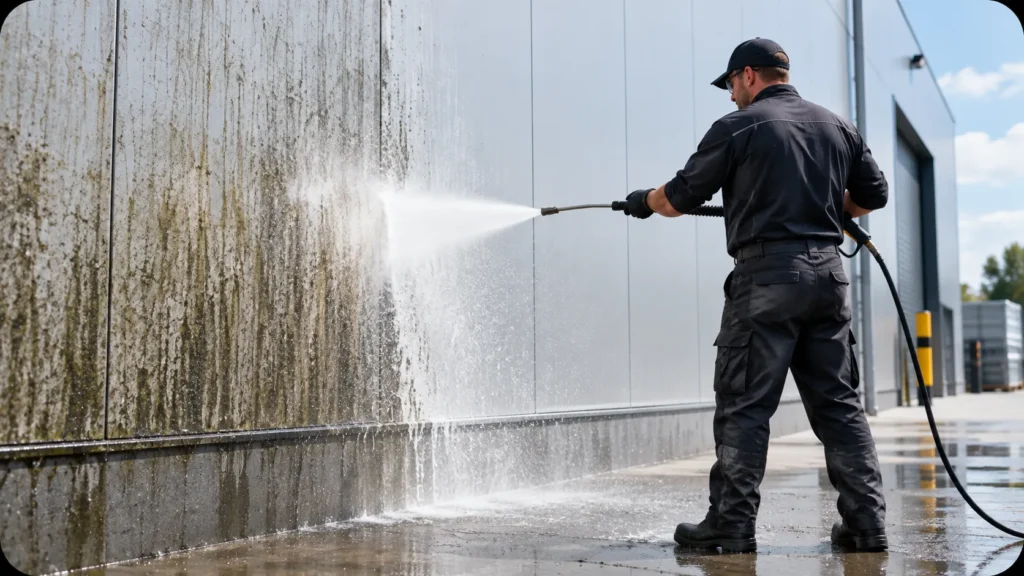
Research in urban construction shows that air pollution particles bond to stone, brick, and concrete surfaces, causing gradual discoloration and chemical wear. Biological growth such as algae traps moisture against walls, which can accelerate cracking and erosion.
2. Driveways, Parking Lots, and Footpaths
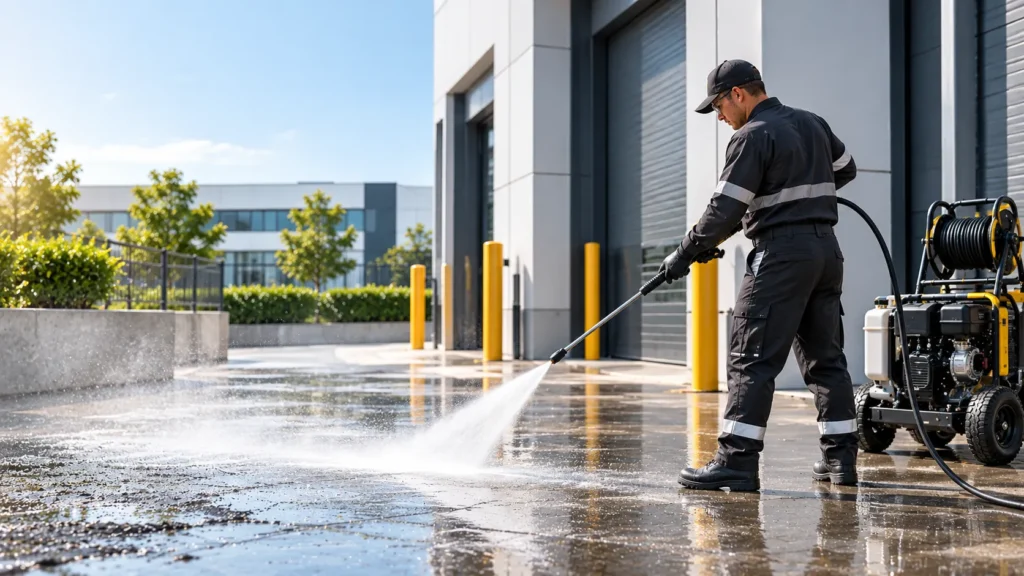
Driveways and parking areas experience constant vehicle traffic, oil leaks, tire marks, and dirt buildup. Over time, these surfaces become stained and slippery.
Oil and grease reduce surface traction, increasing the risk of slip and fall incidents. Workplace safety reports consistently show that slips remain one of the leading causes of injury claims in commercial properties.
Routine high-pressure cleaning removes oil residue and debris, improving both safety and visual appeal. Clean parking areas also reflect positively on the business, influencing customer perception from the moment they arrive.
3. Warehouses and Industrial Floors
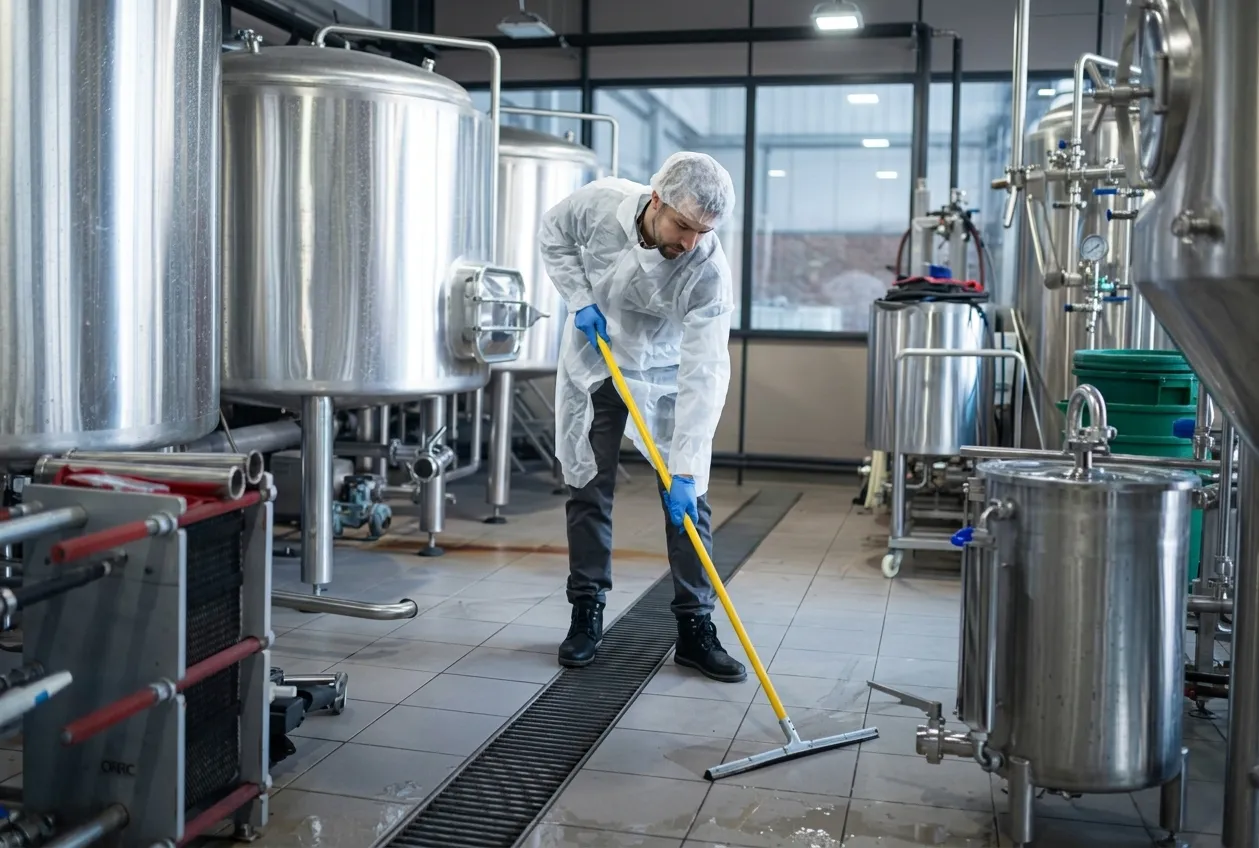
Warehouse and factory floors often accumulate dust, chemical residue, grease, and heavy grime. In industrial environments, buildup can happen quickly due to machinery use and material handling.
Maintaining clean floors is not only about appearance. It directly affects worker safety and regulatory compliance. Occupational safety data across multiple regions indicates that poor floor maintenance significantly contributes to workplace accidents.
4. Roofs and Gutters
Roofs and gutter systems are exposed to leaves, moss, dirt, and environmental debris throughout the year. When drainage systems become blocked, water can overflow and damage structural components.
Moisture trapped by moss and algae can shorten the life of roofing materials. In some cases, soft washing techniques are used instead of high-pressure jets to protect delicate roofing surfaces.
5. Heavy Machinery and Equipment
Industrial machinery often operates in dusty or greasy conditions. Residue buildup can hide mechanical wear, reduce efficiency, and increase fire risk in certain industries.
Regular high-pressure cleaning removes oil and grime, allowing maintenance teams to detect leaks, cracks, or loose components earlier. Preventive maintenance programs in sectors such as mining, logistics, and agriculture frequently include scheduled equipment cleaning to extend operational lifespan.
6. Outdoor Hospitality and Retail Areas
Outdoor dining areas, storefronts, sidewalks, and entryways play a major role in customer experience. Dirt, stains, and gum residue can quickly affect how a business is perceived.
Studies in retail and hospitality management consistently show that cleanliness influences customer trust and spending behavior. Visitors are more likely to return to spaces that appear clean and well maintained.
How Commercial High-Pressure Cleaning Works
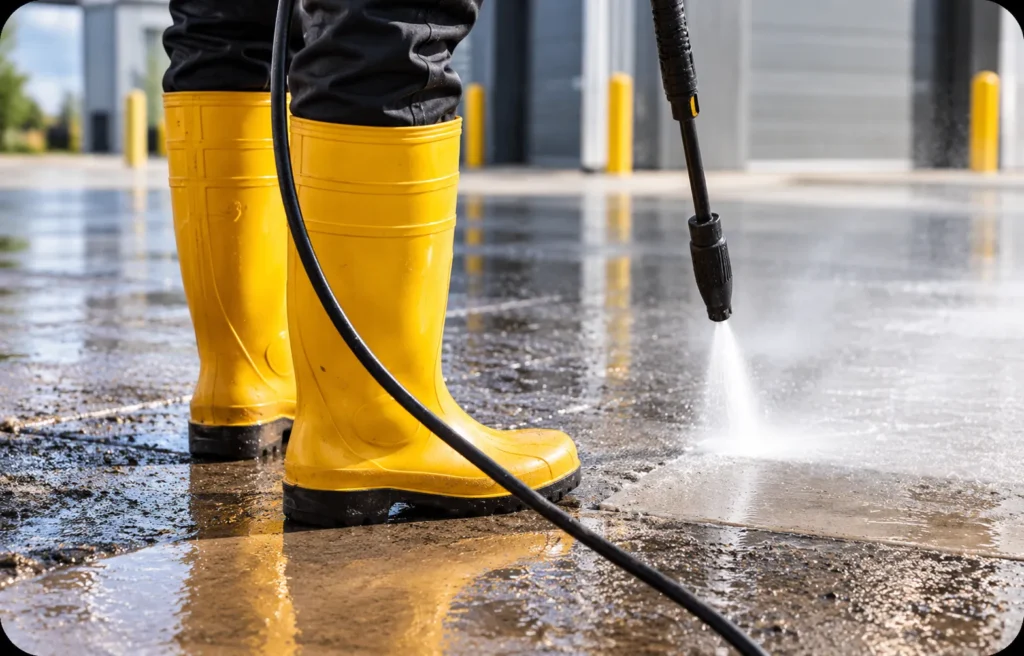
Commercial high-pressure cleaning follows a structured and controlled process. It starts with inspection and planning, then moves to pressure selection, surface treatment, washing, and final review. Each stage is designed to clean effectively while protecting the surface and surrounding environment.
The goal is not just to remove dirt. It is to remove it safely, efficiently, and in line with industry standards.
Surface Inspection and Risk Assessment
Surface inspection determines the material type, contamination level, and potential risks before cleaning begins. This step ensures the correct method is used and prevents costly damage.
Technicians examine whether the surface is concrete, brick, steel, asphalt, painted cladding, or composite panels. Every material responds differently to water pressure and temperature. For instance, older concrete may weaken under excessive force, while thick oil buildup on warehouse floors may require heat and degreasing agents.
Pressure and Temperature Selection
Pressure and temperature are selected based on the strength of the surface and the type of contamination present. Using the wrong setting can either leave residue behind or damage the material.
Cold water systems work well for dust, mud, and loose debris. Hot water systems, often reaching temperatures above 80 to 90 degrees Celsius, are more effective for breaking down grease and petroleum-based stains. Cleaning industry research shows that heated water can significantly reduce cleaning time when removing oil because heat softens and loosens stubborn residues.
Chemical Pre-Treatment and Degreasing
Chemical pre-treatment is used when pressure alone cannot remove stubborn contaminants. It prepares the surface for more effective washing.
Biodegradable detergents and degreasers are applied evenly and allowed to sit for a short period. This dwell time helps break down oil, algae, mold, and industrial residue. Once the contaminants loosen, high-pressure water removes them more efficiently.
High-Pressure Application Techniques
High-pressure cleaning requires controlled movement and the correct spray pattern to avoid streaking or uneven results. Technique plays a major role in final appearance and surface protection.
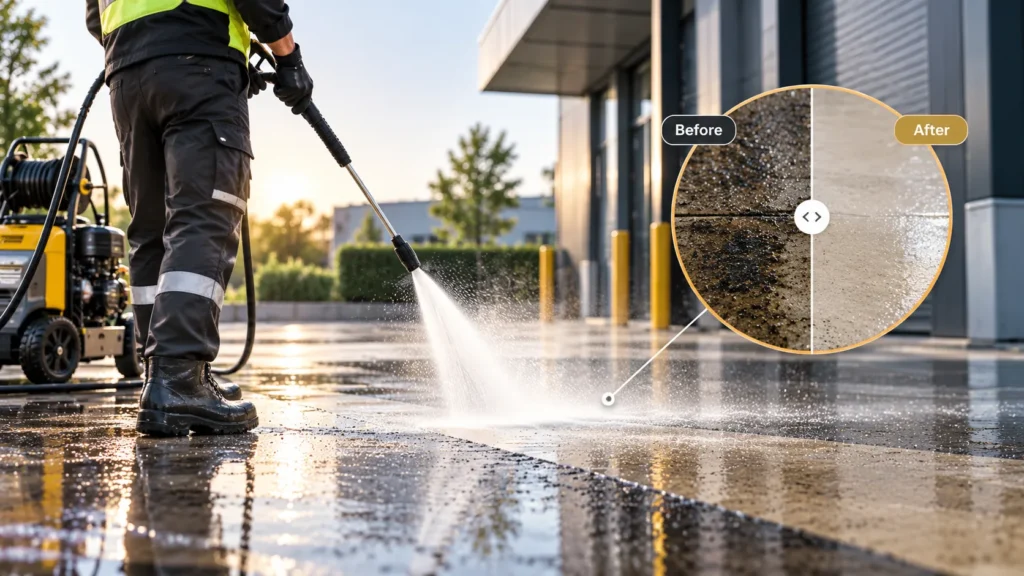
Operators use different nozzle angles to adjust impact strength. Narrow spray angles deliver concentrated force for heavy buildup, while wider angles provide broader coverage for general cleaning. Rotary surface cleaners are often used on flat surfaces like car parks because they provide consistent coverage and reduce water splash.
Rinsing, Runoff Control, and Final Inspection
Rinsing removes loosened debris and any remaining cleaning solution. Proper runoff control protects the environment and ensures regulatory compliance.
Many regions have strict stormwater rules that prevent contaminated water from entering public drainage systems. Professional cleaning teams often use containment barriers, vacuum recovery systems, or filtration equipment to collect wastewater, especially in industrial or commercial zones.
Soft Washing vs High-Pressure Cleaning: When to Use Each Method
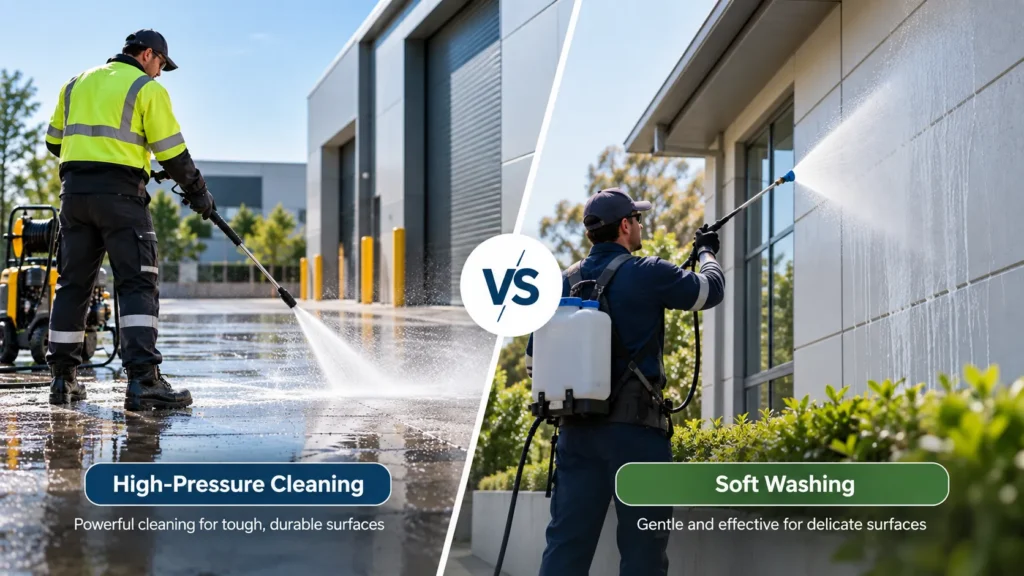
Soft washing and high-pressure cleaning are two professional exterior cleaning methods designed for different surface conditions. High-pressure cleaning relies on strong water force to remove thick dirt and industrial buildup. Soft washing uses low pressure combined with specialized cleaning solutions to treat delicate surfaces safely.
Choosing the wrong method can damage materials and increase long-term repair costs. That is why understanding where each technique works best is essential for commercial properties.
When to Use High-Pressure Cleaning
High-pressure cleaning is best suited for strong, durable surfaces that can withstand significant water force. It is commonly used in commercial and industrial settings where contamination is heavy and deeply embedded.
- Concrete parking lots and driveways
Removes oil stains, tire marks, and compacted dirt that standard cleaning cannot lift. - Warehouse and factory floors
Breaks down grease and industrial residue that create slip hazards. - Metal structures and heavy machinery
Clears hardened buildup that can affect performance and inspection visibility. - Brick walls and hard stone surfaces
Eliminates pollution stains and biological growth without chemical overuse.
Industry maintenance reports show that routine high-pressure cleaning on concrete surfaces can reduce surface deterioration and extend usable life, especially in high-traffic commercial zones.
When to Use Soft Washing
Soft washing is ideal for sensitive or coated surfaces where high pressure could cause damage. It relies more on cleaning solutions and controlled rinsing than on water force alone.
- Roof shingles and tiles
Removes moss and algae without loosening materials or shortening roof lifespan. - Painted walls and rendered surfaces
Prevents paint stripping and surface cracking. - Cladding, vinyl siding, and decorative panels
Safely treats mold and organic growth while preserving finish. - Outdoor hospitality areas with delicate materials
Protects surface appearance while maintaining hygiene.
Facility management studies indicate that excessive water pressure is a common cause of premature paint failure and facade damage. Using soft washing on fragile materials helps maintain structural integrity and reduces maintenance expenses over time.
Benefits of Commercial High-Pressure Cleaning for Businesses
Commercial high-pressure cleaning improves safety, protects property value, and supports compliance with health and environmental standards. It is not just about appearance. It is a preventive maintenance strategy that reduces risk and long-term repair costs.
Businesses that follow routine cleaning schedules often experience fewer accidents and lower structural damage over time. Clean facilities also create a stronger impression on clients, tenants, and regulators.
- Stronger visual appeal: Removes stains, algae, and pollution buildup. Clean buildings increase customer trust and enhance brand perception.
- Improved workplace safety: Clears oil, grease, and slippery residue from floors and walkways. This lowers the risk of slip and fall incidents, which remain a major cause of workplace injuries.
- Protection against structural damage: Prevents moisture retention, corrosion, and surface breakdown. Regular cleaning extends the lifespan of concrete, metal, and exterior finishes.
- Compliance with hygiene standards: Supports sanitation requirements in food, healthcare, and hospitality sectors.
- Lower long-term maintenance costs: Routine cleaning reduces the need for major repairs and surface restoration.
Recommended Frequency for Commercial High-Pressure Cleaning
The ideal cleaning frequency depends on industry type, location, and contamination level. Most commercial properties benefit from professional high-pressure cleaning at least once or twice per year, while high-traffic or industrial environments may require quarterly maintenance.
To make scheduling easier, the table below provides general frequency guidelines based on common commercial environments.
| Property Type or Surface Area | Recommended Cleaning Frequency |
| Office building exterior | Every 6 to 12 months |
| Retail storefront and sidewalks | Every 3 to 6 months |
| Parking lots and parking garages | Every 3 to 6 months |
| Industrial warehouses and factory floors | Every 3 months |
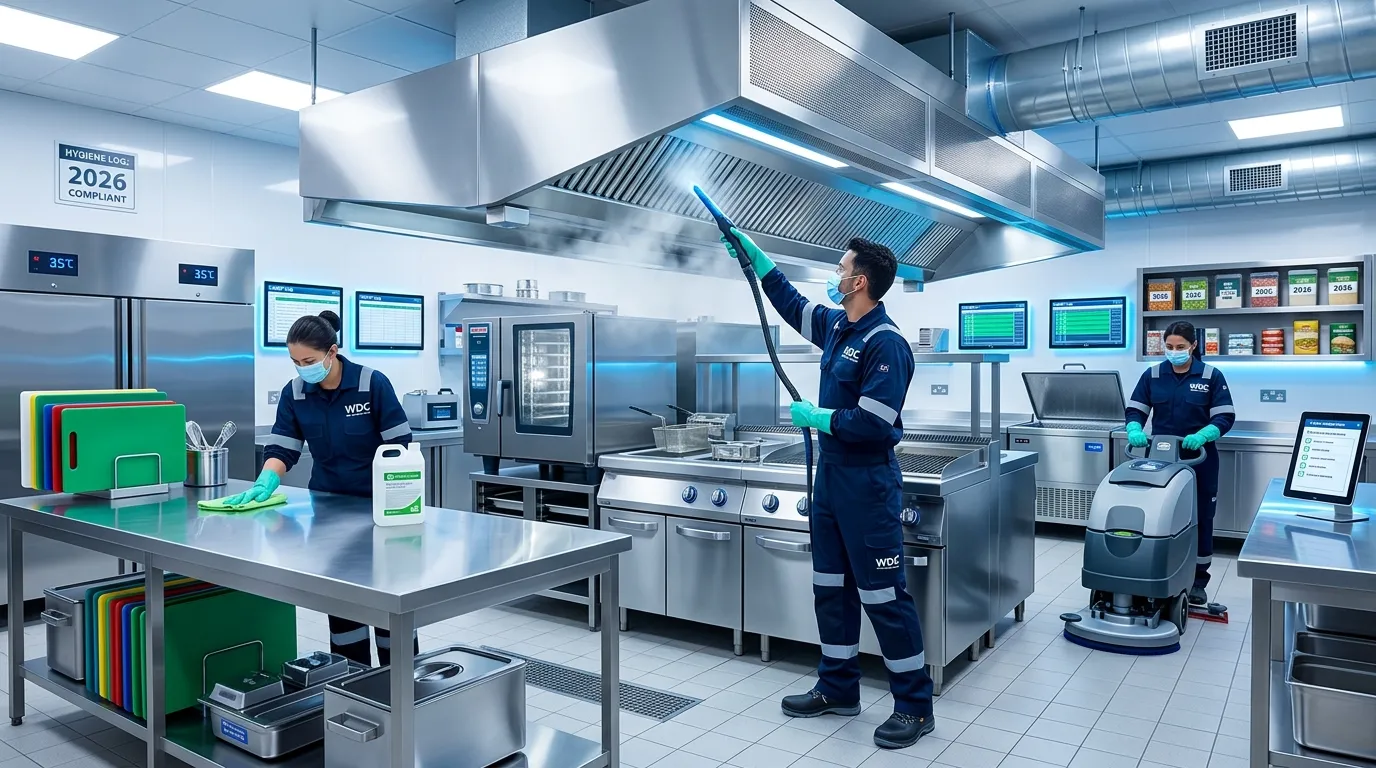
| Food processing facilities | Monthly or as required by regulation |
| Hospitality outdoor areas | Every 1 to 3 months |
| Roofs and gutters | Every 6 to 12 months |
| Heavy machinery and equipment | Every 1 to 3 months depending on usage |
Safety Guidelines in Commercial High-Pressure Cleaning
Commercial high-pressure cleaning involves high water force, heavy equipment, and chemical use. Without proper safety measures, it can cause injury, property damage, or environmental issues. Following strict safety guidelines protects workers, customers, and surrounding structures.
Below are the essential safety practices followed in professional commercial pressure cleaning.
Operator Training and PPE
- Certified operator training
Technicians are trained to handle high PSI systems, adjust pressure correctly, and understand surface compatibility before starting work. - Personal protective equipment
Operators wear gloves, eye protection, waterproof clothing, and slip-resistant boots to prevent injuries from water spray and debris. - Safe distance control
Maintaining the correct spray distance reduces the risk of skin injury and surface damage. - Awareness of surroundings
Workers are trained to monitor pedestrians, vehicles, and nearby equipment during cleaning.
Surface Protection Measures
- Pre-cleaning inspection
Surfaces are examined for cracks, weak paint, loose fixtures, and sensitive materials before applying pressure. - Covering vulnerable areas
Electrical outlets, glass panels, lighting fixtures, and plants are covered or shielded to prevent damage. - Correct pressure selection
PSI levels are adjusted based on surface type to avoid cracking, etching, or stripping. - Controlled spray angles
Proper nozzle selection and spray direction help prevent overspray and water intrusion.
How Much Does Commercial High-Pressure Cleaning Cost?
Commercial high-pressure cleaning costs depend on surface size, contamination level, access difficulty, and the type of equipment required. In most markets, businesses typically pay between 2 to 8 dollars per square meter for standard exterior surfaces, while heavy industrial cleaning can range from 8 to 20 dollars per square meter depending on complexity.
Pricing increases when surfaces require hot water systems, chemical degreasing, wastewater containment, or elevated access equipment. Multi-story buildings, tight industrial zones, and heavily stained concrete demand more labor time and specialized machinery, which directly affects the final quote.
Labor time plays a major role in total cost. The longer a surface takes to clean, the higher the project expense. Below is a general time and cost reference for common commercial cleaning scenarios. Actual rates vary by region and surface condition.
| Surface Type | Average Area Example | Estimated Time Required | Typical Cost Range |
| Small Retail Storefront | 200 to 400 m² | 2 to 4 hours | 400 to 1,200 USD |
| Parking Lot | 1,000 m² | 5 to 8 hours | 2,000 to 6,000 USD |
| Warehouse Floor | 2,000 m² | 1 to 2 days | 6,000 to 15,000 USD |
| Multi-Story Building Exterior | 3 to 5 floors | 2 to 4 days | 8,000 to 25,000 USD |
| Industrial Grease Removal | 500 to 1,000 m² | 1 full day | 4,000 to 12,000 USD |
Commercial High-Pressure Cleaning vs DIY: What Businesses Should Know
Commercial high-pressure cleaning is usually more effective and safer when handled by professionals rather than done in-house. While DIY pressure washing may seem cost-saving at first, commercial properties often require industrial equipment, technical knowledge, and regulatory awareness that go beyond basic cleaning.
Small consumer machines typically operate below 2,000 PSI with limited water flow. In contrast, commercial units can exceed 3,000 to 5,000 PSI with higher flow rates, allowing faster and deeper cleaning.
When large areas such as parking lots or warehouse floors are cleaned using underpowered equipment, the result is uneven removal of stains and extended labor time.
Improper use of pressure settings can also cause damage. Too much pressure can etch concrete, strip paint, or loosen protective coatings. Too little pressure leaves residue behind, creating the need for repeated cleaning.
Repairing damaged surfaces often costs far more than hiring trained professionals from the beginning.
Environmental compliance is another major factor. Wastewater from commercial cleaning may contain oil, chemicals, and debris.
Many local regulations require proper containment and disposal. Professional cleaning providers use filtration systems and recovery equipment to prevent contaminated runoff from entering storm drains.
For most businesses, outsourcing high-pressure cleaning reduces risk, ensures consistent quality, and protects against liability. Professional teams are insured, trained, and equipped to handle complex surfaces safely and efficiently.
Conclusion
Commercial high-pressure cleaning is a powerful and essential maintenance solution for businesses. It removes heavy contaminants, improves safety, protects structural integrity, and enhances public perception.
From warehouses and parking lots to hospitality venues and industrial facilities, routine cleaning supports operational efficiency and long-term asset protection. Proper equipment, trained operators, environmental responsibility, and safety practices ensure effective results without unnecessary risk.
By understanding how commercial high-pressure cleaning works, how often it should be scheduled, and how to select the right service provider, businesses can make informed decisions that protect both their property and their reputation.