Industrial cleaning refers to the controlled removal of industrial waste, chemical residue, combustible dust, and production buildup from factories, warehouses, and processing facilities.
In Australia, Safe Work Australia reports that manufacturing and heavy industry continue to record thousands of workplace injuries each year, with poor housekeeping and exposure to hazardous substances identified as contributing factors.
Industrial sites also operate under strict environmental and workplace safety laws, including Work Health and Safety regulations that require effective risk control and contamination management.
In high-output facilities, residue buildup can reduce equipment efficiency and increase fire or explosion risks, particularly in dust-generating environments. Effective industrial cleaning improves safety, compliance, equipment reliability, and long-term operational stability.
This guide explains what industrial cleaning really means, how it differs from regular cleaning, what services are available, what equipment and chemicals are used, and when businesses actually need it.
What Is Industrial Cleaning?
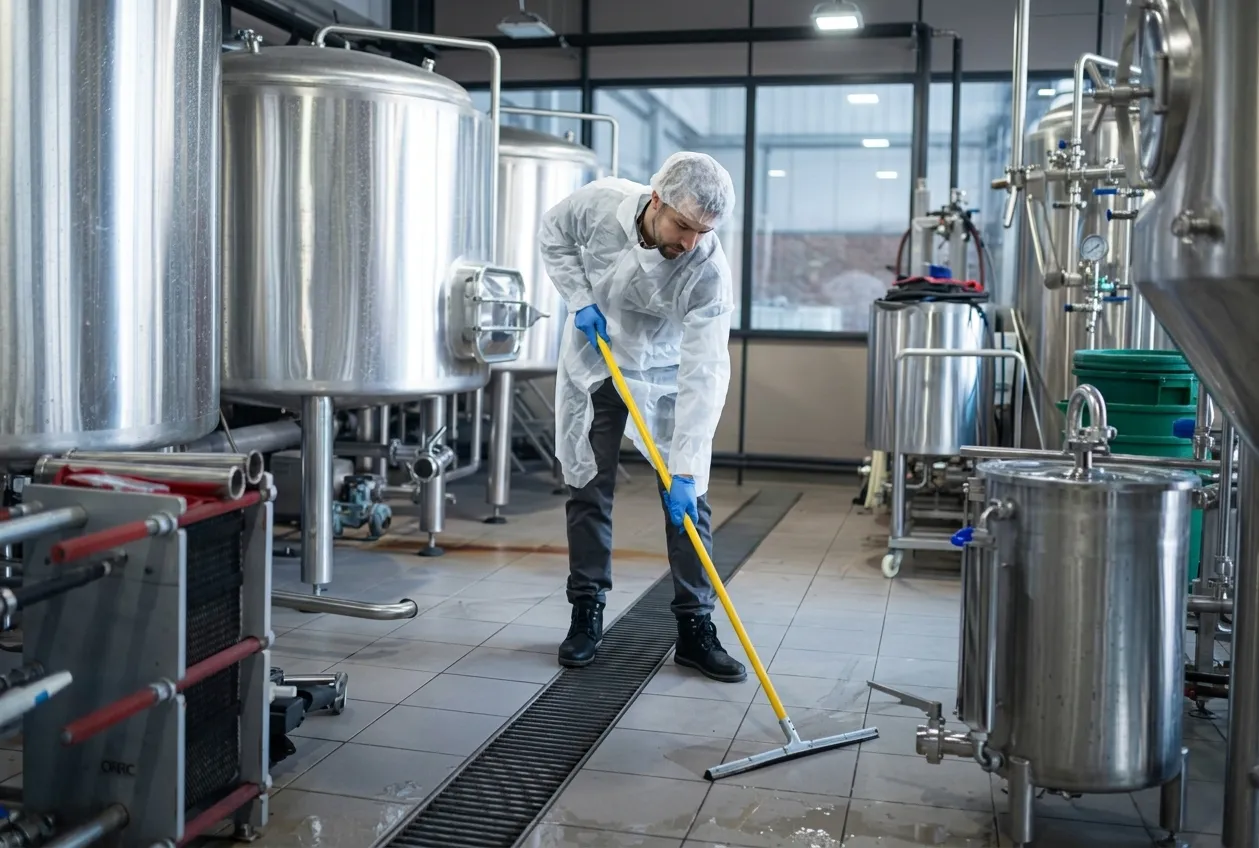
Industrial cleaning is the professional cleaning of factories, plants, warehouses, and heavy production facilities where machinery, chemicals, and industrial waste are present. It focuses on safety, compliance, and operational performance rather than just surface appearance.
In simple terms, industrial cleaning means removing grease, chemical residue, dust, sludge, and production buildup that regular cleaning cannot handle.
These environments often contain oil spills, combustible dust, and hazardous materials that require trained workers and specialized equipment. The U.S. Chemical Safety Board has linked several industrial fires and explosions to dust accumulation, showing how critical proper cleaning is.
Industrial cleaning may involve high pressure systems, confined space entry, and regulated waste disposal. Workers use protective gear and follow strict safety procedures to reduce risk.
What Types of Industrial Cleaning Services Are Available?
Industrial cleaning services vary depending on facility type, contamination level, and safety requirements. Each service addresses a specific operational challenge.
These services range from routine deep cleaning to emergency hazardous waste response.
- Factory and Warehouse Deep Cleaning
- Machinery and Production Line Cleaning
- Tank and Silo Cleaning
- High Pressure and Hydroblasting Services
- Hazardous Waste Removal
- Dust and Ventilation System Cleaning
- Emergency Industrial Cleaning Services
1. Factory and Warehouse Deep Cleaning
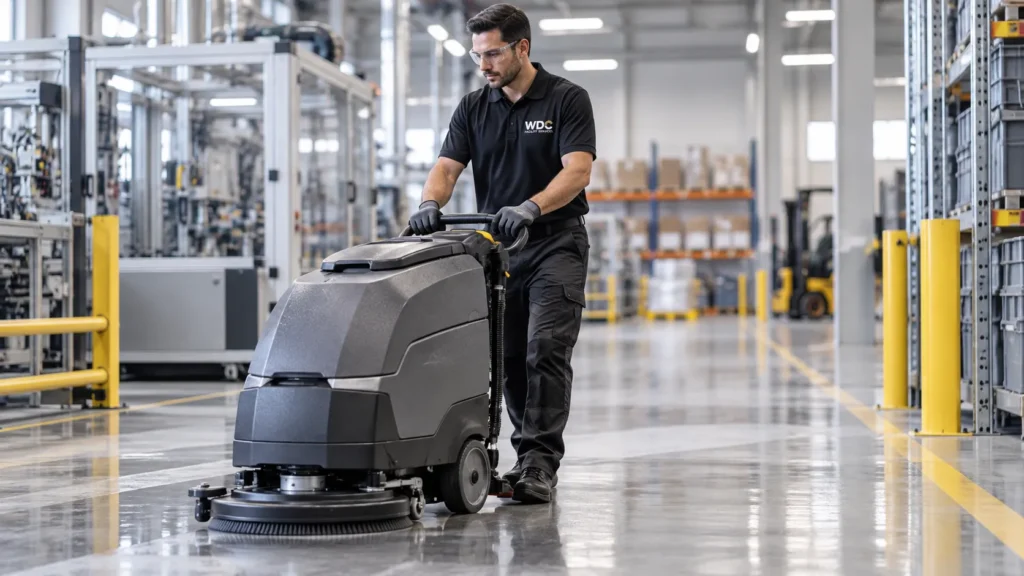
Factory and warehouse deep cleaning removes built-up dust, grease, debris, and waste from floors, ceilings, storage areas, and structural surfaces. It improves air quality and reduces accident risks.
Large facilities accumulate dust particles that affect ventilation systems and employee health. Studies from the World Health Organization link poor indoor air quality to respiratory conditions and reduced productivity.
Deep cleaning also reduces slip hazards. The National Floor Safety Institute reports that slips and falls account for over one million hospital visits annually. Removing oil and residue from industrial floors lowers this risk.
2. Machinery and Production Line Cleaning
Machinery cleaning focuses on removing grease, residue, metal shavings, and buildup from production equipment. It protects machinery lifespan and prevents breakdowns.
Manufacturers often schedule cleaning during planned shutdowns. According to industry maintenance studies, predictive and preventive maintenance can reduce breakdowns by up to 70 percent.
Clean machinery runs more efficiently. Reduced friction and contamination improve energy efficiency and product quality.
3. Tank and Silo Cleaning
Tank and silo cleaning removes sludge, chemical residue, and accumulated materials from storage units. It prevents contamination and structural damage.
Confined space cleaning requires strict safety protocols. OSHA defines tanks and silos as permit-required confined spaces due to oxygen deficiency and toxic exposure risks.
Professional teams use ventilation systems, gas monitoring devices, and specialized extraction tools to complete the process safely.
4. High Pressure and Hydroblasting Services
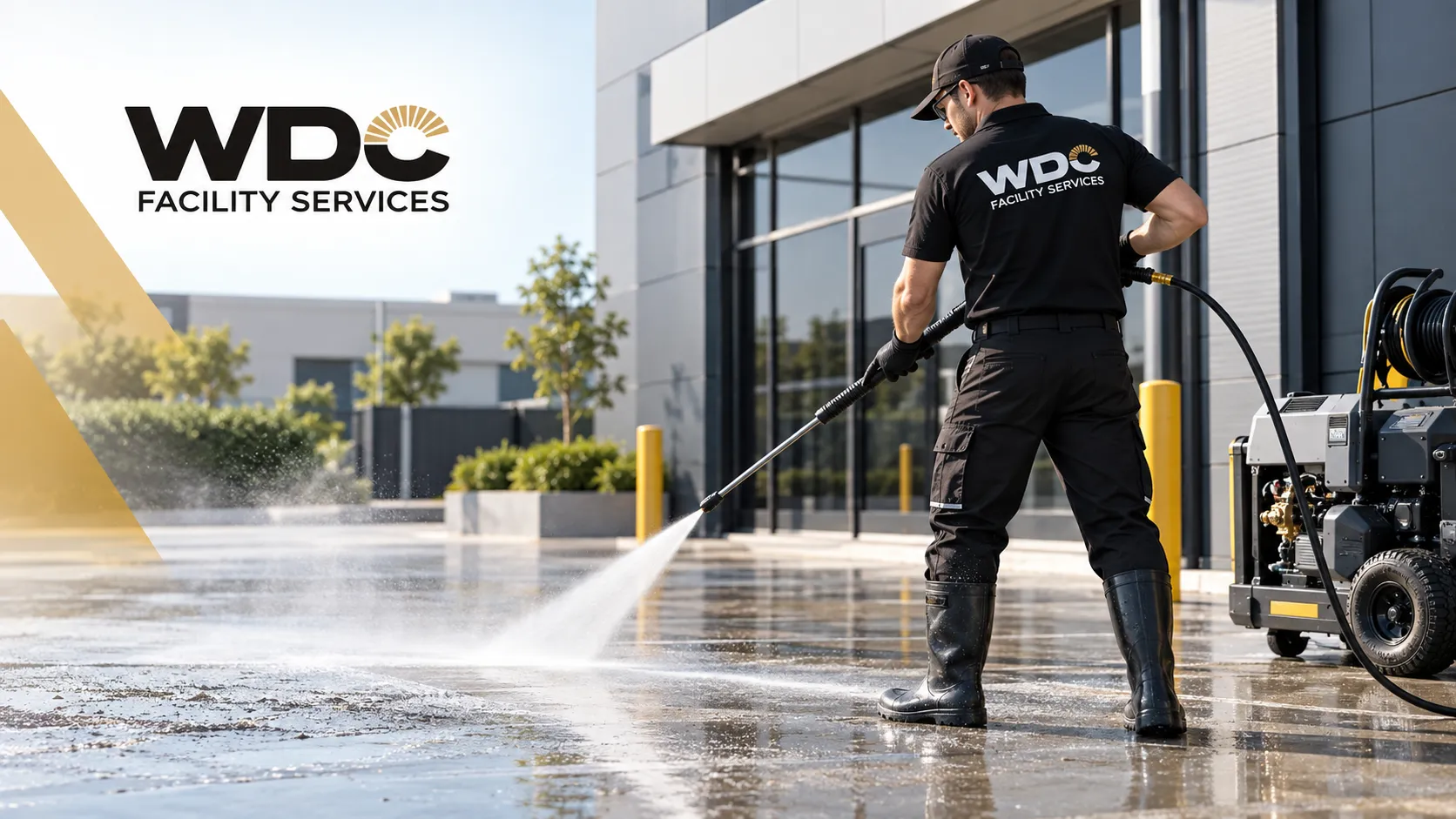
Hydroblasting uses high-pressure water jets to remove hardened deposits, paint, rust, and industrial buildup. It is effective for heavy-duty cleaning tasks.
Pressures can exceed 20,000 PSI depending on the application. This method is often used in refineries, power plants, and shipyards.
Hydroblasting avoids harsh chemicals while delivering strong cleaning results. It also prepares surfaces for maintenance or coating.
5. Hazardous Waste Removal
Hazardous waste removal involves the safe collection, containment, and disposal of toxic substances. This includes chemicals, contaminated materials, and industrial byproducts.
Improper disposal can result in heavy fines and environmental damage. The Environmental Protection Agency enforces strict hazardous waste management regulations under the Resource Conservation and Recovery Act.
Professional industrial cleaners ensure compliance with transport, labeling, and disposal requirements.
6. Dust and Ventilation System Cleaning
Dust removal from ventilation systems reduces fire hazards and improves air quality. Combustible dust explosions have caused severe industrial accidents worldwide.
Regular cleaning prevents accumulation in ducts, fans, and overhead structures. Improved airflow also reduces strain on HVAC systems, lowering energy costs.
7. Emergency Industrial Cleaning Services
Emergency industrial cleaning addresses unexpected spills, accidents, or contamination events. Rapid response prevents operational shutdowns and environmental damage.
Spills involving chemicals or oil require immediate containment. Quick intervention reduces legal liability and production loss.
According to risk management studies, downtime can cost manufacturing facilities thousands of dollars per hour. Fast cleanup minimises financial impact.
What Equipment and Chemicals Are Used in Industrial Cleaning?
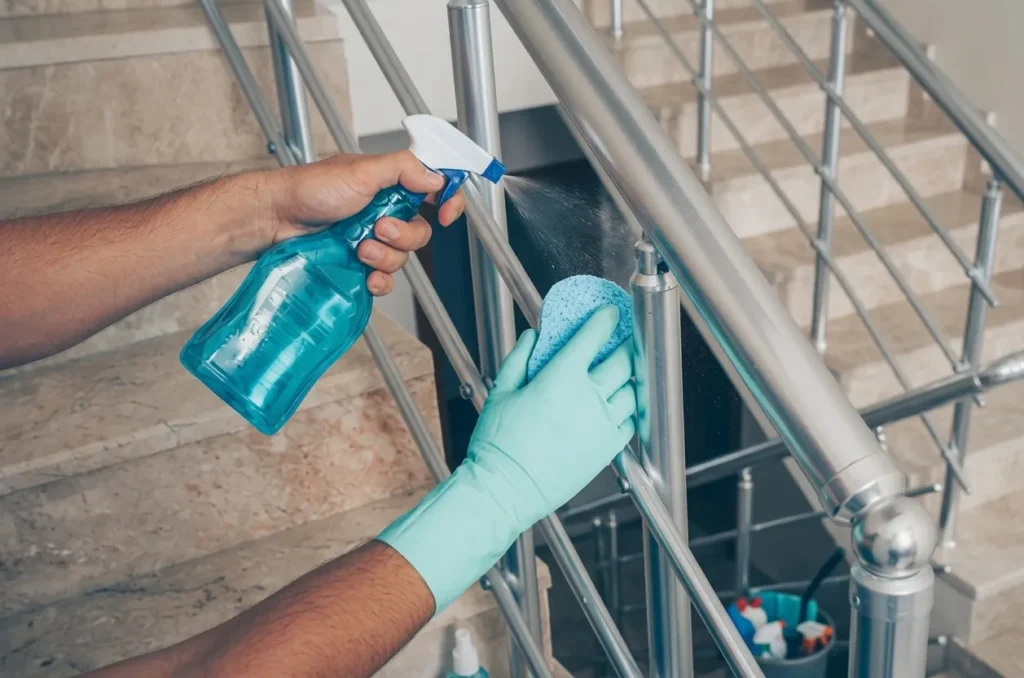
Industrial cleaning depends on heavy-duty equipment and approved chemicals that can safely remove grease, dust, chemical residue, and industrial waste.
The right tools not only improve cleaning speed but also protect workers and machinery. In regulated industries, equipment selection also affects compliance and environmental safety.
Below are the most commonly used tools and cleaning agents in industrial facilities:
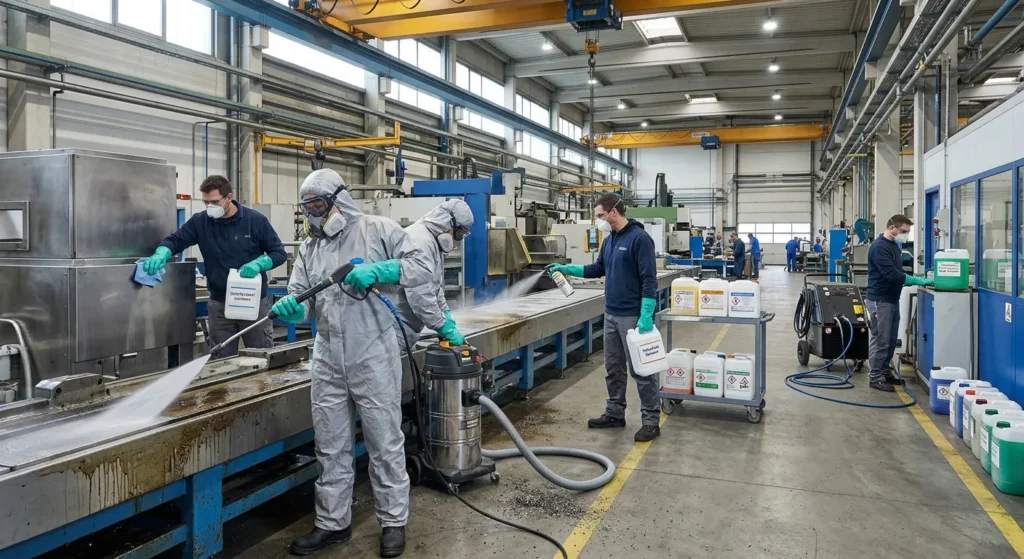
- High pressure washers – Use powerful water jets to remove hardened dirt, sludge, paint, and buildup from floors, walls, and machinery surfaces.
- Industrial vacuum systems – Extract dust, metal shavings, and hazardous particles, including combustible dust in sensitive environments.
- Hydroblasting units – Deliver ultra high pressure water for heavy scale and residue removal without harsh chemicals.
- Industrial degreasers – Break down oil, grease, and lubricant buildup on machinery and production lines.
- Solvents – Dissolve stubborn chemical residues and contaminants on metal or coated surfaces.
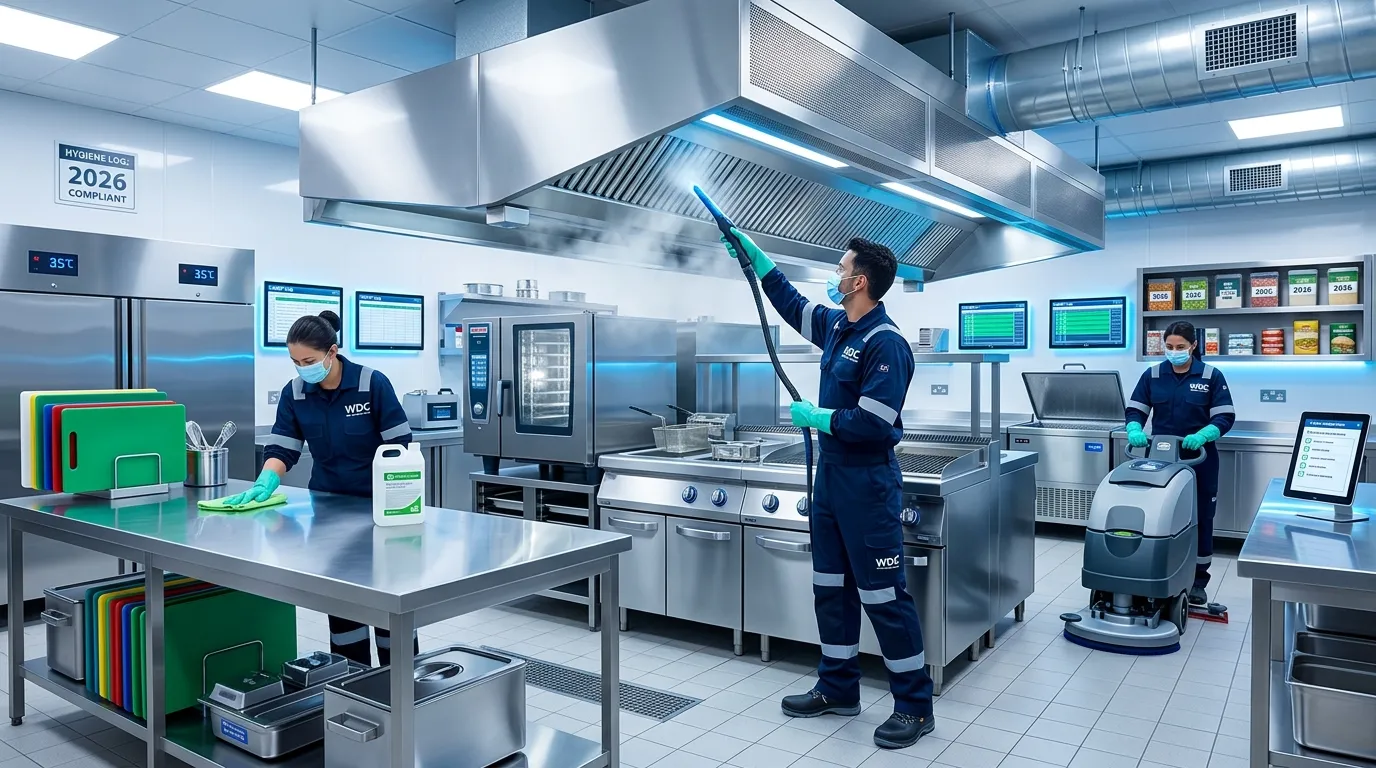
- Disinfectants and sanitizers – Used in food and pharmaceutical plants to control bacteria and prevent contamination.
- Eco friendly cleaning agents – Reduce toxic exposure and environmental impact while maintaining performance.
- Personal protective equipment PPE – Includes respirators, gloves, suits, and eye protection to ensure worker safety during cleaning operations.
Difference between Industrial Cleaning vs Commercial Cleaning
Industrial cleaning and commercial cleaning serve different purposes. Industrial cleaning supports production safety and regulatory compliance, while commercial cleaning focuses on maintaining hygiene and appearance in public or office spaces.
Understanding the difference helps businesses choose the right service and avoid operational or legal risks.
| Comparison Area | Industrial Cleaning | Commercial Cleaning |
| Environment | Factories, plants, warehouses, refineries, production facilities | Offices, malls, schools, hospitals, retail spaces |
| Main Purpose | Safety, compliance, equipment protection, contamination control | Cleanliness, hygiene, visual appearance |
| Type of Work | Machinery cleaning, tank cleaning, hazardous waste removal, dust control | Floor cleaning, restroom sanitation, trash removal, surface wiping |
| Equipment Used | Hydroblasting systems, industrial vacuums, chemical pumps, safety gear | Mops, standard vacuums, cleaning chemicals, floor machines |
| Risk Level | High risk due to chemicals, confined spaces, heavy equipment | Low to moderate risk |
| Frequency | Based on maintenance schedules or shutdown periods | Daily or weekly routine cleaning |
| Cost Impact | Higher cost but prevents downtime and compliance fines | Lower cost with predictable routine budgets |
When Do You Need Industrial Cleaning?
Industrial cleaning is needed when contamination, safety risks, regulatory requirements, or operational decline make routine cleaning insufficient. It protects both people and productivity.
Recognizing the right timing prevents larger problems from developing.
1. After Construction or Renovation
Industrial facilities often require deep cleaning after construction or renovation projects. Dust, debris, and leftover materials can interfere with machinery and air systems.
Construction dust can clog ventilation ducts and settle inside production equipment. Studies on indoor air quality show that fine particulate matter can reduce air quality and increase respiratory risks for workers.
A post-construction industrial clean ensures the facility is safe before operations resume.
2. During Equipment Shutdown or Maintenance
Scheduled shutdowns are ideal times for industrial cleaning. Production pauses allow teams to clean machinery and structural areas safely.
Preventive maintenance studies show that companies using planned maintenance strategies reduce equipment breakdowns and improve overall reliability.
Cleaning during shutdown reduces contamination that may shorten equipment lifespan or affect product quality.
3. After Chemical Spills or Contamination
Chemical spills demand immediate industrial cleaning. Delays can increase environmental damage and legal liability.
The Environmental Protection Agency enforces strict spill reporting and remediation rules. Failure to respond properly can result in significant fines.
Professional cleaning teams contain, neutralize, and safely dispose of hazardous substances to prevent long-term impact.
4. To Meet Regulatory or Compliance Requirements
Industrial facilities must meet health, safety, and environmental regulations. Cleaning is often required to pass inspections.
Industries such as food production and pharmaceuticals operate under strict sanitation guidelines. Regular cleaning ensures compliance with national and international standards.
Non-compliance can lead to production shutdowns, recalls, or penalties.
5. When Productivity or Safety Starts Declining
If employees experience more accidents, equipment malfunctions, or poor air quality, cleaning may be overdue.
Research in occupational health shows that clean work environments improve employee morale and reduce absenteeism.
A decline in operational efficiency often signals hidden contamination or maintenance issues that industrial cleaning can resolve.
How the Industrial Cleaning Process Works
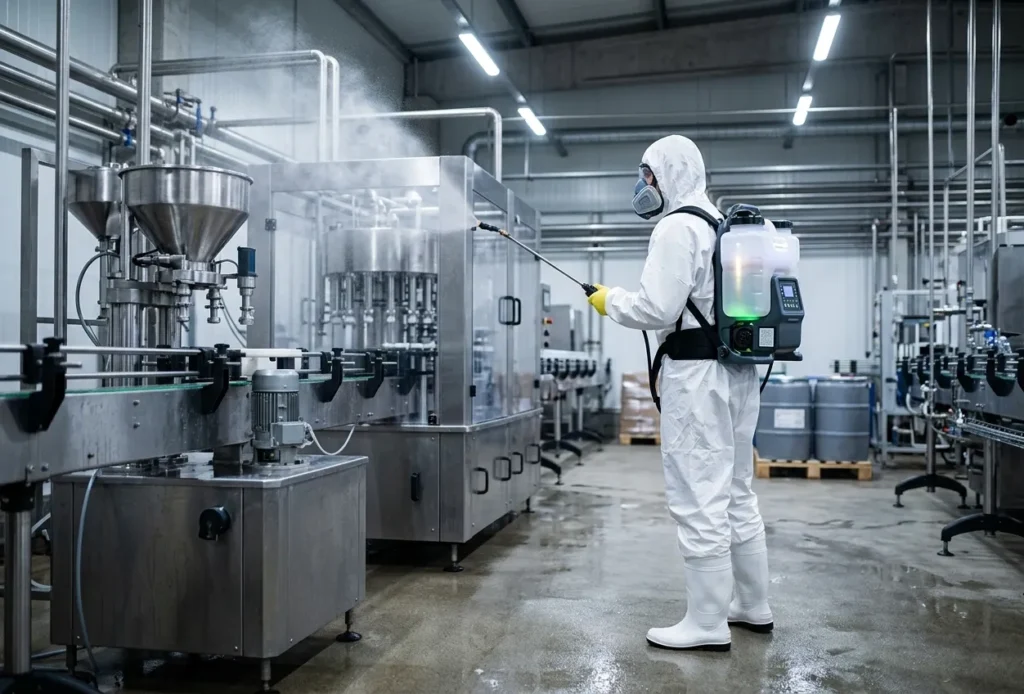
Industrial cleaning follows a structured process to ensure safety, efficiency, and compliance. It is not random or rushed.
Each phase is carefully planned to reduce risk and downtime.
Site Assessment and Risk Evaluation
The process begins with a detailed site assessment. Cleaning professionals evaluate contamination levels, hazards, confined spaces, and equipment layout.
Risk evaluation identifies chemical exposure, combustible dust, and structural concerns. Gas monitoring and air quality testing may be conducted.
This step ensures that the cleaning plan matches the facility’s specific needs.
Planning and Safety Preparation
After assessment, a cleaning plan is created. This includes scheduling, equipment selection, safety procedures, and waste disposal planning.
Workers receive safety briefings and wear appropriate protective equipment. Confined space entry permits and lockout procedures may be required.
Proper preparation reduces the likelihood of accidents and operational disruption.
Execution Using Specialized Equipment
Cleaning teams carry out the work using industrial-grade tools and approved chemicals.
High-pressure systems remove buildup. Industrial vacuums capture hazardous dust. Chemical treatments dissolve grease or residue.
The process is closely supervised to ensure compliance with safety regulations.
Inspection and Compliance Verification
After cleaning, inspection confirms that contamination has been removed and standards are met.
Air quality tests, surface checks, and documentation may be required. In regulated industries, records are often maintained for audits.
Verification ensures that the facility is safe to resume full operations.
Why Industrial Cleaning Is Important for Business Operations
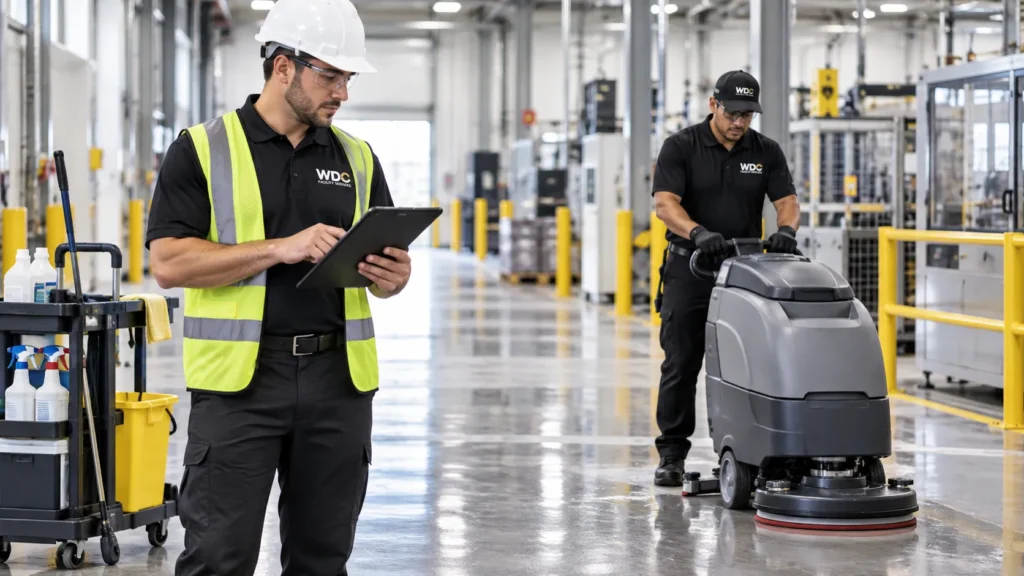
Industrial cleaning directly supports safety, compliance, equipment performance, and long term productivity. It is not only about cleanliness. It protects the entire operation.
Workplace Safety and Accident Prevention
A clean industrial facility reduces real and measurable risks. Oil on floors, dust on beams, and chemical residue on surfaces increase the chances of slips, fires, and respiratory problems.
According to the National Safety Council, workplace injuries cost businesses more than 160 billion dollars annually. Poor housekeeping is one of the most common contributing factors. Removing buildup and contamination lowers incident rates and creates a safer environment for employees.
Equipment Longevity and Performance
Machines work better when they are clean. Dirt, grease, and debris increase friction and heat, which reduces efficiency.
Industrial maintenance research shows that preventive care can significantly extend machinery lifespan. Regular cleaning prevents corrosion, reduces unexpected breakdowns, and protects production quality.
Regulatory Compliance and Operational Stability
Industrial facilities must follow strict environmental and safety regulations. Failure to maintain proper sanitation can lead to fines, inspections, or shutdowns.
Clean environments also improve workflow. Workers move more safely and efficiently in organized spaces. Proper cleaning reduces downtime, supports compliance, and protects both business reputation and long term operational stability.
Can Industrial Cleaning Be Outsourced?
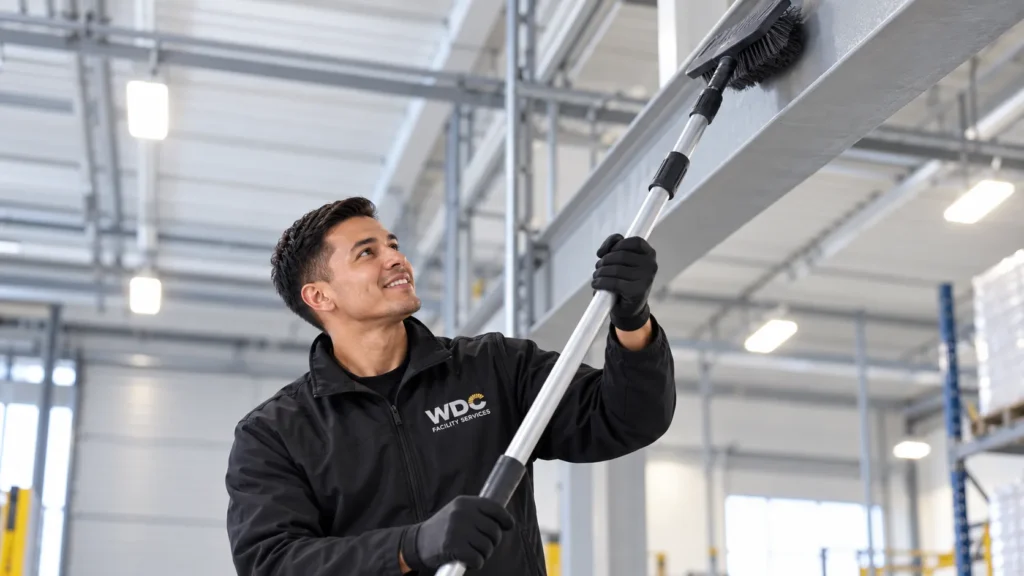
Industrial cleaning can be outsourced to specialized service providers who have trained staff, advanced equipment, and compliance expertise. Many businesses choose outsourcing to reduce risk and focus on core operations.
Benefits of Hiring Professionals
Hiring professional industrial cleaners improves safety, efficiency, and compliance. These teams are trained to handle hazardous environments and complex cleaning tasks.
Professional contractors often hold certifications related to confined space entry, hazardous material handling, and safety management systems. This reduces legal and operational risk for facility owners.
According to industry risk studies, companies that use certified safety contractors report fewer workplace incidents compared to facilities relying only on internal staff. Professional cleaners also bring advanced equipment that most facilities do not own, such as high-capacity vacuums and hydroblasting systems.
When In-House Cleaning Is Not Enough
In-house cleaning teams are suitable for routine housekeeping and light maintenance. However, they may not be equipped to handle hazardous waste, confined spaces, or heavy machinery cleaning.
Specialized industrial cleaning often requires permits, advanced PPE, gas monitoring systems, and regulated waste disposal methods. These are not typically part of standard in-house operations.
Cost Considerations
Outsourcing industrial cleaning involves direct service costs, but it may reduce long-term expenses.
Equipment purchases, training programs, safety compliance measures, and insurance coverage can be expensive for in-house teams. Outsourcing transfers many of these responsibilities to the contractor.
Research in facility management shows that preventive outsourcing strategies often reduce total maintenance costs over time by preventing major breakdowns and regulatory penalties.
How to Choose the Right Industrial Cleaning Company
Choosing the right industrial cleaning company requires evaluating certifications, experience, safety standards, and technical capability. The wrong choice can create safety risks and compliance problems.
A careful evaluation process ensures reliable results and long-term partnership value.
Certifications and Compliance Standards
A reputable industrial cleaning company should follow national and international safety standards. Certifications related to occupational safety, hazardous material handling, and environmental compliance are strong indicators of professionalism.
Look for documented safety programs, proper licensing, and clear insurance coverage. Companies that comply with OSHA and environmental guidelines demonstrate accountability.
Experience in Your Industry
Industrial cleaning is not the same across all sectors. A food processing plant has different needs than an oil refinery.
Experience in your specific industry ensures that the contractor understands contamination risks, operational flow, and compliance requirements.
Safety Record and Insurance
A strong safety record reflects responsible management and training. Ask about past incidents, safety metrics, and emergency response procedures.
Insurance coverage is essential. Industrial cleaning carries inherent risks, and proper insurance protects both the service provider and the facility owner.
Equipment and Technology Used
Modern industrial cleaning relies on advanced equipment and monitoring systems.
High-capacity vacuums, hydroblasting units, remote-operated cleaning tools, and air quality testing devices improve both efficiency and safety.
Customisation and Service Flexibility
Every industrial facility operates differently. Cleaning plans should be tailored to production schedules and contamination levels.
Flexible scheduling during shutdown periods reduces downtime. Custom service plans allow businesses to scale cleaning frequency based on operational needs.
How Often Should Industrial Facilities Be Cleaned?
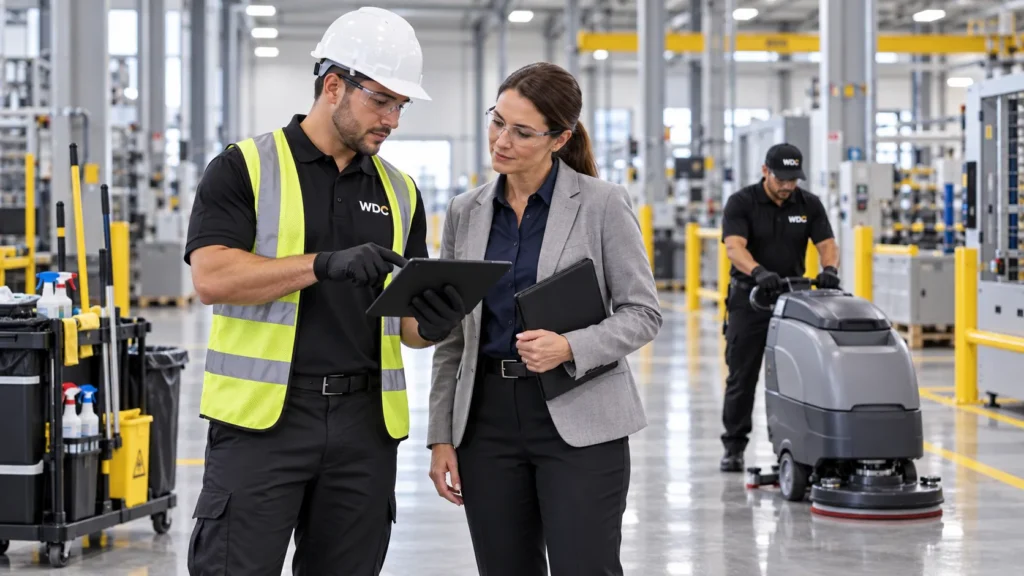
Industrial facilities should be cleaned based on risk level, production intensity, and regulatory pressure rather than a fixed calendar. There is no one-size-fits-all schedule. A low-volume warehouse will not require the same cleaning frequency as a food processing plant or chemical facility.
Below is a general comparison to guide planning:
| Cleaning Level | Typical Frequency | Purpose | Example Environments |
| Routine Safety Cleaning | Daily | Remove spills, dust, and waste to prevent slips and hazards | Manufacturing floors, active warehouses |
| Operational Maintenance Cleaning | Weekly | Clean machinery surfaces and ventilation areas | Assembly lines, packaging units |
| Deep Preventive Cleaning | Monthly or Quarterly | Remove buildup inside equipment, ducts, and tanks | Heavy manufacturing, processing plants |
| Shutdown Intensive Cleaning | During scheduled shutdown | Full system cleaning and compliance preparation | Refineries, large production facilities |
Frequently Asked Questions About Industrial Cleaning
How much does industrial cleaning cost?
Industrial cleaning costs depend on facility size, contamination level, and risk exposure. Pricing is usually based on square footage or project scope. High risk or emergency jobs cost more. However, proper cleaning often prevents costly downtime, repairs, and regulatory fines.
Is industrial cleaning dangerous?
Industrial cleaning involves risks like chemical exposure, confined spaces, and heavy equipment. Without training, it can be unsafe. Professional teams follow strict safety procedures and use protective gear. With certified staff and proper planning, the process is controlled and safe.
How long does industrial cleaning take?
The time required depends on the facility size and cleaning complexity. Small jobs may take a few hours, while large shutdown cleaning can last several days. Careful planning and experienced crews help complete the work efficiently and safely.
What regulations apply to industrial cleaning?
Industrial cleaning must follow workplace safety and environmental regulations. These include occupational health standards and hazardous waste rules. Authorities enforce compliance to protect workers and the environment. Failing to meet regulations can lead to fines or shutdowns.
Do industrial cleaning companies provide emergency services?
Yes, many industrial cleaning companies provide emergency response for spills and contamination. Fast action reduces downtime and environmental damage. Trained teams quickly contain hazards and restore safe operating conditions to prevent further risk.
Final Thoughts
Industrial cleaning is more than a maintenance task. It is a critical component of safe and efficient industrial operations.
Clean facilities reduce workplace accidents, protect equipment lifespan, and ensure compliance with safety and environmental regulations. They also improve employee morale and operational performance.
Ignoring industrial cleaning can lead to equipment failure, regulatory fines, and serious safety incidents. Proactive cleaning strategies prevent these risks before they escalate.