Commercial cleaning is essential for maintaining hygiene across modern workplaces.
Rising expectations for cleanliness, stricter health regulations, and increased awareness of infection control have made professional cleaning vital in offices, healthcare facilities, schools, industrial sites, and customer-facing environments. Industry data reflects this shift:
The global commercial cleaning market is projected to exceed $468 billion by 2027 (Allied Market Research), driven by expanding facilities and demand for specialized services.
Different sectors require different cleaning approaches because each environment carries its own safety, contamination, and maintenance challenges.
While many subcategories exist within the industry, this guide focuses on the major cleaning types recognized across commercial and institutional properties.
The primary categories covered include:
| 1. Office cleaning 2. Medical and healthcare cleaning 3. Window and glass cleaning 4. Industrial and manufacturing cleaning 5. Retail and shopping centre cleaning 6. School and university cleaning 7. Gym and fitness centre cleaning 8. Hospitality and hotel cleaning 9. Strata and apartment complex cleaning 10. Restaurant and commercial kitchen cleaning | 11. Aged care and disability support cleaning 12. Warehouse and logistics facility cleaning 13. Event and venue cleanup 14. Construction and post-build cleaning 15. Carpet, upholstery, and floor care 16. High dusting and deep cleaning 17. Sanitization and disinfection services 18. Green and eco-friendly cleaning 19. Day porter and ongoing facility maintenance |
1. Office Cleaning Services
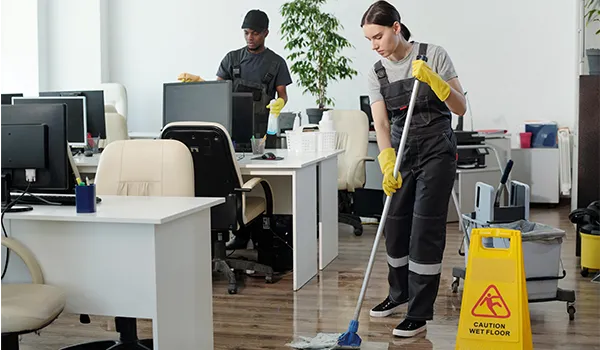
Office cleaning maintains clean workspaces by removing dust, waste, and germs from desks, floors, and shared areas, improving employee health and productivity.
What does office cleaning include and why do businesses need it?
Office cleaning typically covers daily or weekly cleaning of desks, meeting rooms, reception areas, breakrooms, restrooms, and office chair cleaning. The goal is to keep the workplace fresh, hygienic, and clutter-free.
The World Health Organization (WHO) notes that indoor workplaces accumulate bacteria on high-touch surfaces (keyboards, door handles, chairs), increasing staff illness. Clean, dust-free environments often result in better employee comfort and productivity.
How does office cleaning improve workplace hygiene and productivity?
A clean office reduces the spread of flu, viruses, and allergens. Companies that invest in routine cleaning have seen lower absentee rates, according to data from ISSA, one of the leading global cleaning associations.
Maintaining tidy workspaces also improves staff focus and helps businesses create better impressions for clients and visitors. Office cleaning is one of the most common commercial services because every business with a physical workplace requires it.
2. Medical and Healthcare Cleaning
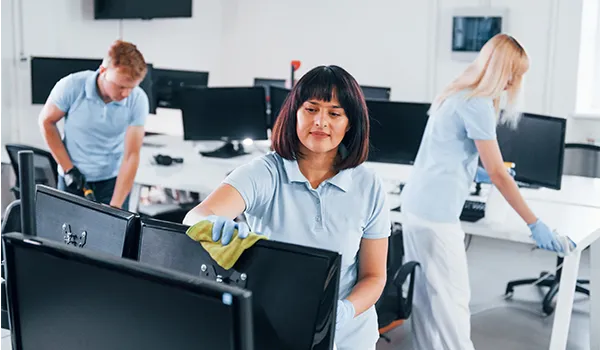
Medical cleaning involves strict protocols to remove harmful pathogens from hospitals, clinics, and laboratories. These high standards are essential because patient safety depends on controlling infection risks.
Why is medical cleaning more regulated than other types of cleaning?
Medical facilities face stronger cleaning regulations because they handle sensitive environments where germs spread quickly.
According to the Centers for Disease Control and Prevention (CDC), Healthcare-Associated Infections (HAIs) affect millions of patients each year, making proper cleaning essential.
Medical cleaning includes disinfecting exam rooms, sanitizing equipment surfaces, managing medical waste, and ensuring cross-contamination prevention.
The process must follow industry standards such as hospital-grade disinfectants, colour-coded tools, and documented cleaning routines. These measures protect patients, doctors, nurses, and visitors.
What makes medical cleaning different from standard commercial cleaning?
Healthcare cleaners use specialized chemicals, advanced equipment, and carefully trained staff.
They follow infection prevention guidelines that focus on eliminating bacteria, viruses, and biohazards. Every cleaning step must be consistent and verifiable.
Many clinics use daily disinfection of high-touch points because germs survive on surfaces for hours or even days. Proper cleaning reduces infection rates and supports overall patient care quality.
3. Window and Glass Cleaning
Window and Glass Cleaning ensures clear, streak-free glass inside and outside commercial buildings.
Why is regular glass cleaning important for businesses?
Glass surfaces quickly collect dust, fingerprints, and pollution particles. This reduces clarity and makes buildings look poorly maintained.
Research on workplace productivity shows that natural light helps improve mood, focus, and wellbeing.
Window cleaning enhance the overall appearance of commercial properties and help businesses create a welcoming atmosphere for customers and staff.
How do professionals clean windows safely and effectively?
Cleaners use squeegees, microfibre cloths, purified water systems, ladders, and high-reach poles.
Exterior windows of tall buildings may require rope access technicians or elevated platforms. Purified water prevents streaks and leaves a clearer finish. Regular schedules keep windows bright throughout different weather seasons.
4. Industrial and Manufacturing Cleaning
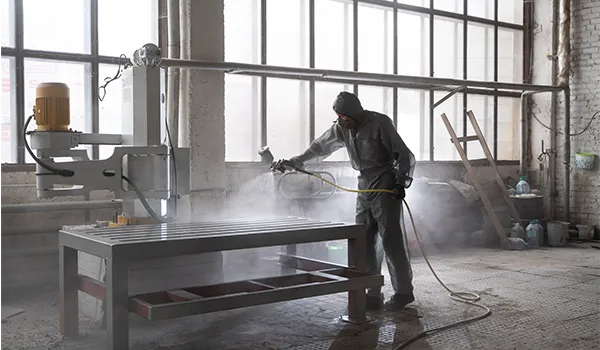
Industrial cleaning is designed for factories, production floors, and heavy-duty facilities where machinery, oils, debris, and industrial waste require specialized removal. These environments focus on safety, efficiency, and regulatory compliance.
What does industrial cleaning involve for factories and production plants?
Industrial cleaning includes cleaning grease, metal dust, chemical residues, and debris left from manufacturing processes. Heavy equipment and large floor areas require methods such as pressure washing, degreasing, machine cleaning, and high-filtration vacuum systems.
According to manufacturing safety guidelines, factories with regular cleaning experience fewer machine faults because equipment stays free from buildup that affects performance.
How does industrial cleaning support worker safety and compliance?
Industries must follow strict workplace safety rules. Clean production floors reduce slip hazards, fire risks, and contamination issues that may affect product quality.
Reports from the National Safety Council show that cleaner industrial environments have fewer accidents.
Regular cleaning also helps companies comply with industry audits and hygiene certifications required in food processing, automotive, and electronics manufacturing.
5. Retail and Shopping Centre Cleaning
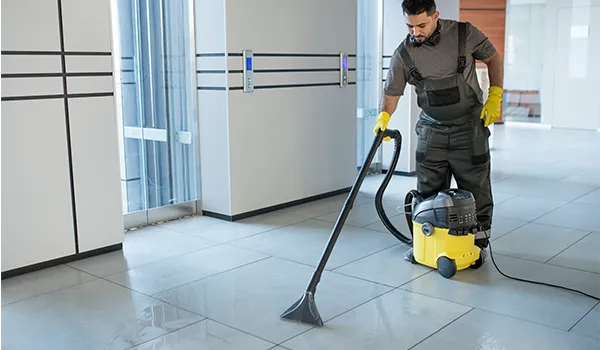
Retail cleaning focuses on maintaining clean, attractive spaces that improve customer satisfaction and store presentation. Retail areas must look clean throughout the day to support sales and customer traffic.
Why do retail stores require specialized cleaning routines?
Retail spaces handle high foot traffic, which brings dust, stains, and fast-spreading germs. Shopping centres often clean floors multiple times a day to keep surfaces safe and visually appealing.
Consumer studies indicate over 90% of shoppers prefer clean, organized stores. Dirty floors or dusty shelves can reduce customer trust and affect sales.
How does cleaning improve the retail and shopping experience?
Retail cleaning includes restroom care, floor polishing, window cleaning, litter removal, and cleaning of food courts or common areas.
A clean environment encourages longer shopping times and supports brand perception. Mall owners also rely on daily cleaning to manage waste volumes and maintain sanitation in high-use spaces.
6. School and University Cleaning
School cleaning focuses on maintaining healthy classrooms, hallways, cafeterias, and labs where students and teachers spend long hours. Education facilities require consistent cleaning to reduce illness spread among children.
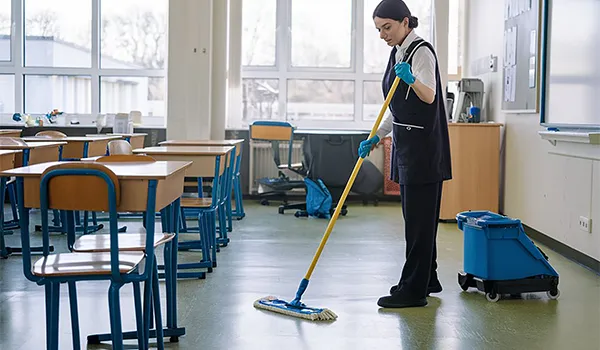
What makes cleaning in schools and universities important for health and learning?
Schools carry high levels of germs because large groups of students share classrooms, desks, and common spaces. Research from the American Academy of Pediatrics shows that frequent cleaning reduces the spread of colds, flu, and viruses among students. Clean learning environments also improve focus because students learn better in organized, safe spaces.
How do cleaning teams maintain hygiene in educational facilities?
School cleaning covers daily surface cleaning, restroom maintenance, waste removal, and floor care.
Many schools schedule deeper cleaning during weekends or holidays to manage germs on desks, chairs, railings, and computer labs. Universities often extend cleaning to dormitories, libraries, and laboratories.
Proper cleaning supports student wellbeing and keeps education spaces functioning smoothly.
7. Gym and Fitness Centre Cleaning
Gym cleaning ensures that workout areas, machines, mats, and locker rooms stay free from sweat, bacteria, and odors. These locations require strict hygiene because many people share equipment daily.
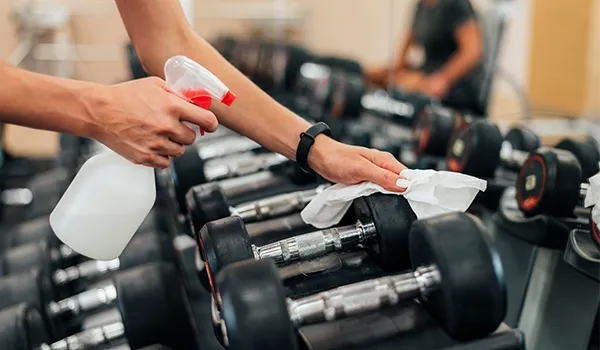
Why do gyms require more frequent cleaning than other facilities?
Gyms accumulate bacteria faster than most commercial spaces. Research from various fitness hygiene studies shows that free weights, treadmills, and mats contain high levels of germs because of constant skin contact and sweat. Proper cleaning helps reduce skin infections, odor buildup, and cross-contamination.
How does professional cleaning improve gym safety and experience?
Cleaning teams disinfect machines, sanitize locker rooms, mop floors, clean mirrors, and remove odors.
They also maintain shower areas and wipe down high-touch points several times a day.
Clean gyms improve member satisfaction and increase retention because people prefer fitness spaces that feel fresh and hygienic.
8. Hospitality and Hotel Cleaning
Hospitality cleaning focuses on maintaining clean guest rooms, lobbies, dining areas, and back-of-house spaces. Hotels depend on high cleaning standards because cleanliness directly influences guest reviews, bookings, and overall satisfaction.
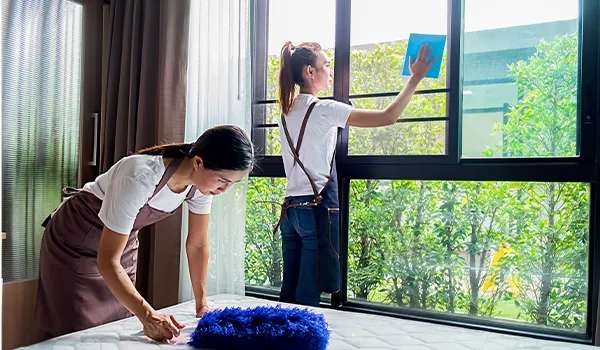
Why is hotel cleaning important for guest comfort and business reputation?
Hotel guests judge cleanliness within seconds of entering a room. Industry reports show that more than 80 percent of negative hotel reviews mention cleanliness problems.
This affects occupancy rates and long-term brand reputation. Professional cleaning removes dust, stains, odors, and bacteria from high-use areas. It also ensures fresh linens, sanitized bathrooms, and well-maintained common zones.
How do cleaning teams support hotel operations daily?
Housekeeping teams follow structured routines that include bed making, vacuuming, bathroom sanitation, waste removal, and restocking supplies.
Dining spaces receive food-safe cleaning to avoid contamination. Lobbies and corridors require frequent cleaning to maintain a polished appearance. A clean hotel strengthens customer trust and improves overall guest experience.
9. Strata and Apartment Complex Cleaning
Strata cleaning covers shared areas in residential buildings, including hallways, lifts, foyers, parking areas, and outdoor spaces. These buildings require routine cleaning to maintain hygiene and support resident comfort.
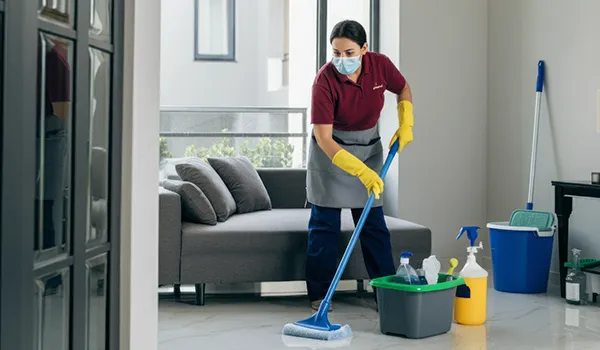
Why do apartment complexes depend on professional cleaning teams?
Shared spaces accumulate dust, footprints, litter, and bacteria from constant resident movement.
Research on residential facilities shows that clean common areas reduce pest risks and improve overall living standards.
Regular cleaning also increases property value and strengthens the appeal of the building for tenants.
How is strata cleaning maintained across large residential properties?
Strata cleaners vacuum hallways, mop floors, clean lifts, wash windows, maintain bins, and manage outdoor pathways.
Larger properties may require pressure washing, garden maintenance, or deep cleaning services.
A consistent routine keeps the building safe, attractive, and well-maintained for residents and visitors.
10. Restaurant and Commercial Kitchen Cleaning
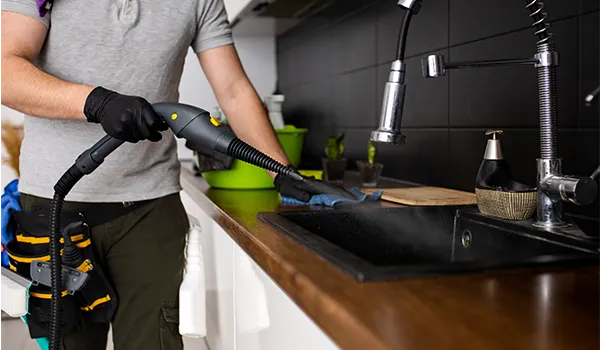
Restaurant cleaning focuses on removing grease, food residue, and bacteria from kitchens, dining rooms, and storage areas. These spaces require strict hygiene to comply with food safety laws.
Why is restaurant and kitchen cleaning essential for food safety?
Restaurants handle raw meat, vegetables, dairy, and oils that quickly attract germs. Reports from the Food Safety Authority show that poor cleaning increases the risk of foodborne illness. Kitchens require frequent surface disinfection, grease removal, and regular equipment cleaning to stay compliant.
How does cleaning improve restaurant operations and customer safety?
Restaurant cleaning covers floors, counters, cooktops, ovens, refrigerators, exhaust hoods, and dining spaces. Deep cleaning reduces cross-contamination and keeps food preparation areas safe.
Clean dining rooms improve customer comfort and help restaurants maintain strong hygiene ratings.
11. Aged Care and Disability Support Cleaning
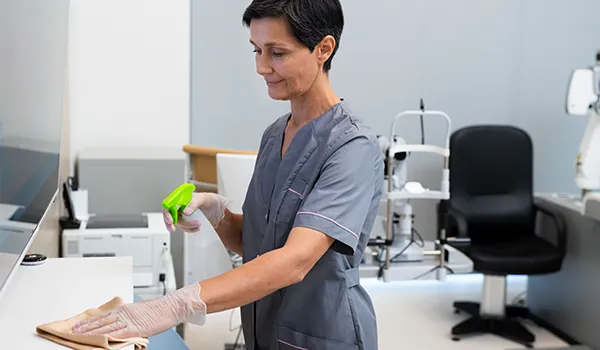
Aged care cleaning focuses on creating hygienic, safe, and comfortable living spaces for elderly residents and individuals with disabilities.
These environments need gentle cleaning techniques, frequent disinfection, and consistent routines because residents are more vulnerable to health risks.
Why do aged care facilities need specialized cleaning standards?
Older adults have weaker immune systems, which makes them more likely to develop infections from germs on surfaces.
Studies in residential healthcare facilities show that structured cleaning routines reduce the spread of respiratory illnesses, stomach viruses, and skin infections.
Aged care homes also have shared dining rooms, therapy areas, and mobility equipment that require regular sanitising. Clean surfaces help prevent cross-contamination, and this improves the overall wellbeing of residents.
Aged care cleaning is also regulated by health authorities, so facilities must follow strict hygiene guidelines to maintain compliance.
How do cleaning teams support daily living in aged care facilities?
Cleaning teams maintain resident rooms, bathrooms, hallways, activity areas, and kitchens.
They disinfect high-touch points like handrails, tables, and mobility handles which are used throughout the day.
Many residents have sensitivities, so cleaners use mild, low-fragrance products to reduce irritation. Laundry care, soft furnishing cleaning, and odour control are also important because aged care homes need a fresh and comfortable environment.
These routines protect residents and support staff who rely on clean spaces to deliver personal care safely.
12. Warehouse and Logistics Facility Cleaning
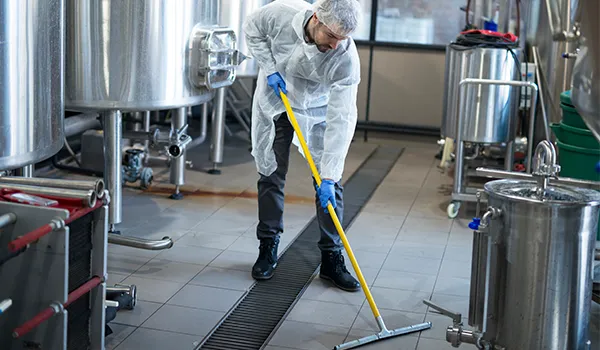
Warehouse cleaning focuses on removing dust, debris, forklift residue, and packaging waste from storage and distribution centres. Clean warehouses help protect stored goods and support efficient movement of workers and equipment.
Why is cleaning important in storage and logistics environments?
Warehouses operate with constant vehicle movement, pallet handling, and stock rotation.
All these activities create dust, cardboard particles, and loose debris that accumulate quickly. Dust buildup can damage sensitive goods and affect labelling machines or sensors.
Workplace safety studies show that dusty environments increase the risk of slips, collisions, and respiratory issues.
Regular cleaning helps reduce these risks and supports compliance with workplace safety regulations. Clean warehouses also operate more efficiently because staff can locate items faster and move safely across clear pathways.
How do cleaning teams manage large-scale warehouse spaces?
Cleaning teams use industrial sweepers, high-powered vacuums, and large mops to cover wide floor areas. They remove packaging waste, clean staff break rooms, sanitize restrooms, and maintain loading docks where dirt enters most frequently.
Some warehouses require deep cleaning of racks, conveyor belts, and ventilation ducts to prevent dust from circulating. Regular cleaning helps maintain product quality, improves air quality, and keeps the warehouse organised throughout busy shifts.
13. Event and Venue Cleanup
Event cleaning manages pre-event preparation, mid-event maintenance, and post-event restoration for concerts, exhibitions, weddings, fairs, and conferences. These spaces need rapid cleaning because large crowds generate heavy waste.
Why is venue cleanup important before and after events?
Events increase foot traffic, food waste, spills, and restroom use, creating hygiene issues if not managed properly. Venue owners rely on cleaning teams to ensure the venue always looks presentable and safe for visitors.
Research on public event spaces shows that cleanliness affects crowd satisfaction and reduces safety hazards such as slips or blocked exits. After events, fast cleaning helps venues prepare for the next booking without delays, which is essential for revenue.
How do cleaning teams handle different stages of event cleanup?
Before an event, cleaners vacuum floors, prepare restrooms, check seating areas, and clean entrances. During the event, they empty bins, manage spills, restock supplies, and keep walkways clear for guests. After the event, they remove litter, clean carpets, collect leftover materials, disinfect restrooms, and restore the venue to its original condition. Post-event cleaning is often time-sensitive because venues may host multiple events in a week.
14. Construction and Post Build Cleaning
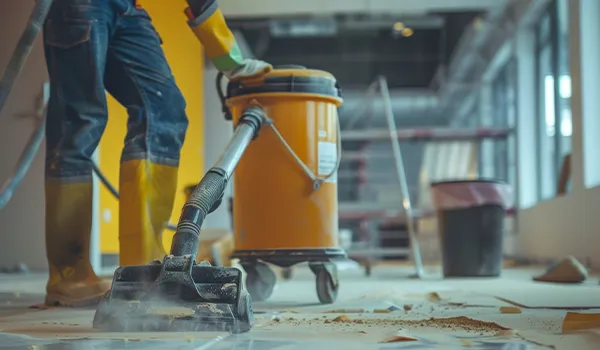
Post-construction cleaning removes construction dust, debris, adhesives, and residue from newly built or renovated properties. This cleaning prepares the building for occupation by ensuring that the environment is clean, safe, and visually ready.
Why do construction sites require detailed cleaning before handover?
Construction work leaves behind plaster dust, paint droplets, silicon smudges, and sawdust that settle on every surface.
These particles affect air quality and make the property unsafe for immediate use. Industry reports show that new buildings require detailed cleaning to meet safety and inspection requirements.
Dust also settles inside vents, light fittings, and corners, which requires specialized cleaning methods. Proper cleaning ensures that builders can hand over a polished, ready-to-use space to clients.
How is post-construction cleaning conducted in new builds?
Cleaning teams start by removing loose debris and vacuuming fine dust from floors, walls, and fixtures.
They wash windows, clean frames, remove stickers from new appliances, and wipe cabinets and countertops.
Some projects require scrubbing paint marks, polishing hard floors, and cleaning air vents. High-powered vacuums with HEPA filters are often used to capture fine dust remaining after construction. This process transforms a dusty site into a clean and presentable property.
15. Carpet, Upholstery, and Floor Care
Carpet cleaning and floor care focuses on cleaning, stain removal, deodorising, and maintaining surface quality across carpets, tiles, vinyl, hardwood, and upholstered furniture. These surfaces require periodic treatment to stay durable and hygienic.
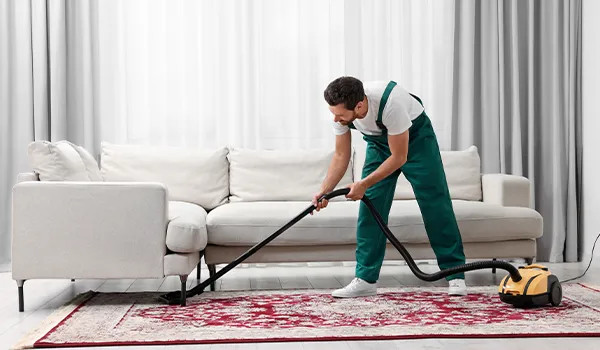
Why is professional floor and fabric care important for businesses?
Carpets trap dirt, allergens, and bacteria that regular vacuuming cannot fully remove. Upholstered chairs absorb sweat, dust, and odor-causing particles.
Studies on indoor hygiene show that professional carpet cleaning reduces allergen levels and improves air quality.
Unmaintained floors wear faster, increasing replacement costs. Regular maintenance keeps commercial interiors clean, fresh, and visually appealing for employees and customers.
How do professionals clean carpets and different floor types?
Professionals use methods like steam cleaning, bonnet cleaning, stain extraction, and deodorising treatments. Hard floors may require scrubbing, buffing, or sealing to restore shine and prevent future damage.
Upholstered furniture is treated with gentle fabric-safe solutions. These techniques extend surface life and maintain a polished environment in offices, hotels, retail stores, and public facilities.
16. High Dusting and Detailed Deep Cleaning
High dusting removes dust from ceiling vents, beams, pipes, lights, and elevated surfaces. Deep cleaning targets areas that are not covered by routine daily cleaning but require periodic attention to maintain hygiene.
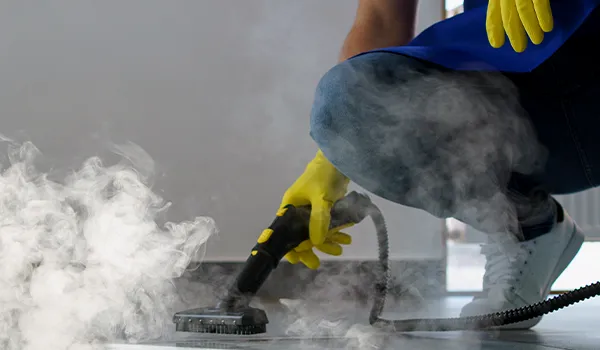
Why do commercial properties require high dusting and deep cleaning?
Dust builds up in high areas where normal cleaning tools cannot reach. This dust circulates through air systems and reduces indoor air quality.
Research from indoor environment studies shows that deep cleaning reduces allergens and improves ventilation efficiency.
Hidden dirt in corners, grout lines, and behind equipment also needs occasional treatment to maintain a clean and healthy environment. Deep cleaning is essential for businesses that want to meet quality and hygiene standards.
How do cleaners perform detailed cleaning in large facilities?
Teams use extension poles, lifts, microfiber tools, industrial vacuums, and scrubbing equipment to reach elevated and concealed areas.
Deep cleaning may include sanitising walls, detailed restroom cleaning, cleaning air vents, polishing fixtures, and removing buildup in high-traffic spaces.
Many businesses schedule deep cleaning monthly, quarterly, or at the end of seasonal periods.
17. Sanitisation and Disinfection Services
Sanitisation reduces germs, while disinfection kills bacteria and viruses on high-touch surfaces. These services protect workplaces from sickness and help maintain healthier indoor environments.
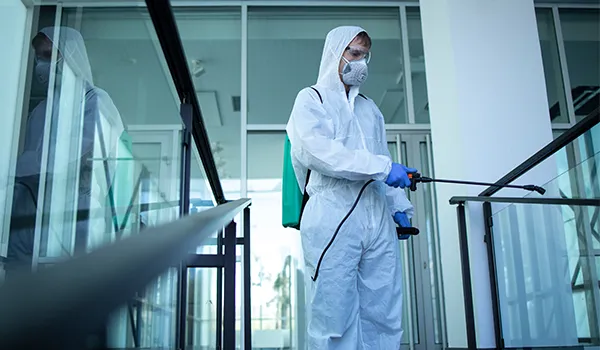
Why are sanitisation and disinfection important for health and safety?
Workplaces contain multiple shared surfaces that accumulate germs from daily contact. Research shows that viruses can survive on surfaces like door handles, desks, and switches for several hours.
Regular disinfection helps reduce the spread of illnesses such as flu and viral infections. After global health concerns, many industries now require higher levels of germ control to protect staff and customers.
How do professionals perform sanitisation and disinfection?
Professionals use hospital-grade disinfectants, electrostatic sprayers, and systematic wiping techniques. Electrostatic spraying works by applying a positive charge to the disinfectant particles, allowing them to wrap around and fully coat surfaces evenly, making it useful for large facilities and achieving 360-degree disinfection on complex shapes.
18. Green and Eco-Friendly Cleaning
Eco-friendly cleaning uses low-chemical methods, biodegradable products, and sustainable equipment to maintain cleanliness while reducing environmental impact.
Many organisations prefer this approach because it improves indoor air quality and aligns with green policies.
Why are companies shifting toward green and sustainable cleaning solutions?
Businesses want cleaning methods that protect both people and the environment. Environmental studies show that harsh chemicals affect indoor air quality and may contribute to respiratory discomfort.
Eco-friendly cleaning reduces chemical exposure and helps companies meet sustainability goals. Many organizations also prefer eco-cleaning to support their corporate social responsibility efforts.
How do eco-friendly cleaning teams maintain high hygiene standards?
Teams use plant-based cleaning products, microfiber cloths, water-efficient tools, and safe disinfectants.
These solutions still deliver strong cleaning results because many modern green products contain effective natural cleaning agents.
Waste reduction, reusable materials, and energy-efficient equipment also support sustainable cleaning practices. This approach creates cleaner, healthier indoor spaces without relying on harsh chemicals.
19. Day Porter and Ongoing Facility Maintenance
Day porter services provide real-time cleaning and maintenance throughout business hours. Porters handle continuous upkeep so that the facility stays presentable, safe, and functional all day.
Why do businesses use day porters for daily facility support?
Busy workplaces experience spills, foot traffic, bin overflow, and restroom needs that cannot wait until the end of the day.
Day porters provide immediate support and reduce safety hazards. Studies on customer-facing facilities show that real-time cleaning improves visitor satisfaction and reduces complaints. Porters help businesses maintain cleanliness even during peak activity.
How do porters maintain cleanliness while the business operates?
Porters empty bins, clean spills, maintain lobbies, wipe surfaces, restock restrooms, and assist with small maintenance tasks.
They help front desk staff, support event setups, and monitor high-traffic areas. Their presence ensures the building stays clean and organised from morning to closing time. This improves the overall experience for employees, clients, and visitors.
How to Choose the Right Type of Commercial Cleaning for Your Business
Choosing the right commercial cleaning service depends on industry needs, building size, daily foot traffic, and the level of hygiene your space requires. A good match ensures you get the correct cleaning method, frequency, and safety standards for your facility.
What factors should businesses consider when selecting a commercial cleaning service?
The first thing businesses need to understand is the type of environment they operate in.
Every industry has different cleaning risks. Offices need routine surface cleaning. Hospitals require clinical level sanitation.
Restaurants rely on strict food-safe cleaning. Warehouses need large-scale dust control. Gyms require frequent disinfection because many people share the same equipment.
Selecting the right service becomes easier when you match the cleaning approach with the nature of your facility. Industry research shows that cleaning services aligned with risk level improve hygiene, reduce illness, and help maintain a safe workplace.
Businesses should also consider how often cleaning is required. High-traffic areas like malls, gyms, and school restrooms need multiple cleaning rounds per day.
Small offices may only need cleaning a few times a week. The cleaning schedule should reflect how quickly dirt, germs, or waste build up in your space.
Conclusion
Commercial cleaning plays a vital role in maintaining safe, healthy, and professionally presented workplaces.
Each type of service offers unique benefits, from healthcare sanitation and industrial cleaning to eco-friendly methods and ongoing facility maintenance. Businesses that understand their needs can choose the right service and improve hygiene, compliance, and customer experience.
A well-maintained workplace supports productivity, protects the health of employees and visitors, and strengthens the overall brand image.
As commercial environments evolve, cleaning services remain a critical operational partner for modern businesses.